
How long a water heater lasts in North Dakota
How long does a water heater last in North Dakota?
Your water heater has been running for years and you're trying to figure out if it's getting close to the end, or if that strange noise or lukewarm water means something is already going wrong. Knowing the typical lifespan helps you decide whether to keep an eye on it or start planning for a replacement before it fails on you.
Most water heaters last 8 to 12 years
A tank water heater typically runs 8 to 12 years before it needs replacing. The anode rod inside wears down over time, and once it's gone, the tank itself starts corroding from the inside. Gas is the common fuel here, and gas water heaters tend to sit at the shorter end of that range since the burner and flue add more wear than an electric unit sees. Cold winters mean the incoming water is colder for much of the year, so the burner works harder to bring it up to temperature, which adds up over the unit's life. If your water heater came with the house or you're not sure of its age, check the manufacture date on the label near the top of the tank. Once it passes 10 years, it's worth watching for rust-colored water, a leak at the base, or a tank that struggles to keep up.

Sediment settles in the tank and the burner works harder
The anode rod wears down and stops protecting the tank
Hard water scale builds on the heating surfaces inside
The tank itself starts to rust from the inside out
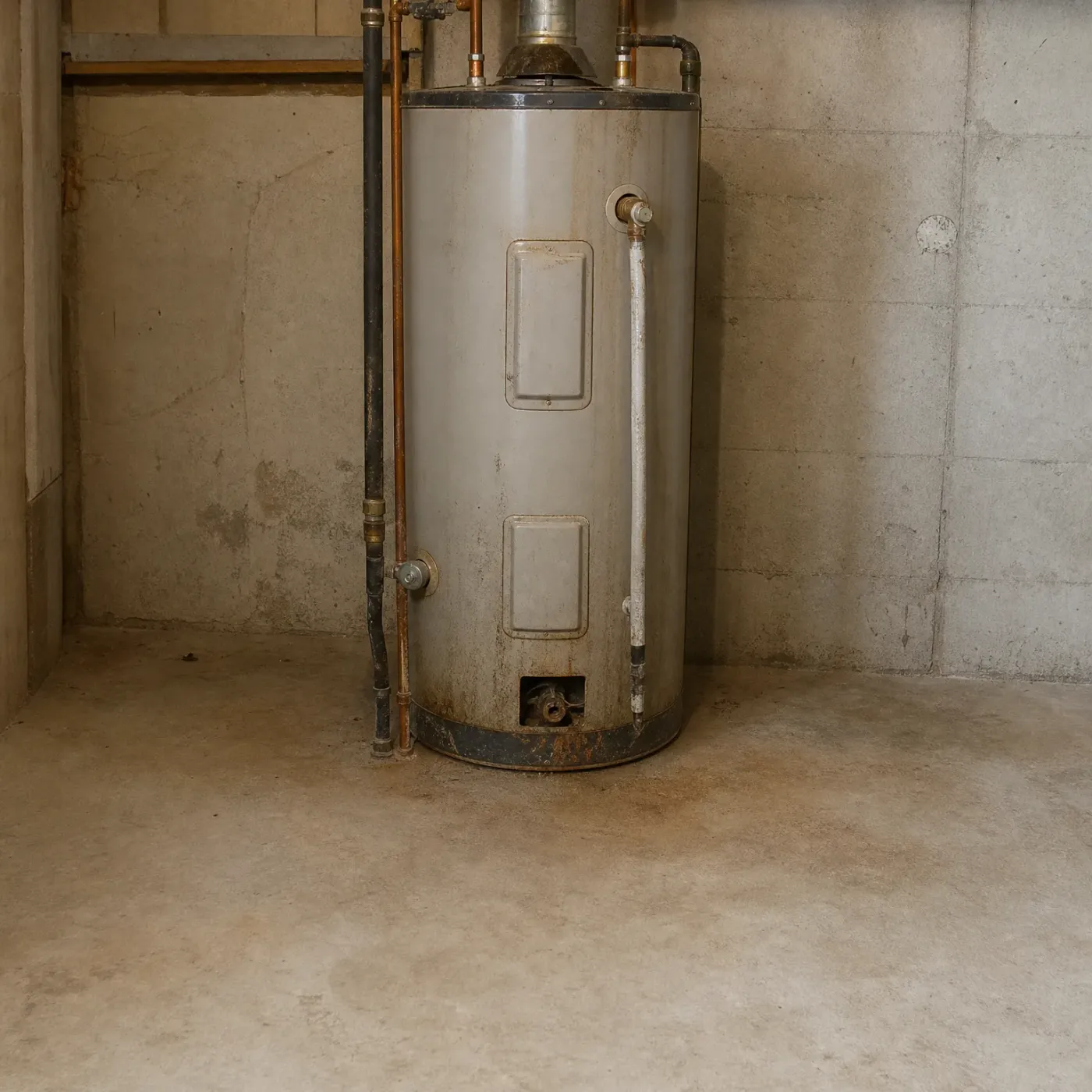
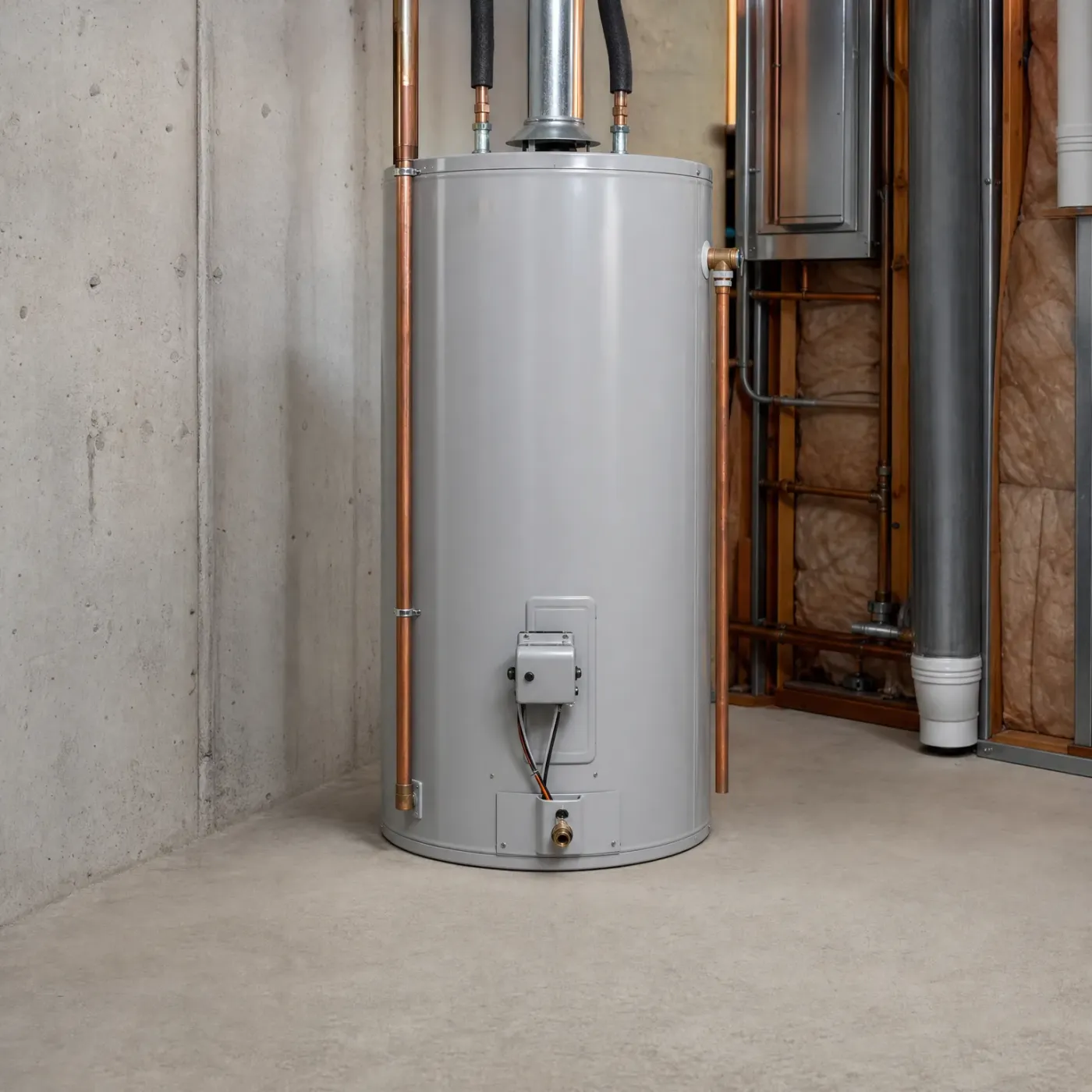
A gas water heater that's past its years shows itself in small ways before it fails outright. The water takes longer to get hot, or it doesn't hold heat the way it used to, and you notice it most when someone's running the dishwasher and someone else wants a shower. Check around the base of the tank for any dampness or rust streaks, since that's usually the first sign the tank itself is giving out, not just a part inside it. A tank that fails outright usually does it by leaking, and depending on where yours sits, that water has somewhere to go that matters, whether that's a finished basement or a utility closet near bedrooms. Power here is cheap, so the cost of running an old unit less efficiently may not show up on your bill the way it would elsewhere, but the risk of waking up to a flooded floor doesn't care what your electric rate is.


A local pro for your water heater installation
A water heater that's giving out doesn't wait for a convenient week. It usually happens on a cold morning when nobody wants to deal with it. Once you've noticed the signs, the only real decision left is whether to keep patching an old tank through another North Dakota winter or get ahead of it now while you still have hot water to think clearly with. Gas water heaters here work hard most of the year, and when one finally fails, cold showers are the least of it if pipes are involved. You don't have to figure out which contractor to call or wait on hold to get a quote. Send the request and let someone qualified take it from here. That's one less thing on your list this week, and one less thing that can go wrong on its own schedule instead of yours.




Gas tanks run on a cycle
A gas water heater fires the burner under the tank every time hot water runs out, and that burner is also what shortens the tank's life. Heat rises along the inside wall with every cycle, and that's where sediment bakes on hardest. A tank that cycles more, because a household runs more hot water, builds that layer faster than one that barely gets used. You can't see it happening. You find out when the burner runs longer to do the same job, or when you hear a low rumble or popping from the bottom of the tank while it's heating.
Why gas tanks still fail by the tank
The burner and the thermocouple are the parts that usually get replaced along the way, and they're not what decides when a water heater is done. The tank is a sealed steel shell with a glass lining, and once that lining has a gap, the steel underneath starts to rust and there's no fixing that. A new igniter or gas valve can carry a unit through another few years of use. A rusted tank can't be patched. That's the difference between a repair and a water heater that needs to be replaced, and it's worth knowing which one you're looking at before you spend money on either.
41.3% of homes statewide heat with gas
Most homes around you run gas water heaters, not electric ones, since gas is how most people here heat. A gas tank fires the burner every time someone runs hot water, and that cycling is what wears out the tank from the inside. Worth knowing which one you have before you guess at its age.
ACS 2020-2024 5-year B25040

So where does that leave your water heater
A gas water heater in North Dakota lasts somewhere around ten to twelve years, less if the sediment never gets flushed out, more if it has been looked after. Past that mark, every cold snap is a test it might not pass. You know the age of your tank, or you can find it, and that number combined with what you've noticed lately tells you most of what you need to know about where it stands.
If it's getting close, or already acting up, you don't have to figure out the rest on your own. Answer a few questions about your situation and a licensed plumber who installs water heaters in your area will reach out to you directly. No more calling around trying to find someone who's free, no more guessing whether a quote is fair. That part becomes someone else's job the moment you send it in.

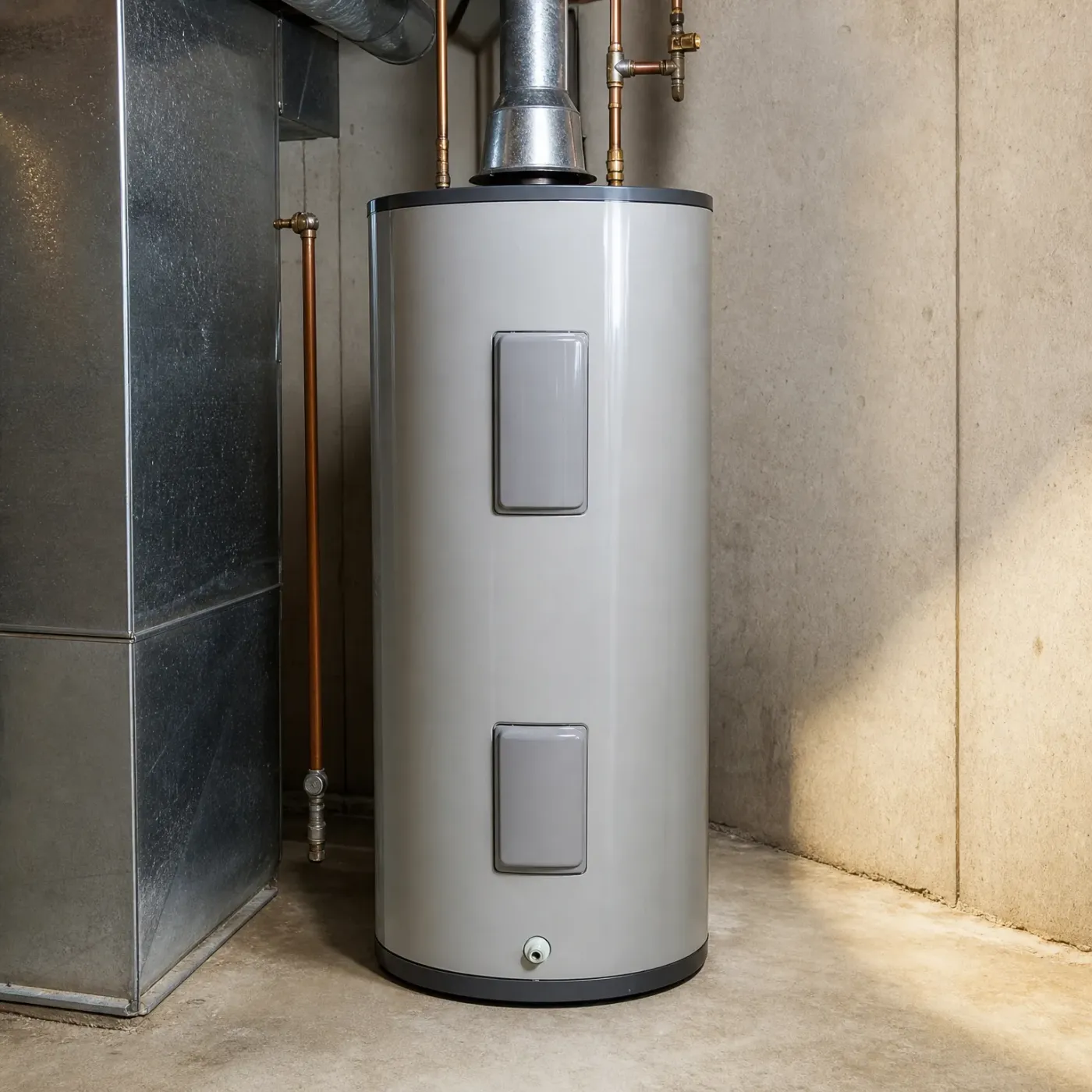
Get the right pro for your water heater
After you send the request, you're done searching.
You're not committing to anything by asking.