What flushing actually involves
- Sediment settles fastest in homes with well water or softer city water that still carries minerals.
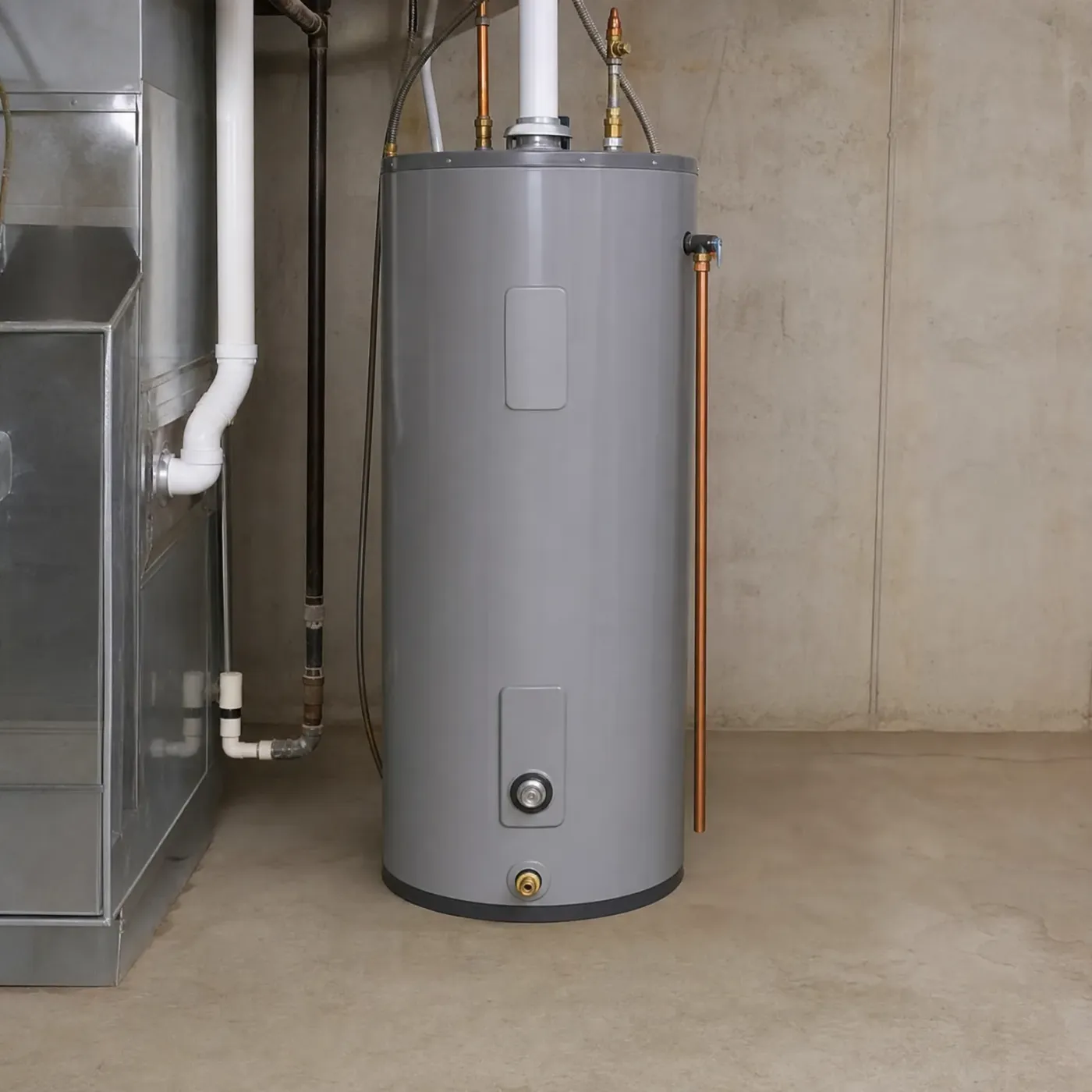
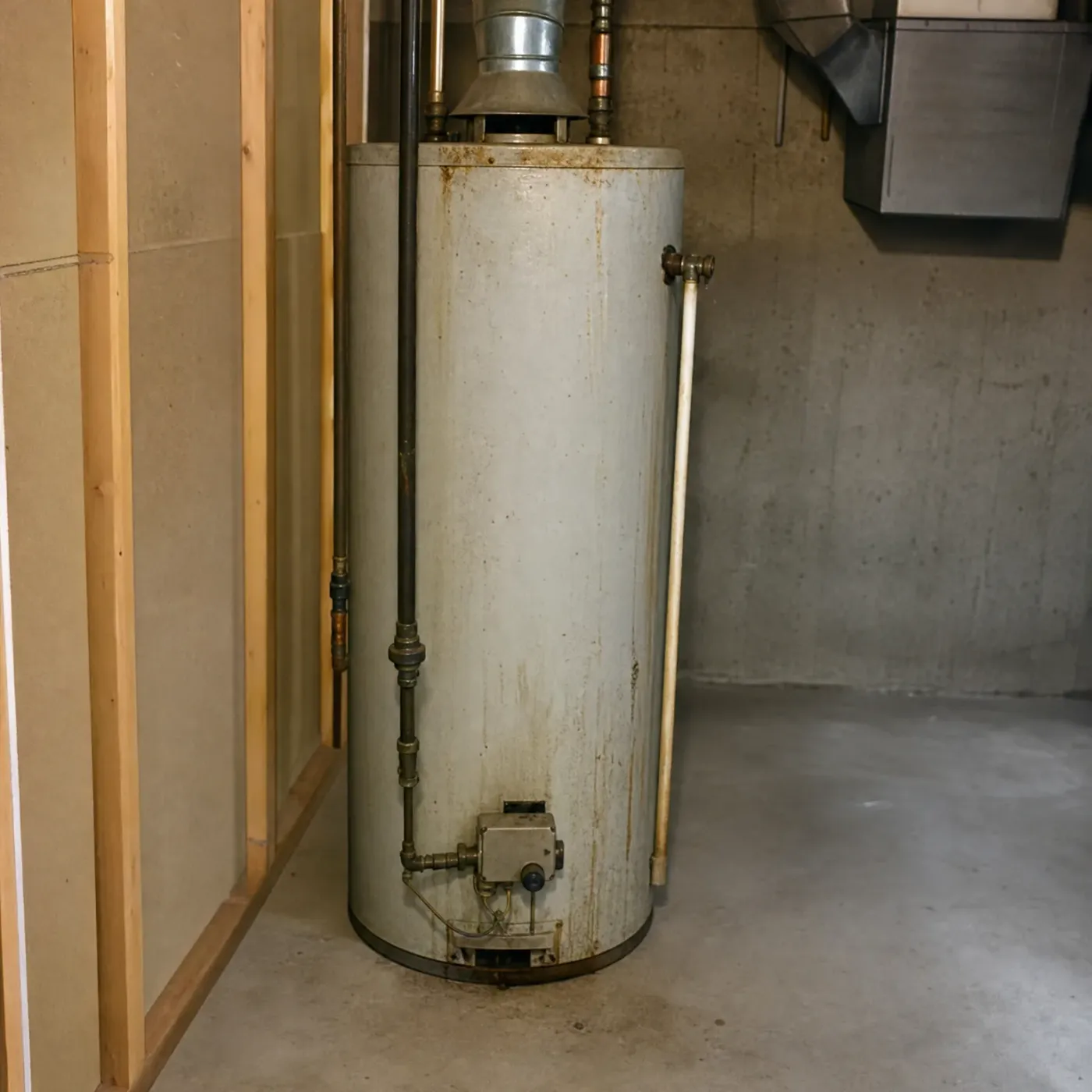
- Gas water heaters flush faster than electric because the burner sits under the tank, not inside a lower element.
- An anode rod works alongside flushing, and a rod eaten down to bare wire means flushing alone won't stop corrosion.
- Shutting off the cold supply valve before you drain keeps the tank from refilling halfway through the flush.
- A tank that's never been flushed often needs a slower first drain so hardened sediment doesn't clog the valve.
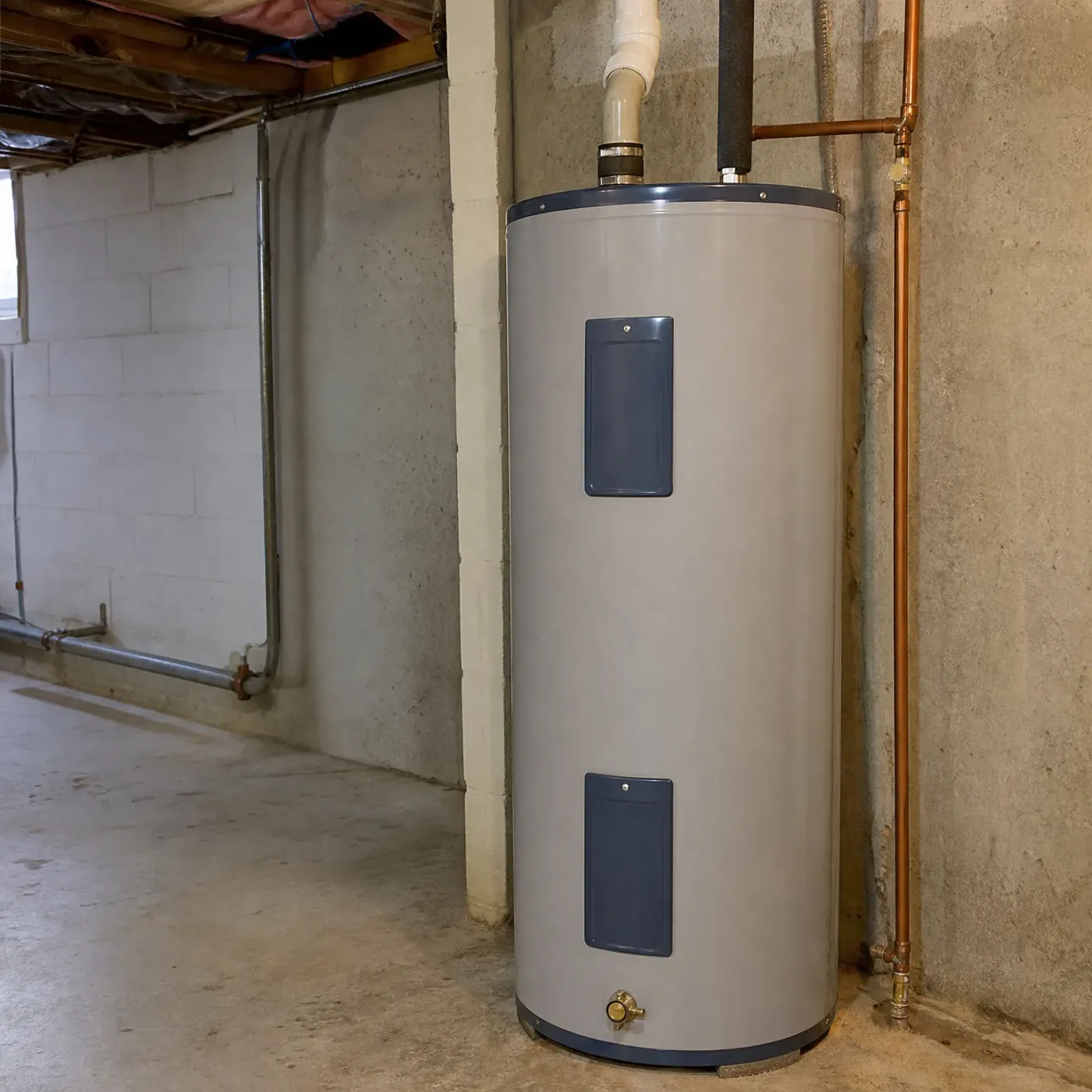
- Electric water heaters need the power cut first, since running the elements dry during a flush can burn them out.
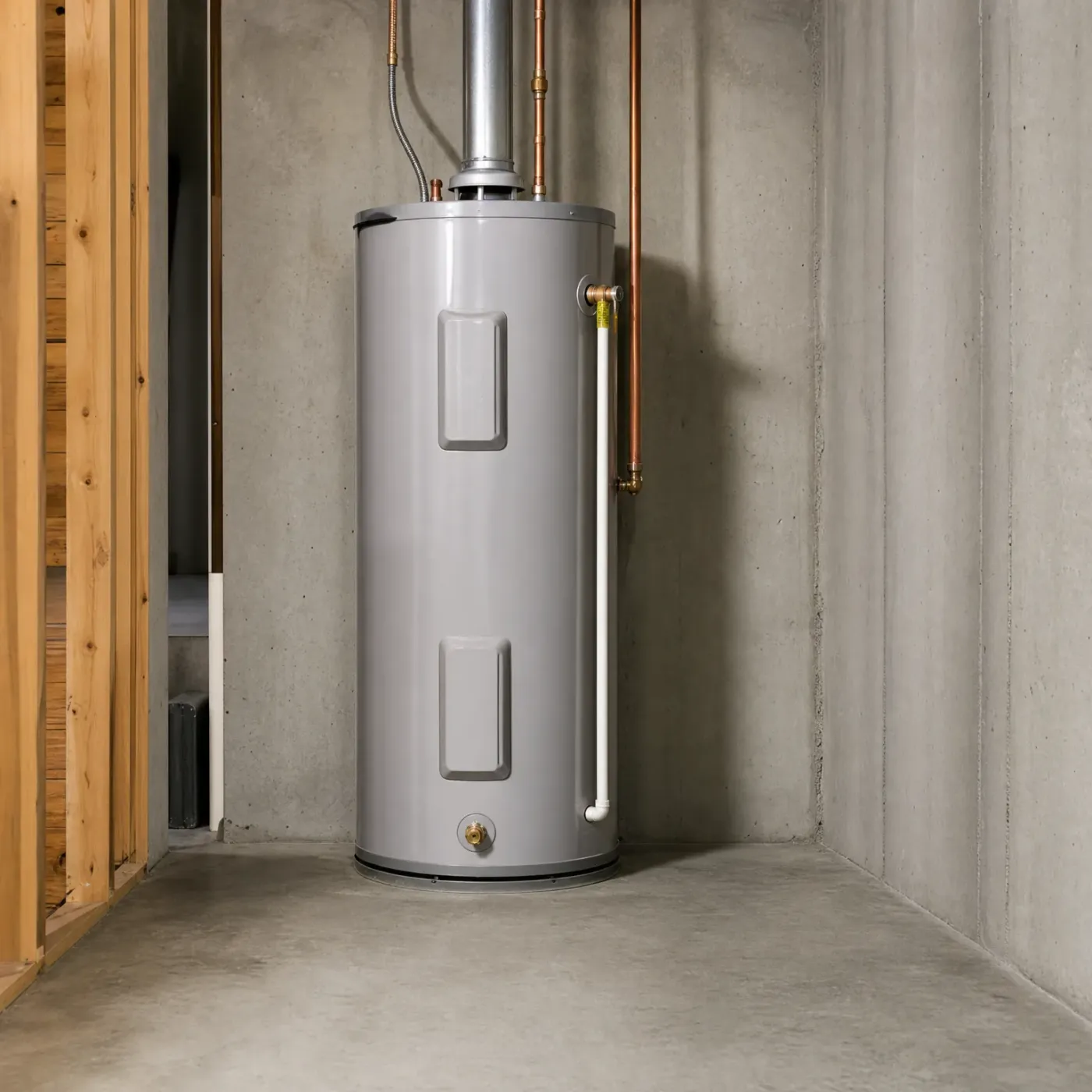
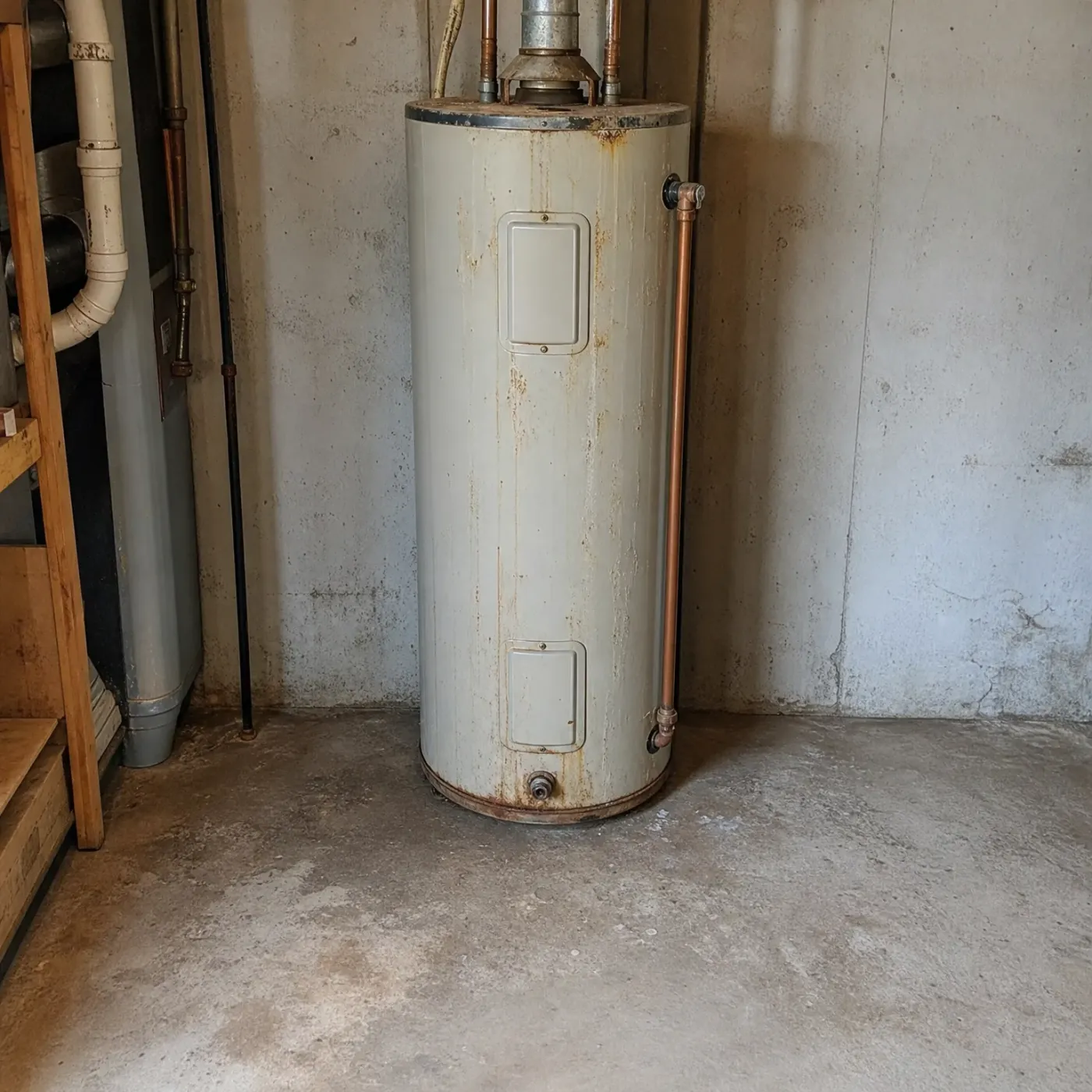
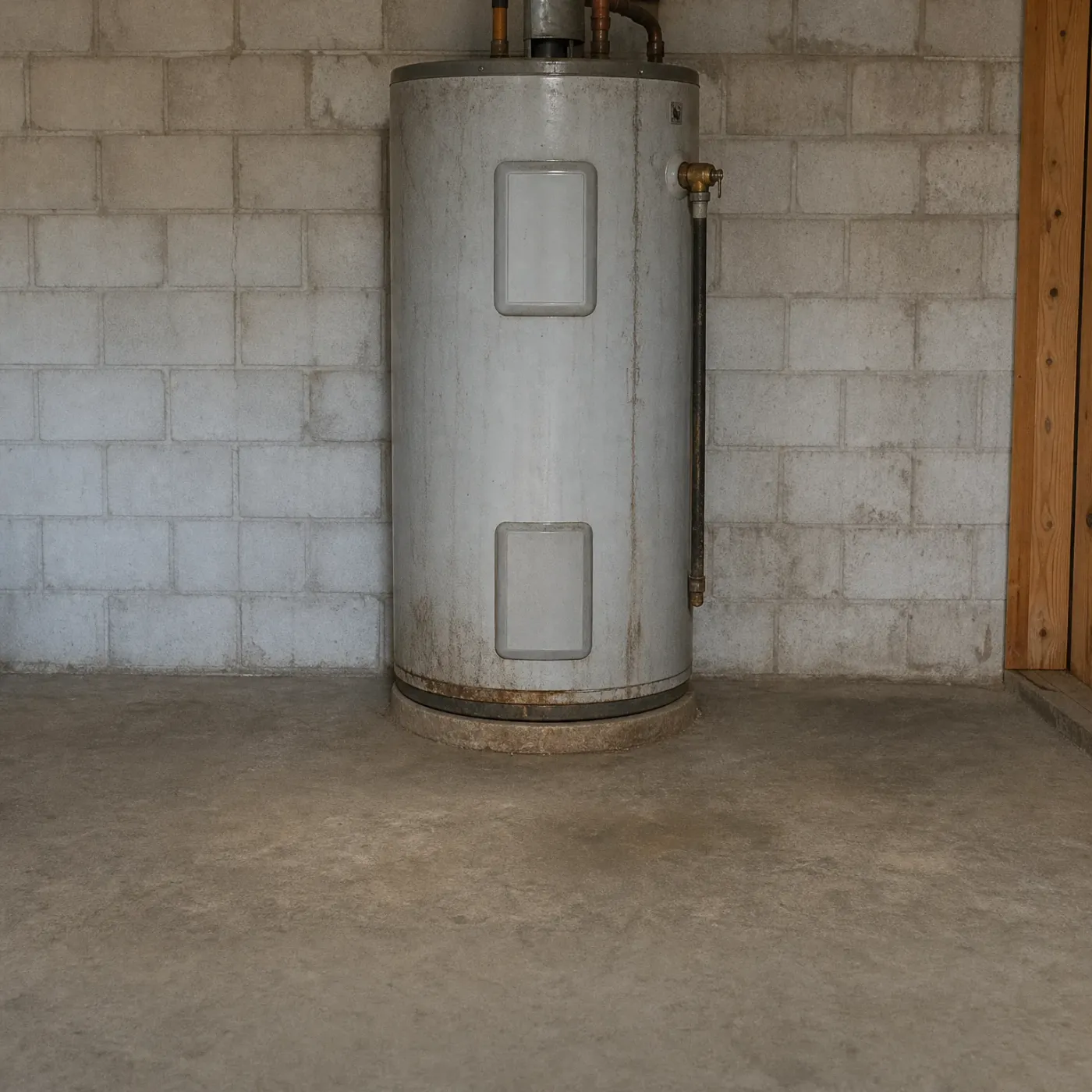
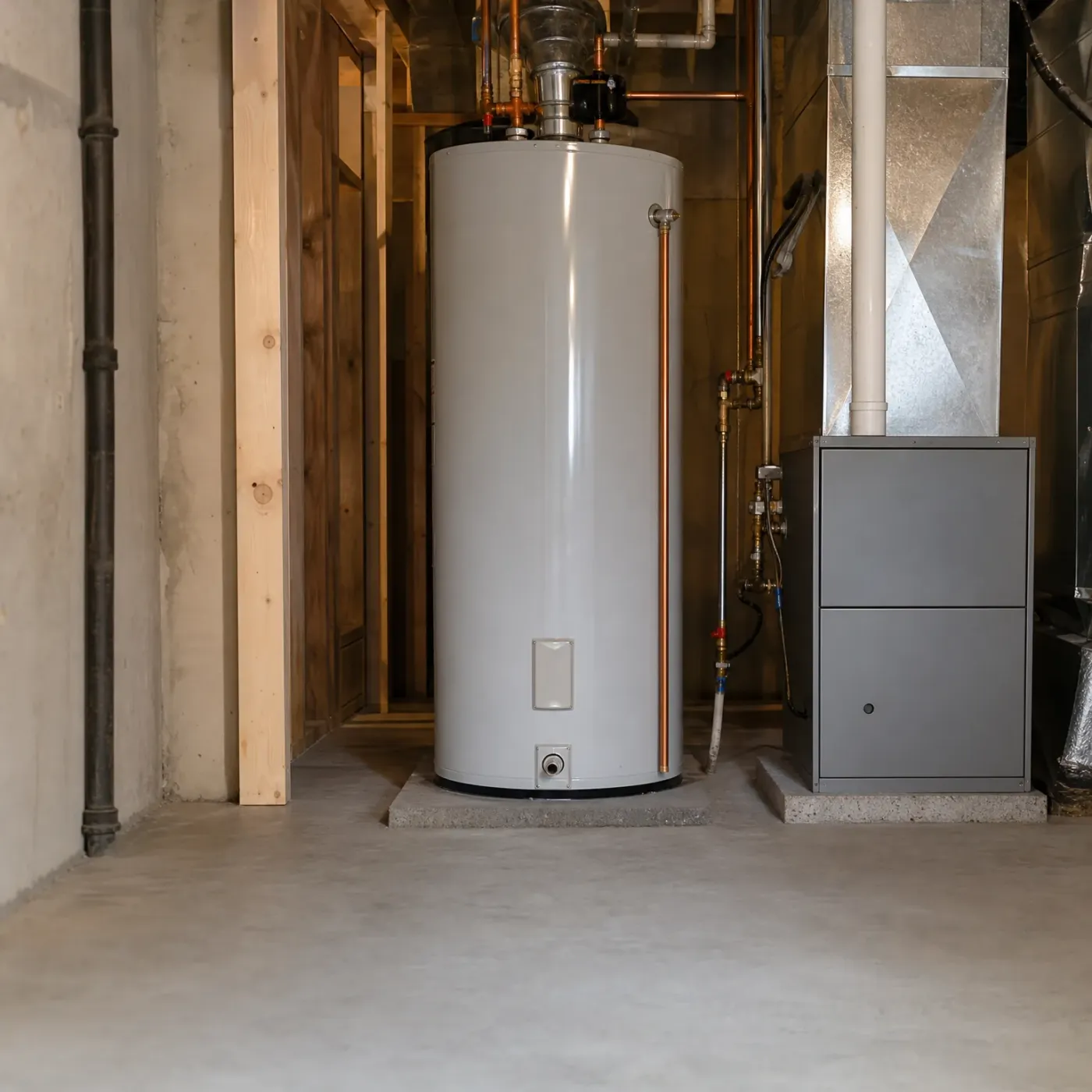
What's in your water decides how fast sediment builds back up. Well water and some city supplies in North Dakota carry enough minerals that a tank can need attention sooner than the usual yearly schedule. Gas and electric tanks don't flush the same way. On a gas model, the burner sits underneath the tank, so there's nothing blocking the drain valve and the water runs out fast. An electric model has heating elements mounted low inside the tank itself, and the power needs to be cut before you touch the valve, since an element left running with no water around it will burn out in minutes. Either way, the cold supply valve at the top gets shut off first. Skip that step and the tank refills while you're trying to drain it, and you never get ahead of the sediment sitting on the bottom. If the tank has gone years without a flush, that sediment hardens, and draining it fast can pack it right into the valve and clog it. A slower first drain gets it out in pieces instead. None of this replaces the anode rod. The rod corrodes on purpose, pulling the corrosion away from the tank's steel walls, and once it's worn down to the wire underneath, it's stopped doing that job. A tank can be flushed on schedule and still be rusting from the inside if that rod never gets checked.