A tank doing its job
This is what a working tank looks like: panels secure, copper lines tight, flue drawing straight up. It sits there and holds its water hot, ready the moment you open a tap. No surprises, nothing to diagnose.
 Get a water heater pro
A local pro who knows water heaters gets your details and gets in touch.
Cold groundwater coming into the house all winter is the real test for a water heater here, tank or tankless. Most homes in North Dakota run on gas, and gas is what makes a tankless worth a real look, since electric tankless units have to work hard to lift water that cold and a gas tank still does the job it has always done.
A tank gives you a fixed amount of hot water and recovers at a set rate. A tankless gives you hot water as long as you run it, but its output is rated for warmer incoming water than what you have in January. That gap matters more here than it does somewhere mild, and it is worth working out against how your household actually uses hot water before you decide.
Either choice comes down to what gets installed and how it is sized and vented for your house. That is not a one-size job. A contractor who works on water heaters in North Dakota through every one of these winters knows how incoming water temperature here changes the math on a tankless unit, and knows what tank sizing actually holds up in a house that sees weather like this.
Getting matched with that contractor means one licensed company local to you looks at your situation, not a stack of installers all calling at once. They can walk your specific setup, gas line, venting, where the unit sits, and tell you straight which way makes sense for your house rather than a general answer about tank versus tankless. From there it is their call and yours, working from what your home actually needs.
Cold groundwater and a gas line already in the house make this a real choice, not a default. You want to know which one actually makes sense before you commit to a water heater that has to perform through a North Dakota winter, not just sit in the basement looking efficient on paper.
Groundwater coming into a North Dakota home in January can sit near 40 degrees, and a tankless unit has to raise that to a usable temperature on the spot, with no tank of pre-heated water to draw from. That takes a bigger gas line and burner than most tankless units are built with as standard, so the unit has to be sized for your coldest incoming water, not an average. If your home's gas line can carry that load, a tankless unit will keep up through the winter without the standby loss a tank has all year. If it can't, a gas tank water heater still does the job, and upsizing the gas line to support tankless is its own cost to weigh.




A gas tankless unit here has to raise groundwater that comes in cold most of the year, and that's the main reason to size it right before anything gets installed. Undersize it and you'll notice at the worst time, in January, with two showers running back to back. A gas tank has an easier time of this and keeps a simpler install, especially if the venting and gas line are already set up for one. Since power is cheap here, running a backup element or a blower motor isn't the cost question it is elsewhere, so the decision comes down to the gas side and how the house is piped, not the electric bill. That's a judgment call that depends on your line, your vent, and how your house actually uses hot water, not a rule that applies the same way to every home in the state. A local contractor who installs both types through winters like this one can look at what you have and tell you which one is worth putting in.
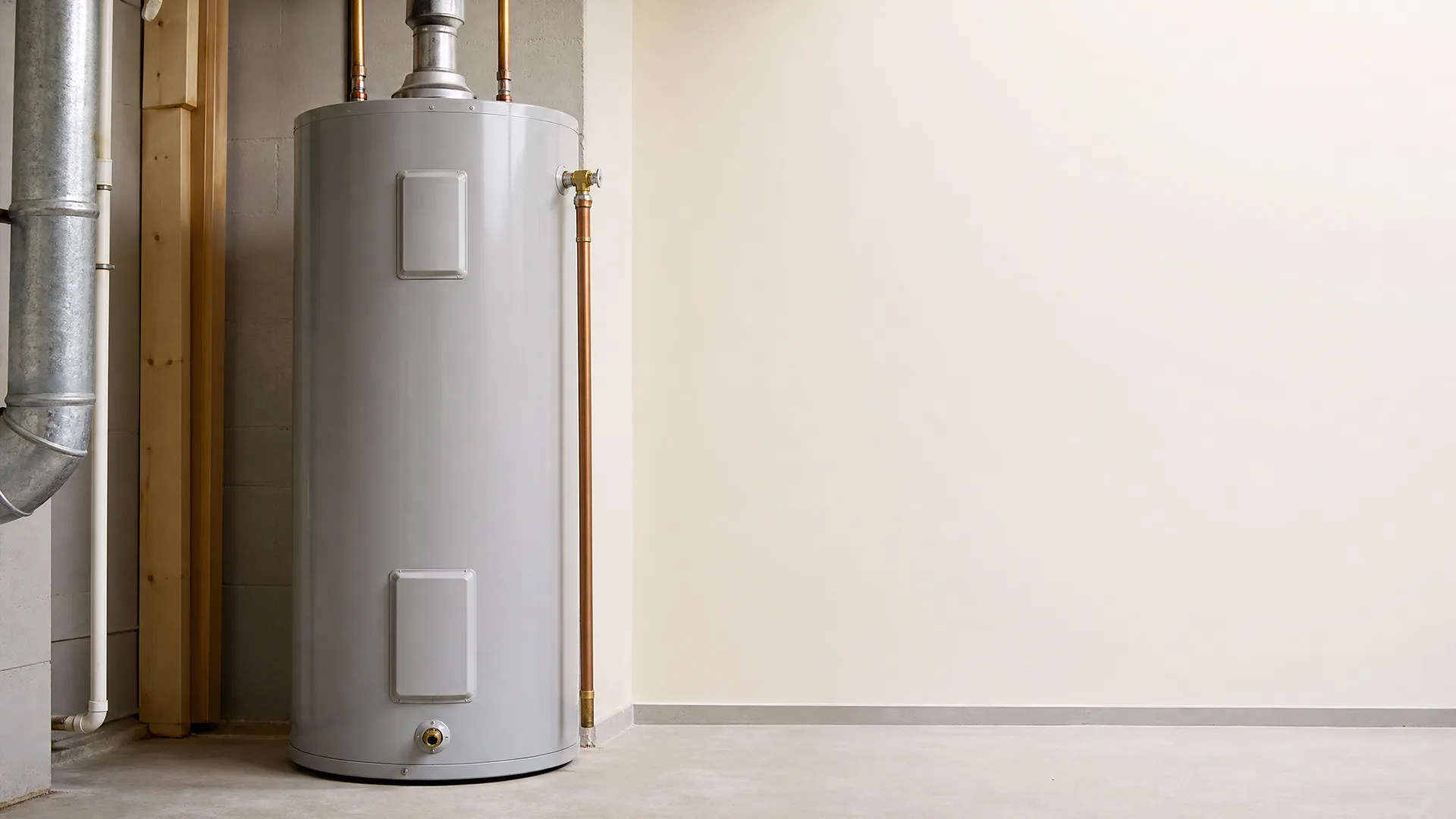
A tank water heater keeps 40 to 50 gallons hot all the time, so when cold groundwater comes in, it's mixing into a tank that's already heated and holding. A tankless unit doesn't get that head start. It pulls in the cold water and has to raise its temperature right then, on demand, every time a tap opens. That difference is why sizing a gas tankless for this water matters more here than in a place where the ground doesn't get as cold.
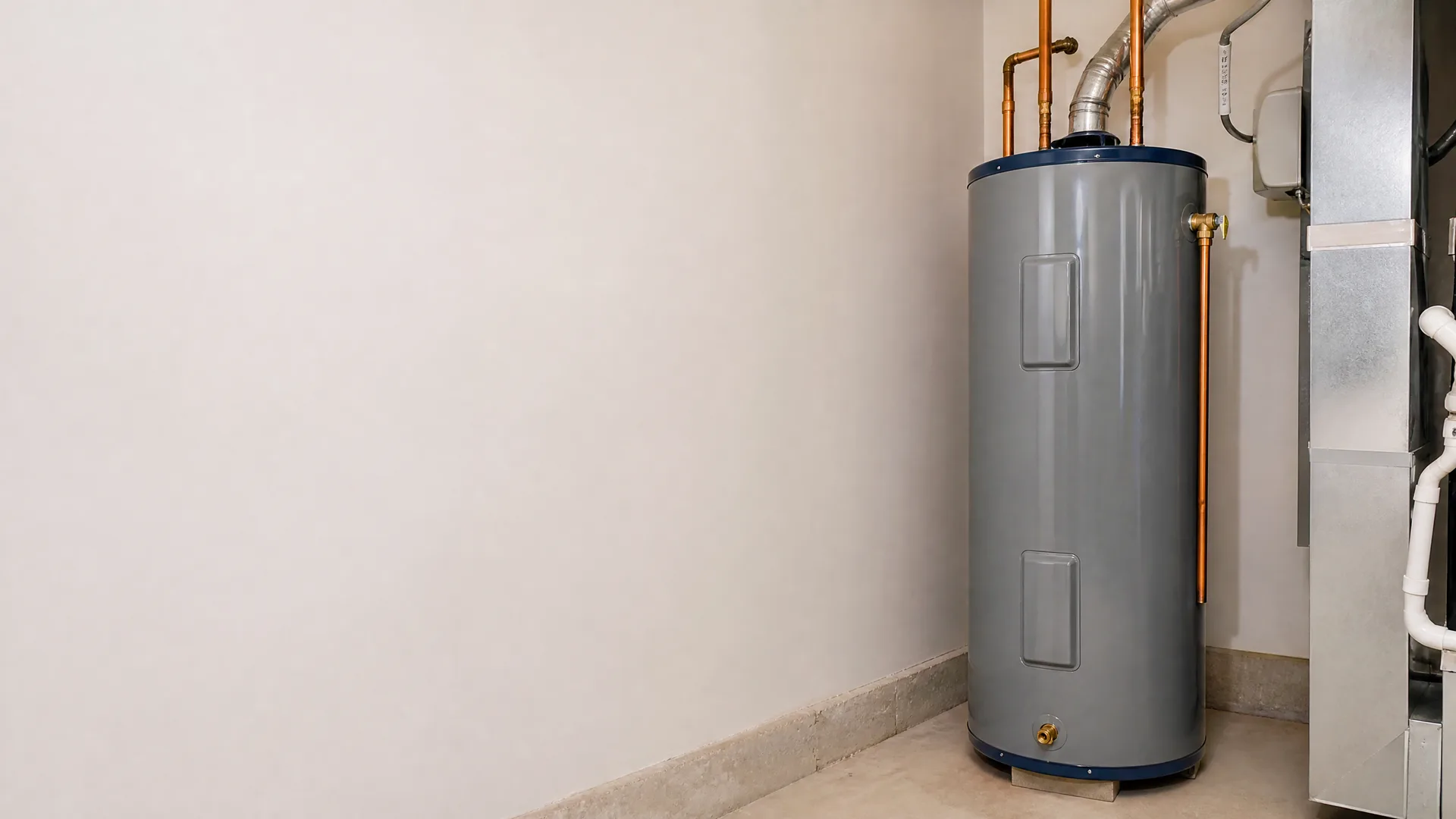
If gas is already run to your water heater, a tankless install doesn't mean adding a new fuel source to the house, just resizing the line and venting for the unit's higher draw. A tank running on gas can work the same way as it always has, replaced like for like. Either way, the gas is doing the work cheap power here doesn't need to, and that's worth knowing before you compare one unit against the other on anything besides the upfront choice.
If your house is one of the 41.3% statewide running on gas, that line is already run to the water heater, which is what makes a gas tankless unit possible without an electrical upgrade. Worth checking before you decide.
ACS 2020-2024 5-year B25040
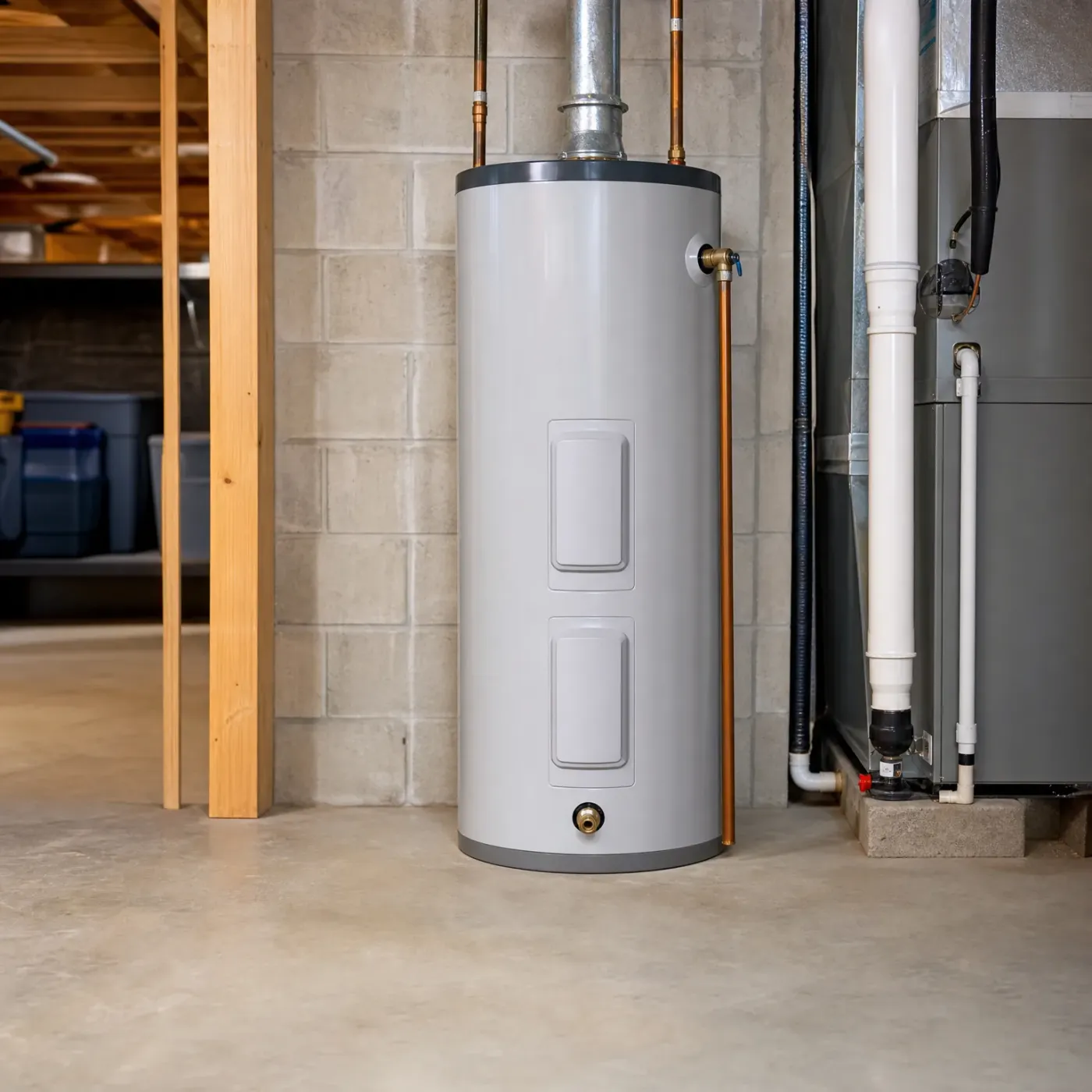
This is what a working tank looks like: panels secure, copper lines tight, flue drawing straight up. It sits there and holds its water hot, ready the moment you open a tap. No surprises, nothing to diagnose.
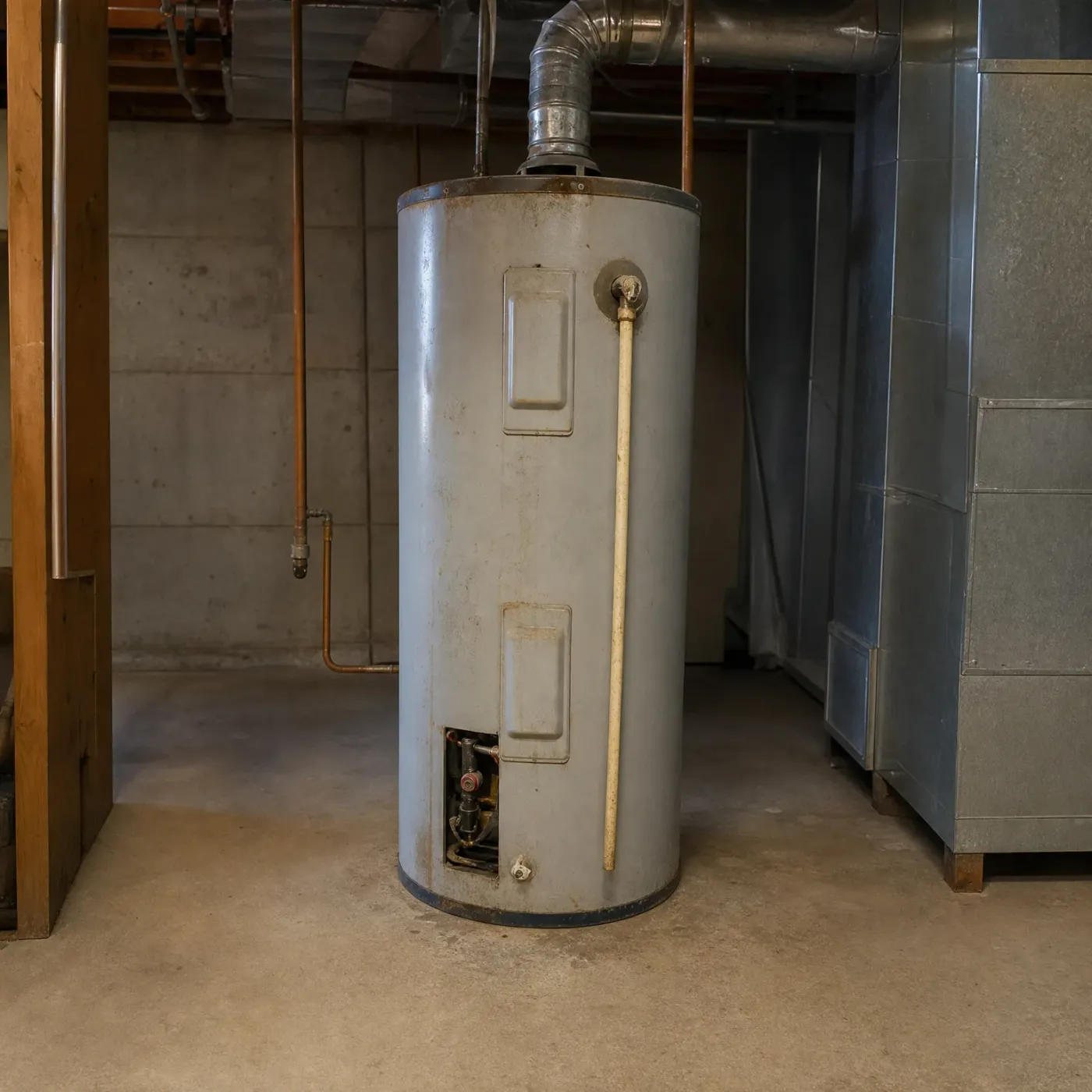
Rust on the jacket and a discolored tank mean the steel inside is wearing through too. That relief valve pipe running down the side is a safety feature, but surface rust like this is usually a sign the tank is near the end, not the start, of its life.
A gas tank sized for your household and a gas tankless sized for your groundwater both do the job here. The difference is upfront cost against a flow rate that won't quit on you in January, and which one wins is a question about your house, not a rule that holds for every house in North Dakota. A plumber who installs and services both kinds in this state knows which brands hold up to groundwater this cold and what size gets a family through two showers and a dishwasher running at once. Getting matched with one licensed local contractor, instead of a handful of companies competing for the job, means someone looks at your house, your gas line, and your hot water habits before recommending anything. That's the part worth getting right before a unit goes into your wall.

Get the right pro for your water heater