Tell us about the job
Takes about a minute. No obligation.
Gas-fired water heaters require venting that moves combustion products out safely and a fresh-air supply that keeps the burner running clean. Utility gas heats more occupied homes in Bowman County, North Dakota than any other fuel, at 50.0% (2020-2024 ACS 5-year). A contractor sizing a replacement here has to account for that fuel from the start: the flue type, the draft arrangement, and whether the existing venting is rated for the unit going in. An install that skips that evaluation leaves a water heater fighting its own exhaust, which shortens burner life and raises carbon monoxide risk regardless of how well the tank itself was built.
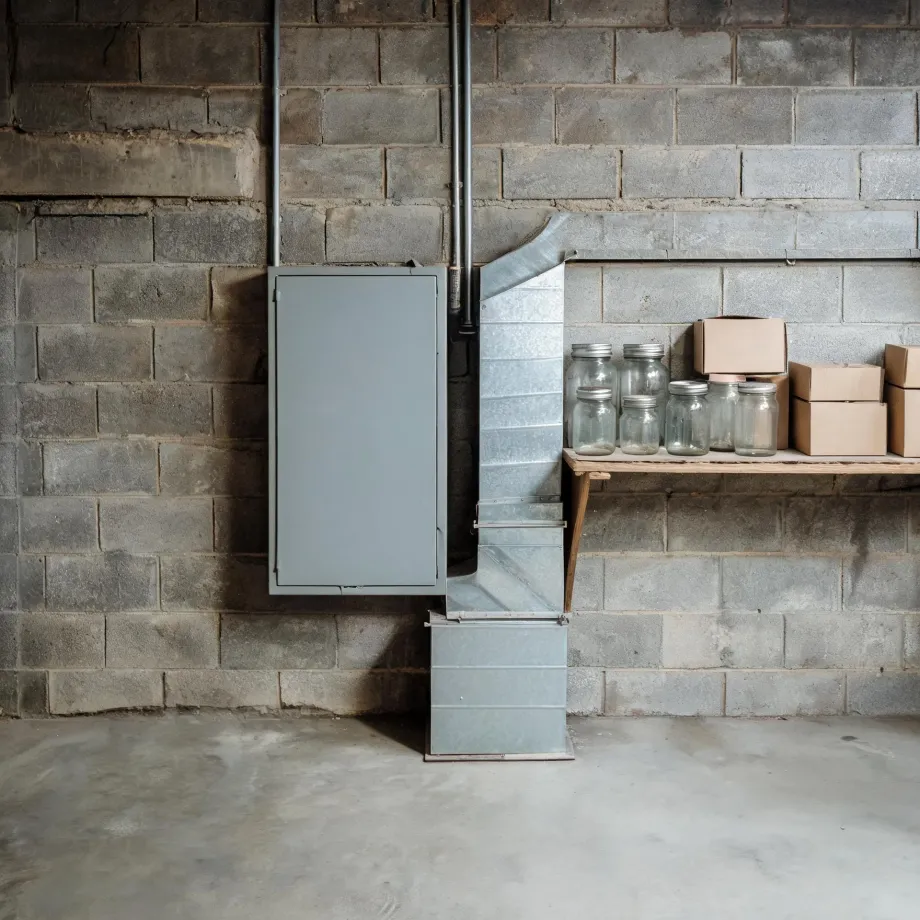
Older plumbing runs and venting arrangements in Bowman County houses shape what a water heater installation actually involves before the new unit is ever touched. Half the homes in Bowman County, North Dakota were built in 1972 or earlier (2020-2024 ACS 5-year). That puts a lot of houses in the position where the venting path, the fuel supply line, and the space around the existing setup were sized and routed for equipment that has since been replaced at least once. A contractor pricing the job has to account for what those existing conditions will accept, because a straight swap is only possible when the current configuration already lines up with what the new unit requires.
What a Water Heater Installation Covers
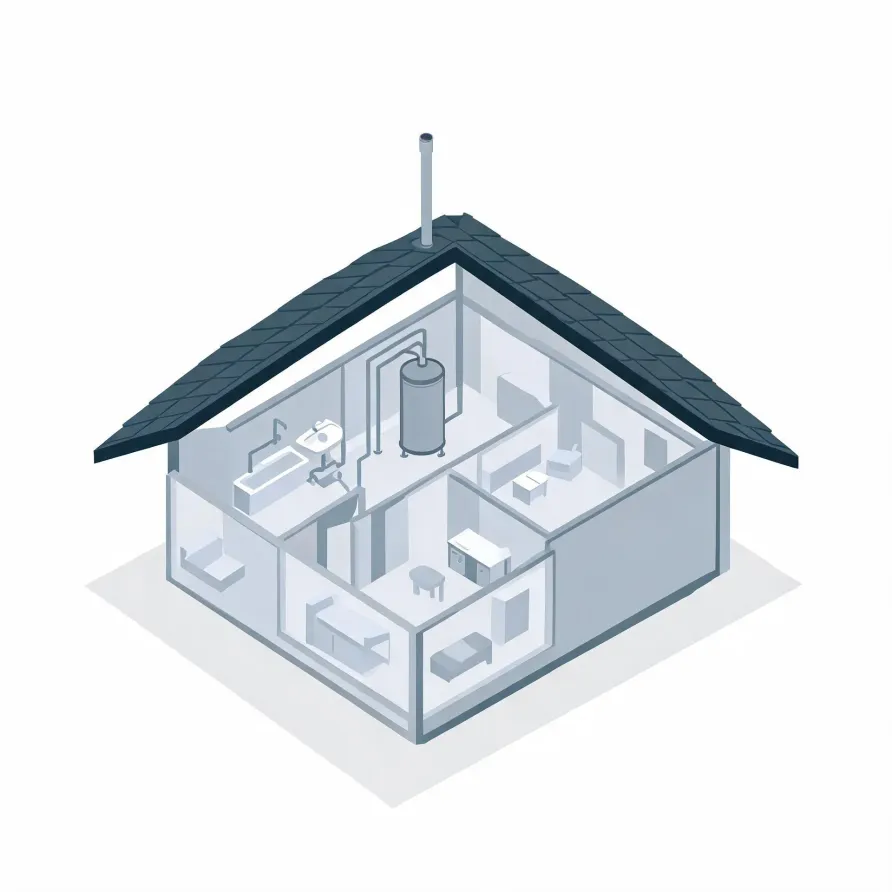
The tank or tankless unit is the centerpiece of the system. A storage tank sits in a utility room, basement, or closet and holds a ready supply of hot water. A tankless unit mounts on a wall and heats water on demand as it passes through.
A pressure relief valve attaches directly to the tank and releases pressure if it climbs too high. Cold water supply lines feed into the unit, and hot water lines carry the heated water out to every fixture in the house. A dedicated gas line or electrical circuit connects at the unit itself.
The drawing shows a typical layout, and a licensed contractor determines what applies to your specific home.
Find a contractor in Bowman CountyBowman County by the Numbers
134 severe weather events were recorded in Bowman County, North Dakota between 2015 and 2024.
NOAA National Centers for Environmental Information, Storm Events Database, bulk CSV export, events 2015-01-01 through 2024-12-31.Half the homes in Bowman County, North Dakota were built in 1972 or earlier (2020-2024 ACS 5-year).
U.S. Census Bureau, 2020-2024 American Community Survey 5-Year EstimatesBowman County, North Dakota holds 1,635 housing units (2020-2024 ACS 5-year).
U.S. Census Bureau, 2020-2024 American Community Survey 5-Year EstimatesOwners occupy 83.3% of the occupied homes in Bowman County, North Dakota (2020-2024 ACS 5-year).
U.S. Census Bureau, 2020-2024 American Community Survey 5-Year EstimatesSevere Weather Events in Bowman County
Extreme weather puts real demands on water heating equipment, shortening service life and driving up the cost of doing nothing. How much strain a system takes depends on where it sits, and Bowman County has its own record.
134 severe weather events, 2015–2024. Source: NOAA National Centers for Environmental Information, Storm Events Database.