Tell us about the job
Takes about a minute. No obligation.
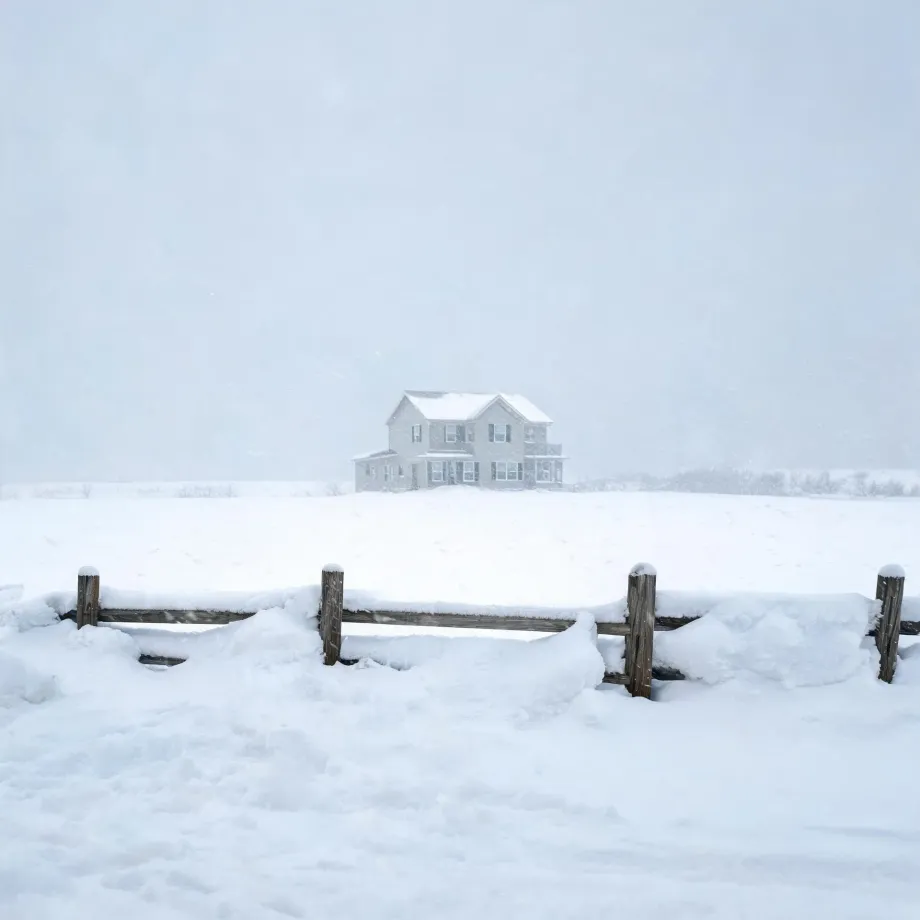
Replacing a water heater here starts with the service panel, not the water heater itself. Electricity heats more occupied homes in Sargent County, North Dakota than any other fuel, at 44.9% (2020-2024 ACS 5-year). That share of electric-heated homes means most houses in this county run their heating load and their water heating load off the same panel, and a contractor has to confirm the available amperage before the new unit goes in. An electric water heater draws a dedicated circuit, and if the panel is already loaded, the installation scope changes before a line item gets written.
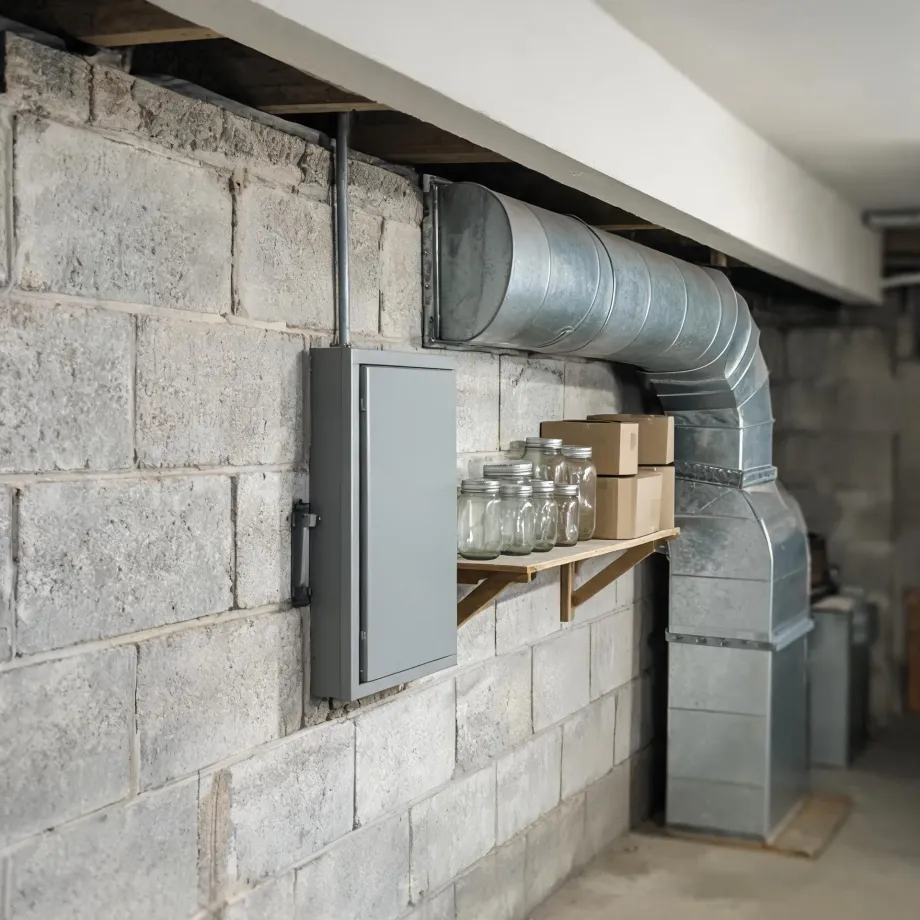
Ductwork and electrical service laid down for one generation of equipment do not automatically suit what replaces it. Half the homes in Sargent County, North Dakota were built in 1975 or earlier (2020-2024 ACS 5-year). A water heater installation in housing this old turns on what a contractor finds behind the walls: whether the existing runs support the new unit's demands, and whether the panel has the capacity to feed it without additional work. Those two variables set the real scope of the job before the equipment cost enters the picture at all.
What a Water Heater Installation Covers
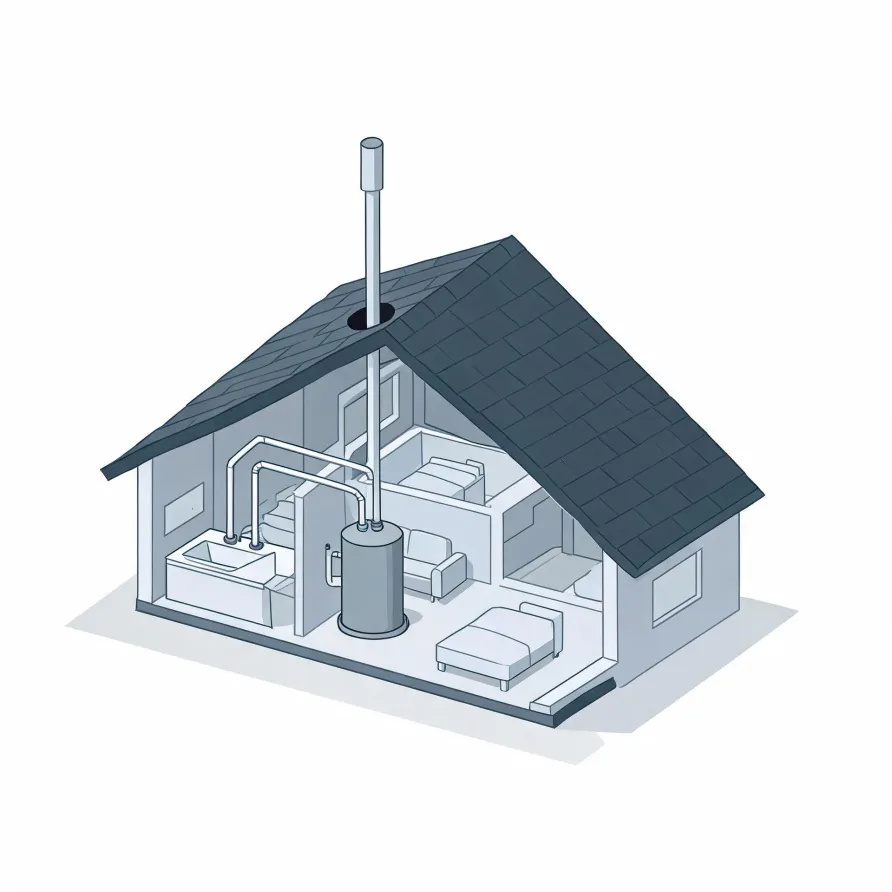
The tank or unit itself sits in a utility room, basement, or closet and holds the water your household draws on for showers, laundry, and dishes. A contractor sets the unit in place, connects it to the cold water supply line that feeds it, and ties the hot water outlet line into the pipes that run to the rest of the house.
A pressure relief valve mounts directly on the unit and vents to a drain as a safety measure. The flue or exhaust connection runs from the top of a gas unit up through the wall or ceiling, and the gas supply line or electrical connection at the base ties the whole system to its energy source.
The drawing shows a general layout of these components, and a licensed contractor determines what applies to your specific house and its existing plumbing and connections.
Find a contractor in Sargent CountySargent County by the Numbers
114 severe weather events were recorded in Sargent County, North Dakota between 2015 and 2024.
NOAA National Centers for Environmental Information, Storm Events Database, bulk CSV export, events 2015-01-01 through 2024-12-31.Half the homes in Sargent County, North Dakota were built in 1975 or earlier (2020-2024 ACS 5-year).
U.S. Census Bureau, 2020-2024 American Community Survey 5-Year EstimatesSargent County, North Dakota holds 1,996 housing units (2020-2024 ACS 5-year).
U.S. Census Bureau, 2020-2024 American Community Survey 5-Year EstimatesOwners occupy 72.5% of the occupied homes in Sargent County, North Dakota (2020-2024 ACS 5-year).
U.S. Census Bureau, 2020-2024 American Community Survey 5-Year EstimatesSevere Weather Events in Sargent County
Extreme weather puts real demand on water heating equipment, shortening service life and driving up the work a system has to do year-round. How often that pressure arrives in Sargent County shapes what a water heater installation here needs to handle.
114 severe weather events, 2015–2024. Source: NOAA National Centers for Environmental Information, Storm Events Database.