Sediment keeps baking on
Leave it alone and that layer at the bottom keeps thickening. The burner has to work through it to heat the water, so recovery gets slower and the popping gets louder.
That popping or rumbling sound usually starts low and gets louder over weeks or months. It tends to show up right when the burner or heating element kicks on, then quiets down between cycles. It's not dangerous in the moment, but it's a sign the tank has been working harder than it should to get your water hot, and that's worth paying attention to before it turns into a bigger problem.
Fargo water carries minerals that settle out as sediment, and that sediment collects on the bottom of the tank over time. When the burner or element heats the water, steam bubbles form underneath that layer and push their way through, and that's the popping you hear. The thicker the layer gets, the louder and more frequent the noise becomes. It also means the heater is burning more gas or electricity to get the same amount of hot water, since the sediment sits between the heat source and the water itself. Left alone, it can shorten how long the tank lasts and stress the bottom of the tank where the sediment settles.
Fargo water runs hard, and the minerals in it settle out as heat hits the bottom of the tank. Every cycle bakes another thin layer onto the last one. Over months that layer turns into a crust covering the burner or the lower heating element. The popping you hear is water trapped under that crust flashing to steam and pushing its way out. The more layers, the louder and more frequent it gets.
That crust sits between the burner or element and the water it's supposed to heat. The tank has to run longer to get the same result, and the steel underneath takes more direct heat than it was built for. Left alone, the buildup keeps the tank working harder for the same hot water, and the extra strain tends to show up later as a leak or a failed element rather than getting better on its own.
2.23 people per household on average
The average Cass County household has 2.23 people, so most tanks here cycle on and off several times a day, giving sediment plenty of chances to bake on.
Half the homes here were built by 1993
Half the homes in Cass County were built in 1993 or earlier. If yours is one of them, check whether the water heater is original or has already been swapped once.
49.4% of homes heat with electricity
Electricity heats 49.4% of homes here, more than any other fuel. An electric tank pops when sediment covers the lower heating element, not a burner.
ACS 2020-2024
A tank that's just popping and otherwise working can usually keep running. If the water still gets hot, if there's no water pooling under the tank or around the fittings, and if the noise hasn't changed character, a lot of people wait it out. The sediment is already there and waiting doesn't add more of it any faster than running the tank normally does. Some homeowners go years hearing that sound every time the burner fires and never have a problem beyond the noise itself. If you go this way, keep an eye on the floor around the tank and check for rust or damp spots now and then, since that's the thing that actually signals trouble ahead.
A thick layer of sediment makes the burner or element work through more heat before the water above it warms up, and a tank working harder shows up on the gas or electric portion of your bill eventually. Sediment sitting against the tank bottom for a long stretch has also been tied to early tank failure in some cases, since the steel underneath never gets a break from that trapped heat. A plumber can flush the tank, check the anode rod, and tell you whether the popping is the ordinary kind or a sign something else is going on, like a failing element or a crack starting underneath the crust. If the tank is old or you'd rather know than guess, this is the route that answers the question instead of living with it.




Leave it alone and that layer at the bottom keeps thickening. The burner has to work through it to heat the water, so recovery gets slower and the popping gets louder.
A contractor can drain the tank and break up what's settled on the bottom. Quiets the noise and gets the burner heating water again instead of fighting through sediment.
Heat hits the tank bottom and minerals in the water drop out of solution.
Loose sediment settles into a layer across the tank floor.
Each heating cycle bakes that layer a little harder onto the steel.
Water and steam get trapped under the hardened crust.
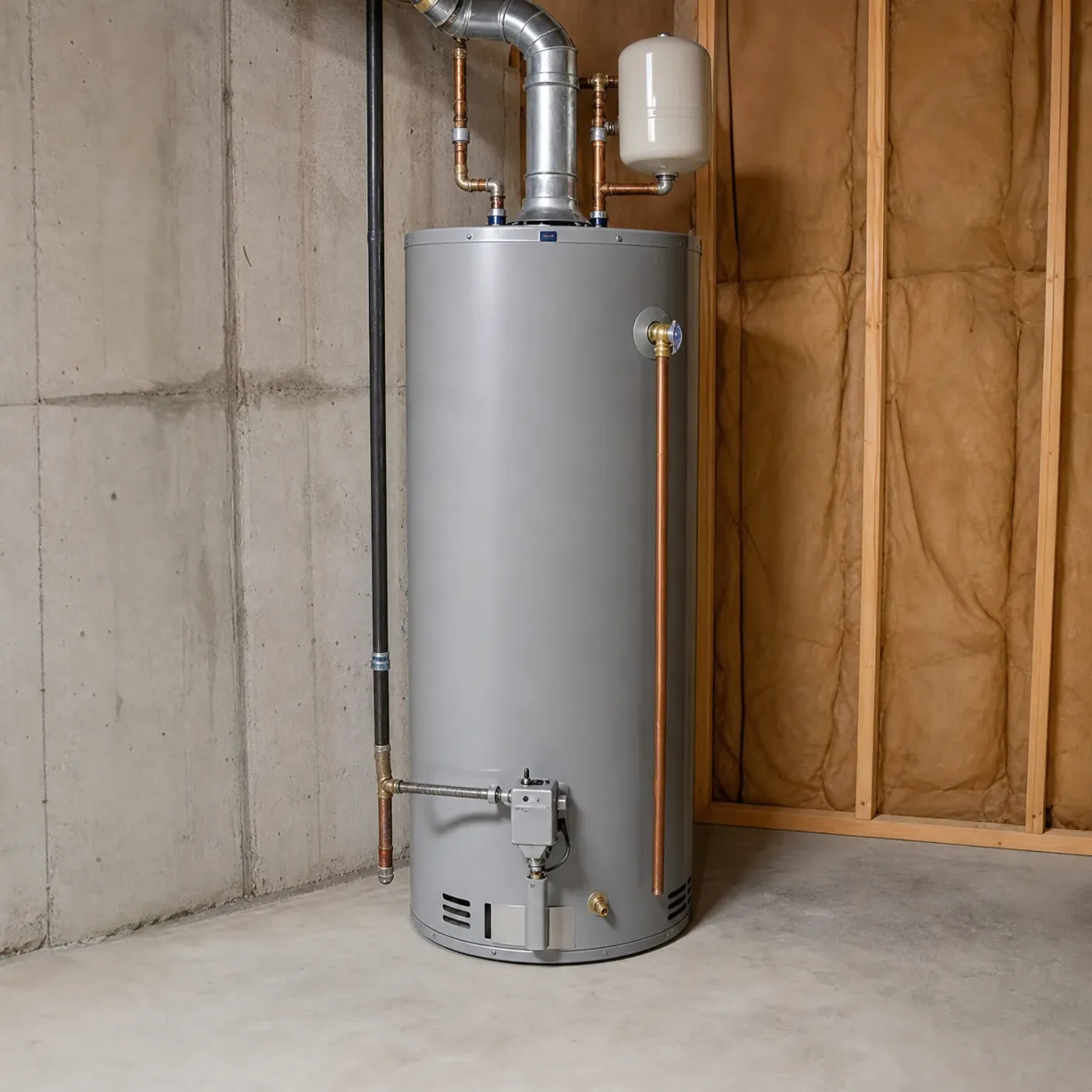
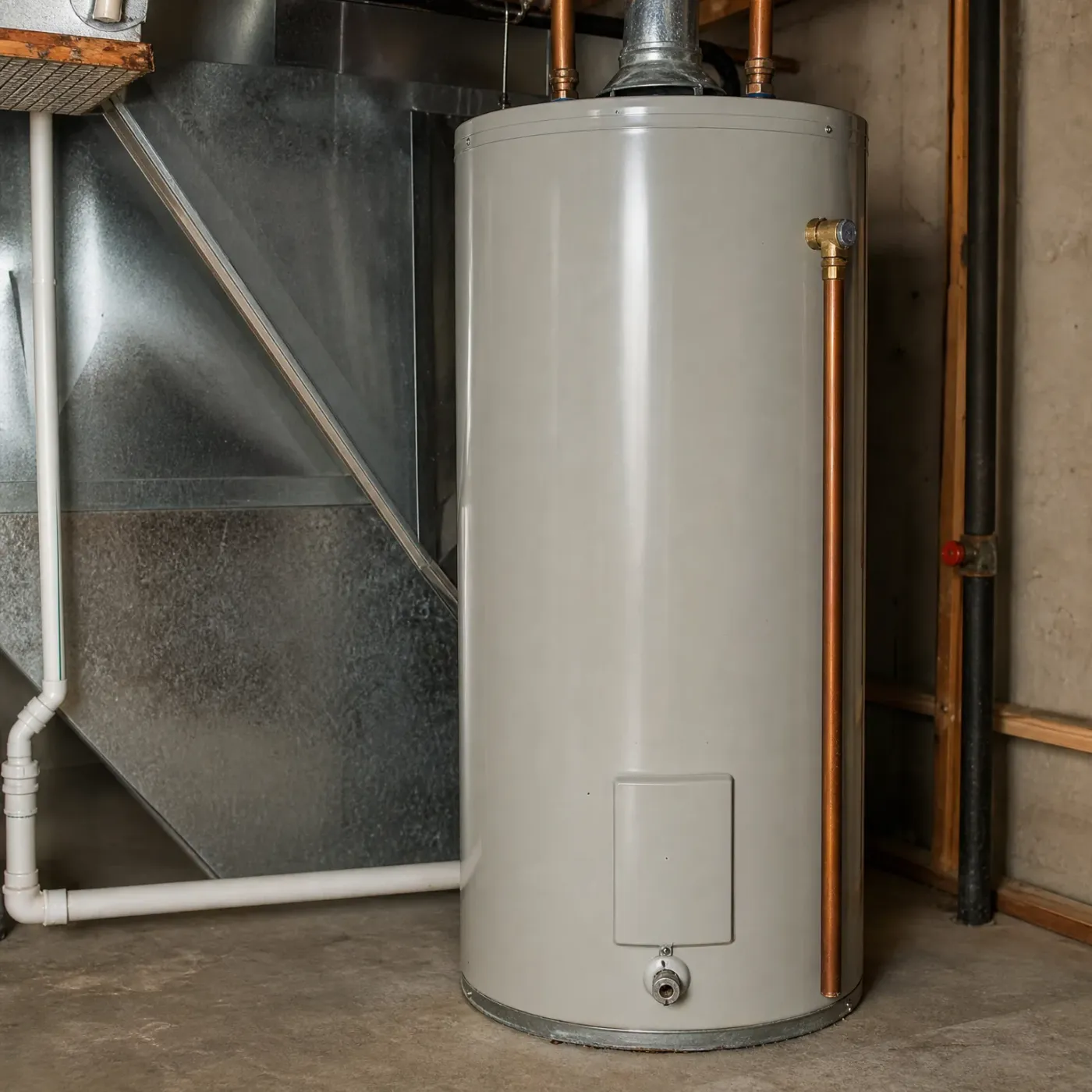
Skip calling shops to ask who repairs water heaters in Cass County.
After this form, you can stop searching for a water heater pro.
There's no charge for the request.
The popping usually reaches you from the utility room or basement, loud enough to notice from the next room once the burner or element fires. Some households hear it most in the evening, when showers and dishes run the tank through a few cycles back to back. You might also notice hot water taking longer to show up at the tap, or the tank running out sooner than it used to, since the sediment layer is eating into how much water actually gets heated. The tank itself may feel warm along the bottom seam. None of that means the tank is about to fail, but a hardened layer left to grow keeps stressing the steel underneath it every time the burner heats through it.
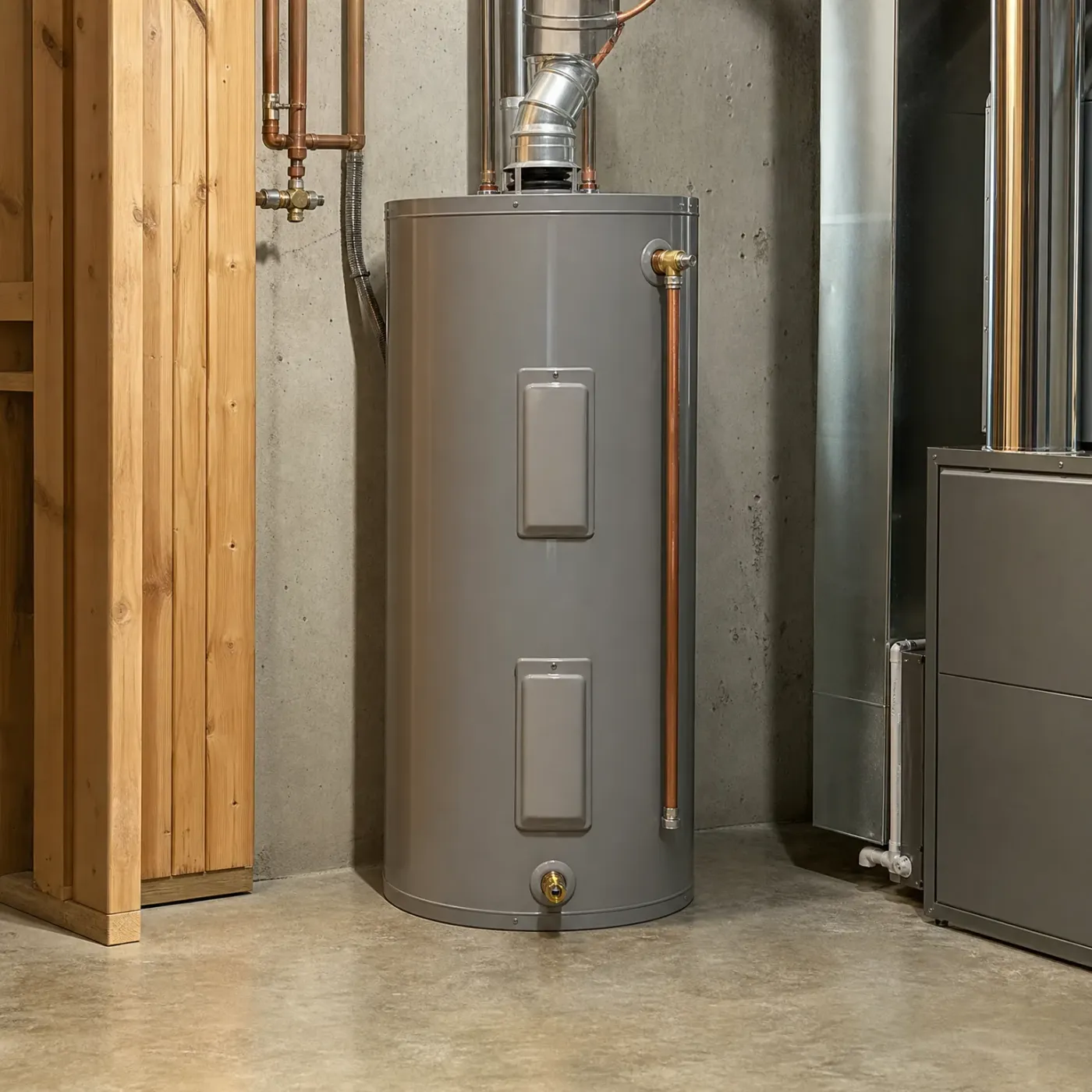
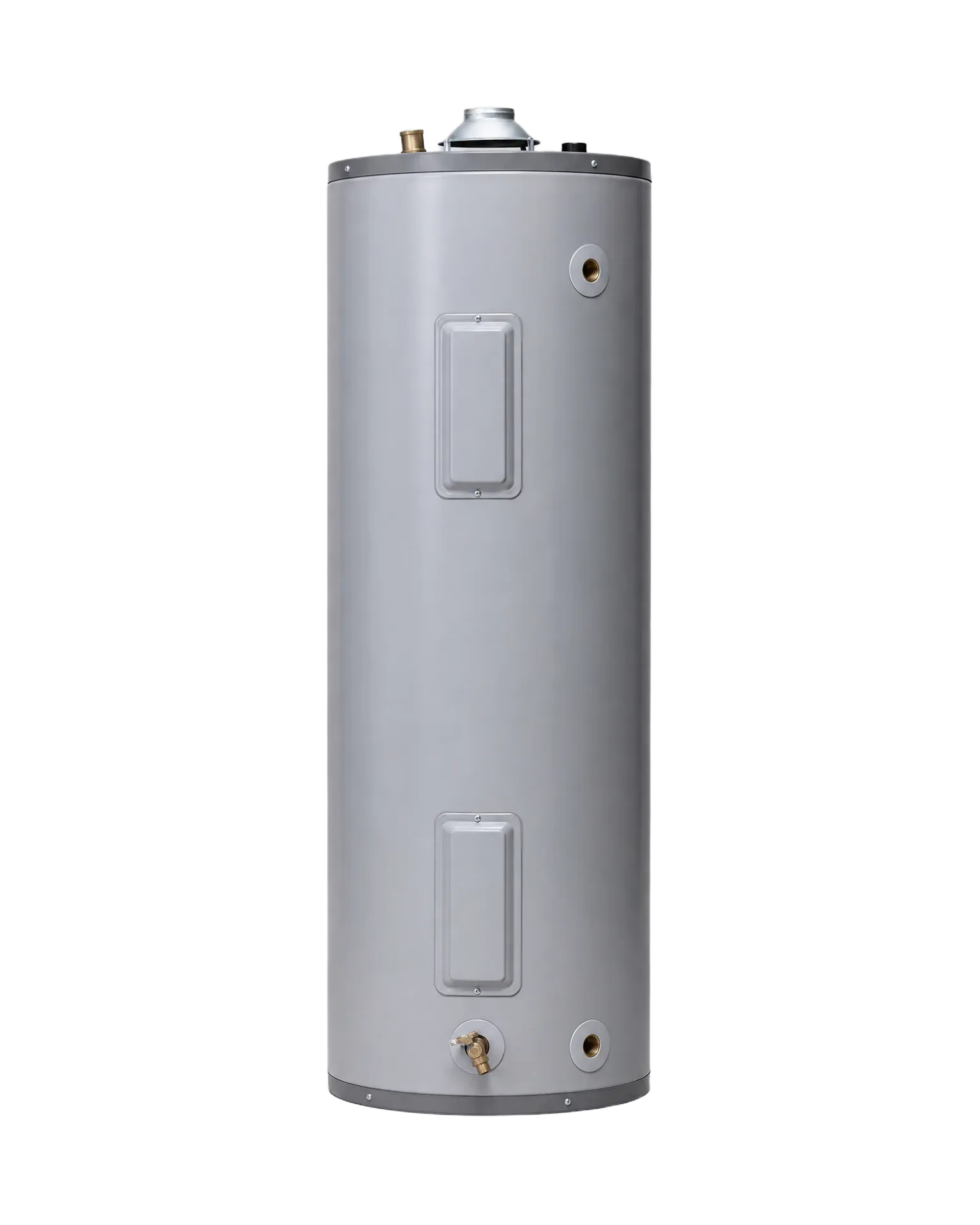
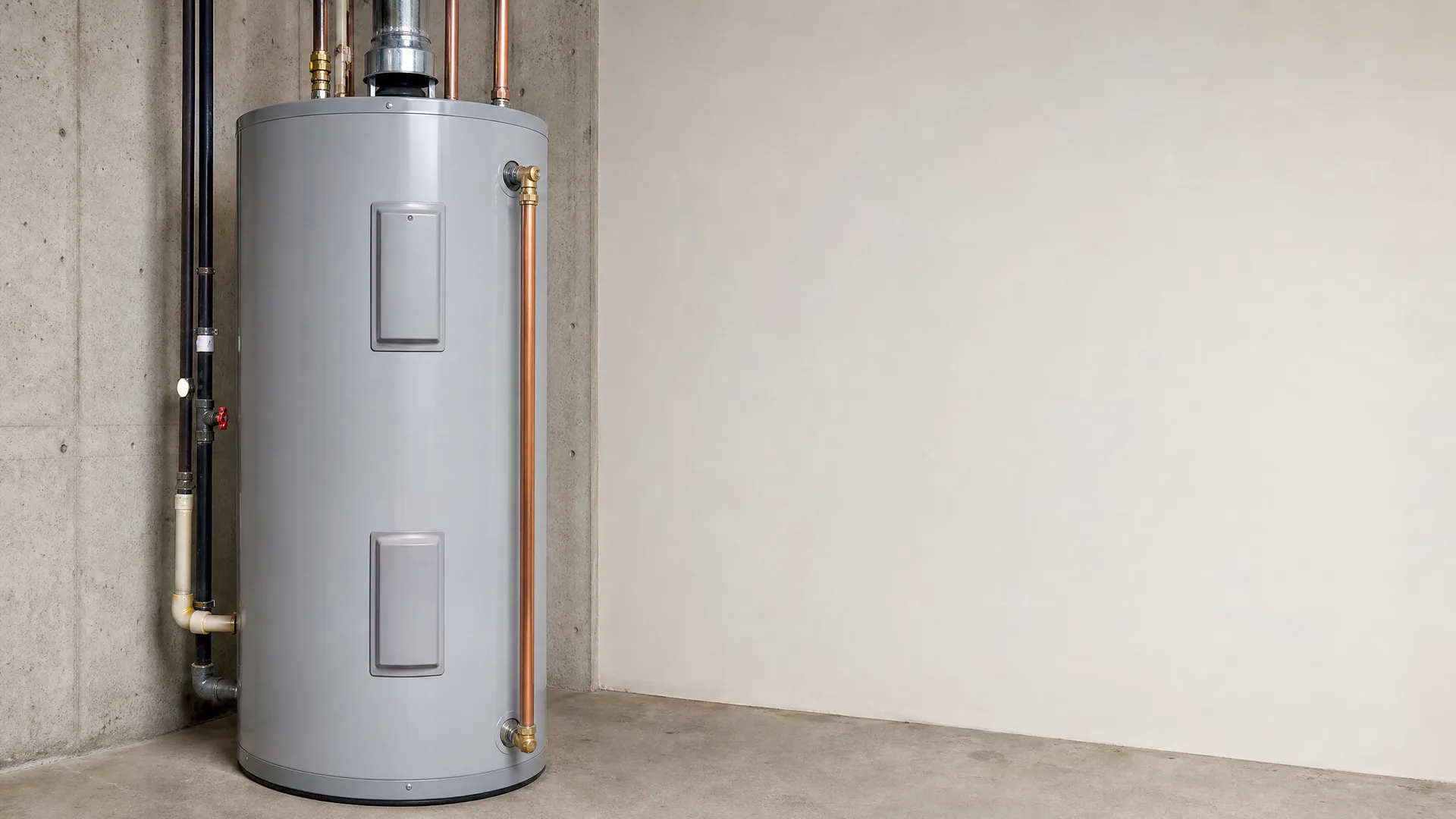
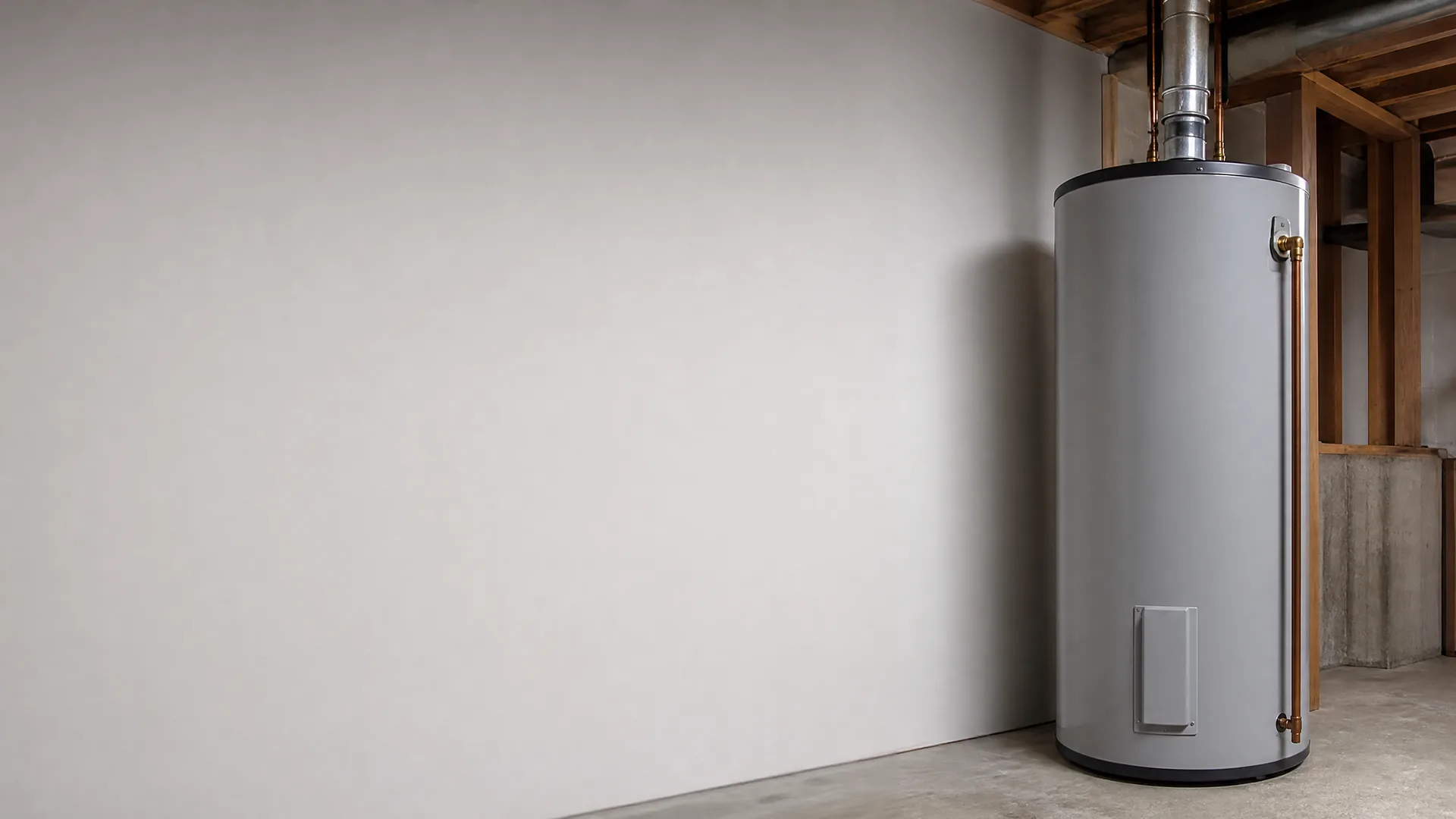
This is a tank with little or no sediment on the bottom. The copper lines and relief valve are doing their job, and heat moves straight into the water instead of fighting through a layer of scale first. No popping, no rumbling.
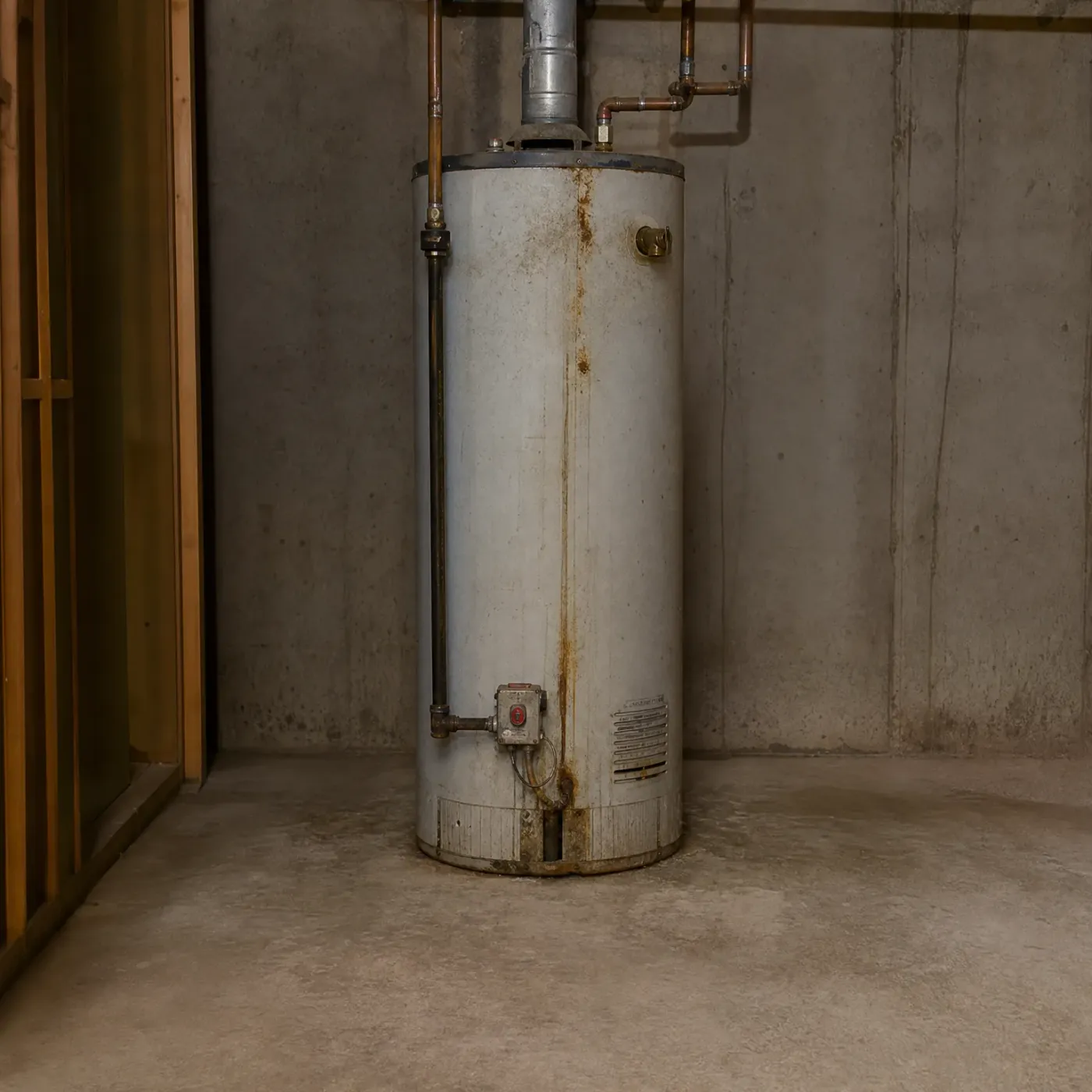
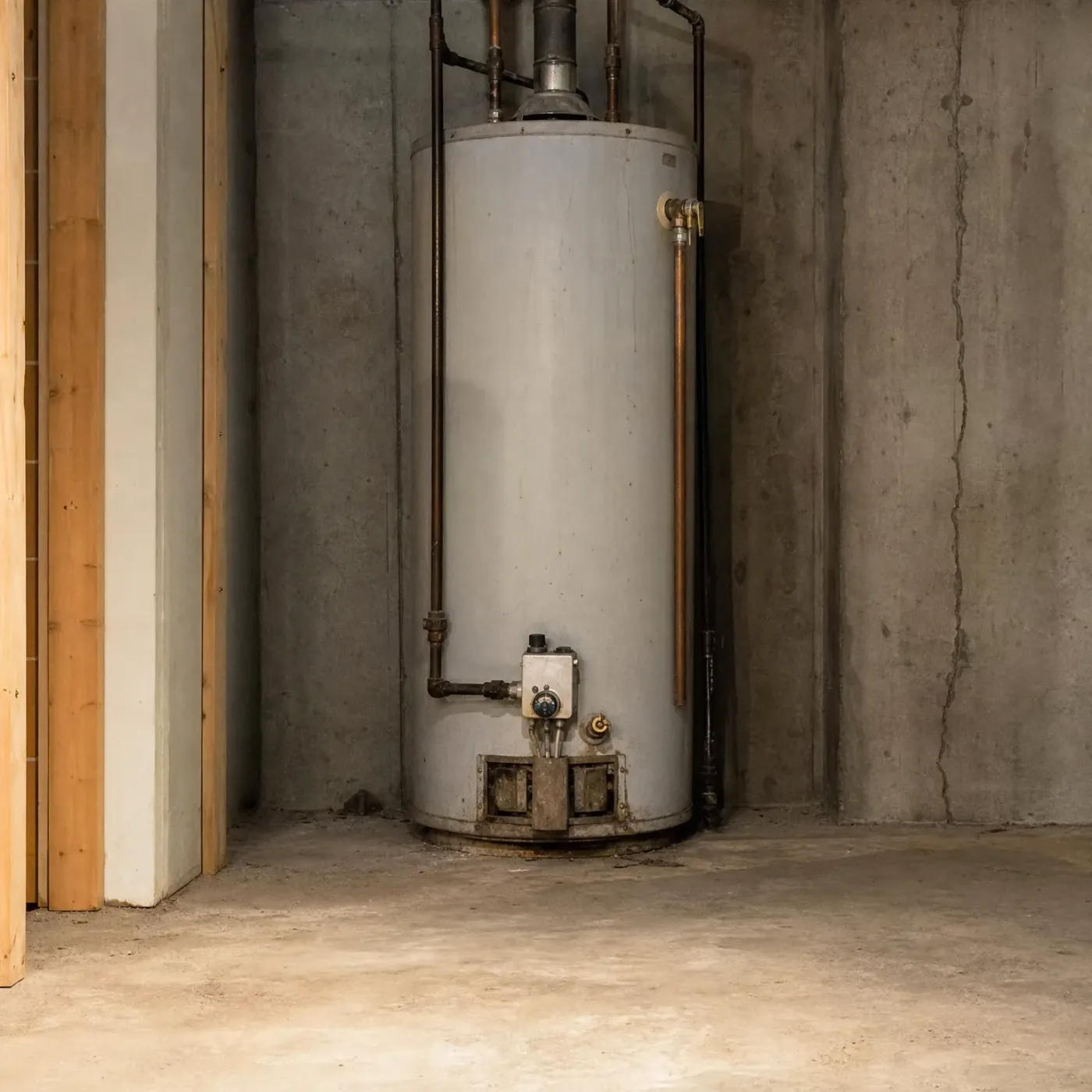
Years of scale buildup can turn into years of wear on the tank itself. Once rust shows on the outside near the gas valve and thermostat, the sediment problem inside has likely been going on for a long time without being flushed.

A water heater working through baked-on sediment uses more power to get the same hot shower. Most homes in Cass County heat with electricity, and power here is cheap, but a tank fighting a crust on the bottom still runs longer each cycle than it should. That shows up as a few more dollars a month, and it keeps climbing as the layer thickens. The bigger risk is the tank itself. Sediment traps water under it, and the steam pockets that cause the popping are also stressing the tank floor over time.
You don't have to spend an evening calling around to deal with it. No searching for who works on water heaters in Fargo, no explaining the popping noise to three different shops, no sitting on hold comparing quotes while the sound gets louder every week. Send the details once and a licensed contractor who works on tanks like yours gets in touch. The sorting and comparing stop being your job, and you get back to the evening you had planned.

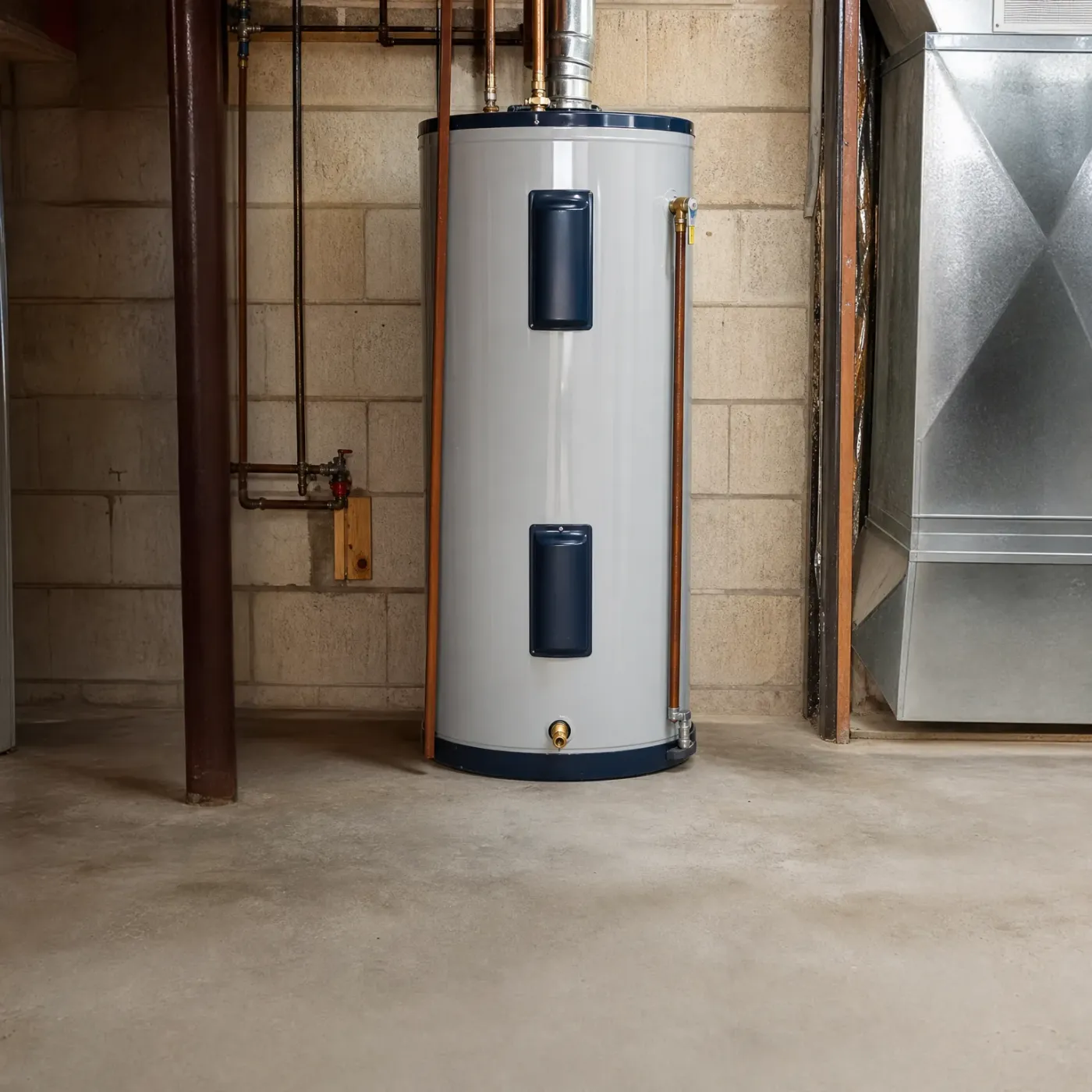
This tank is clean inside, and the copper lines and fittings around it show it. Heat moves straight into the water instead of pushing through scale first. It runs quiet, recovers fast, and the burner or element isn't fighting anything to do its job.
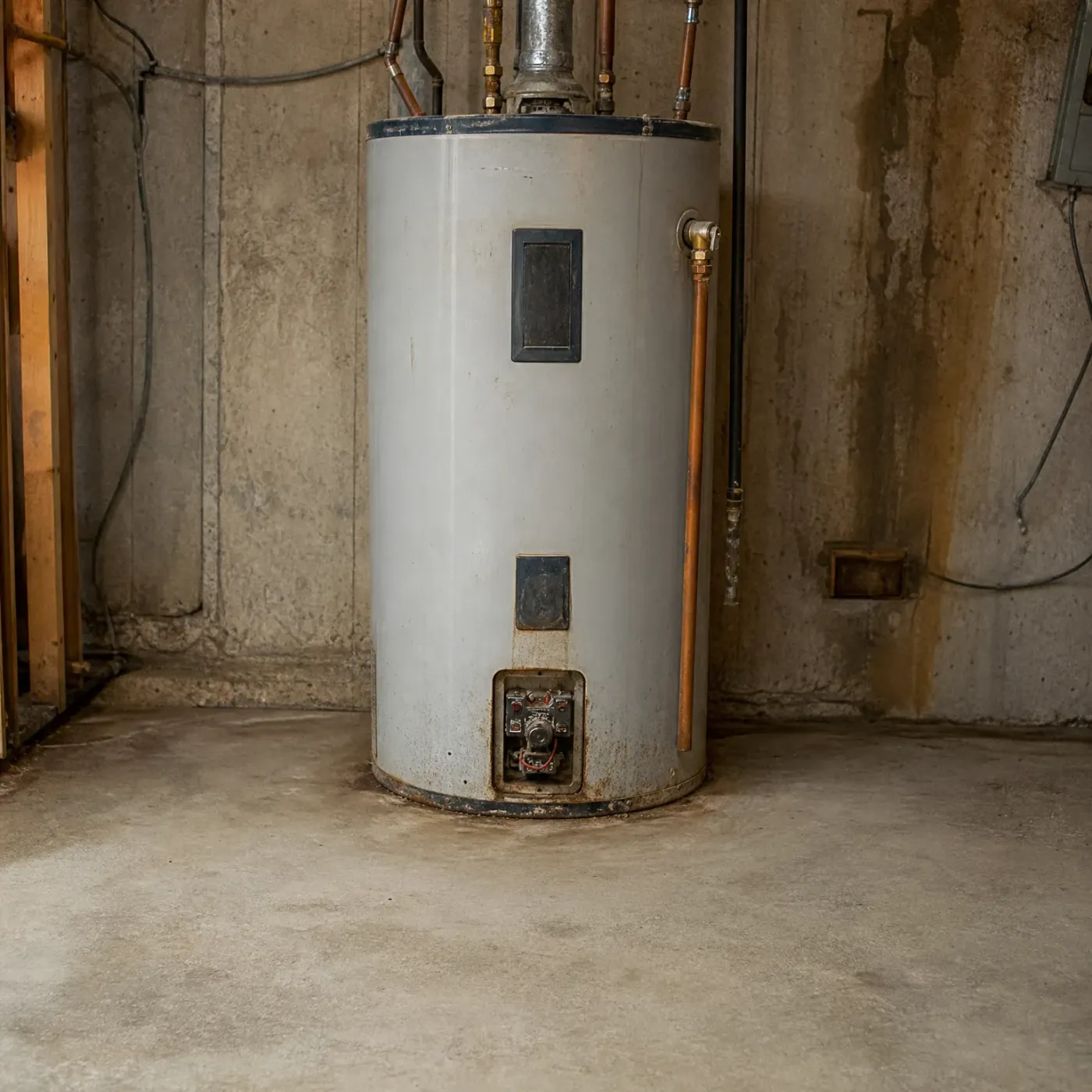
Rust on the jacket and worn access panels usually mean the inside has been building up just as long. A crust that thick traps water underneath it, which is what makes the popping loud. The unit works harder for the same hot water, and that wear doesn't reverse on its own.
At 13.26 cents a kilowatt-hour, power here is cheap, so that popping tank isn't going to wreck your electric bill overnight. But a layer of sediment still makes the element work longer for the same hot water, and that cost adds up the longer it sits.
EIA-861 2025
The popping in your water heater is sediment baked onto the bottom of the tank, and it gets louder because that layer keeps getting thicker. It won't strand you without hot water overnight, but it won't quiet down on its own either. A flush now clears it out while the tank is still healthy. Leave it long enough and the crust can crack the glass lining or burn out the lower element, and at that point you're replacing a tank instead of flushing one. You don't have to spend an evening on this the way you might otherwise, calling around to find someone who works on water heaters, explaining the popping and the timeline to each one, then sitting with a stack of quotes trying to tell them apart. Send the form once and that search is done. Your tank is either worth flushing or worth watching a little longer, and now you know which.
Done looking for a water heater pro