Why you run out of hot water fast in North Dakota

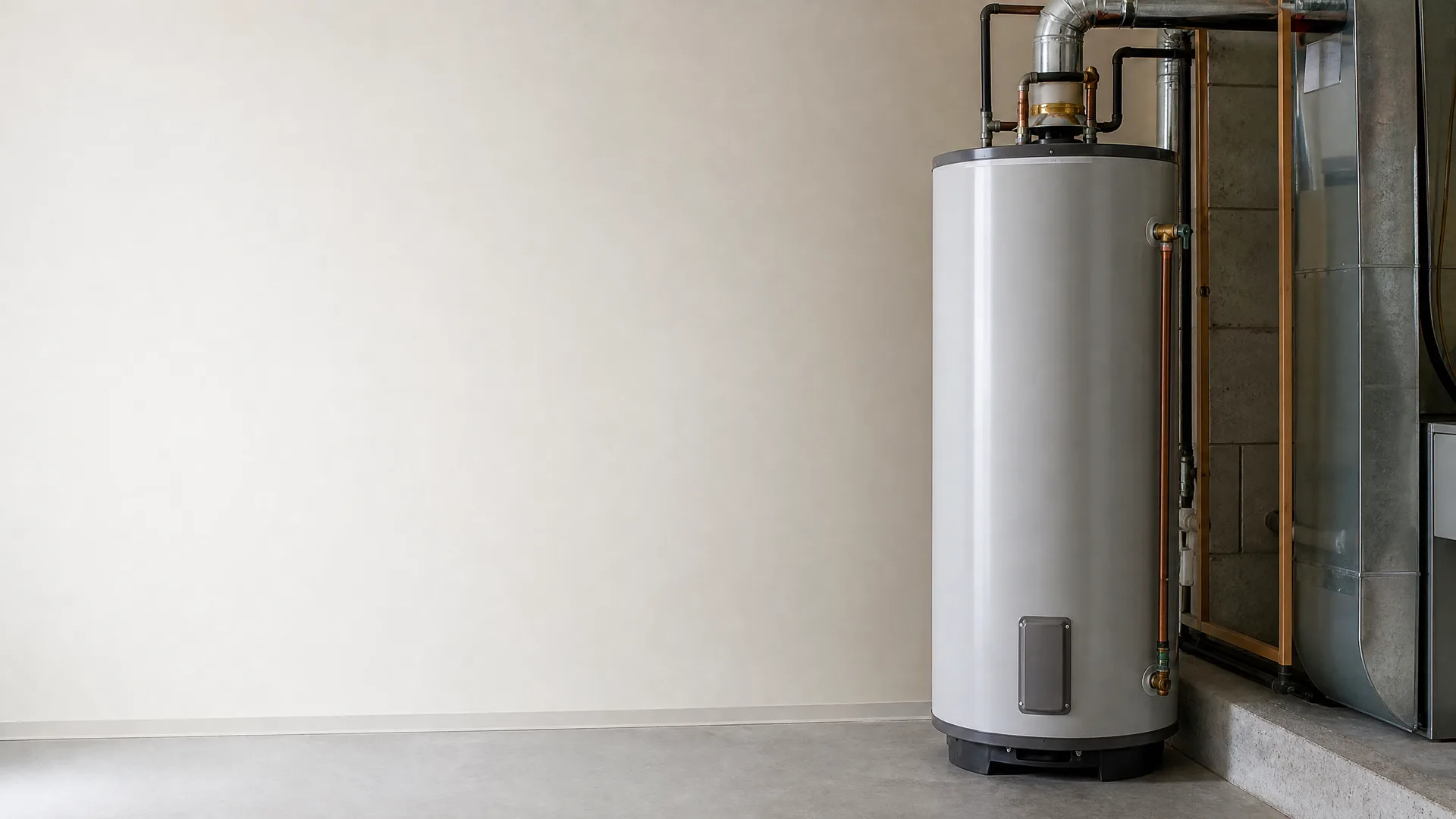
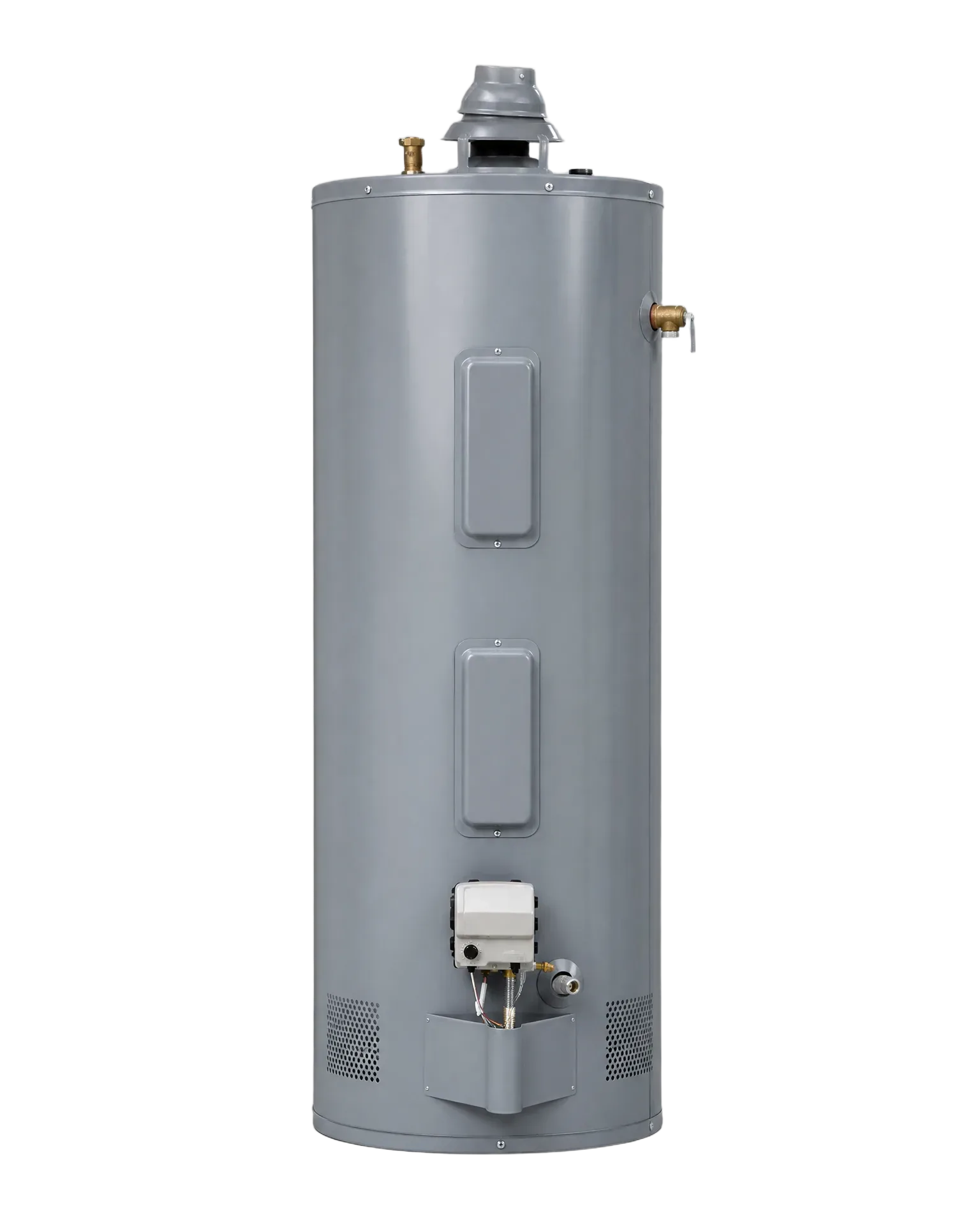
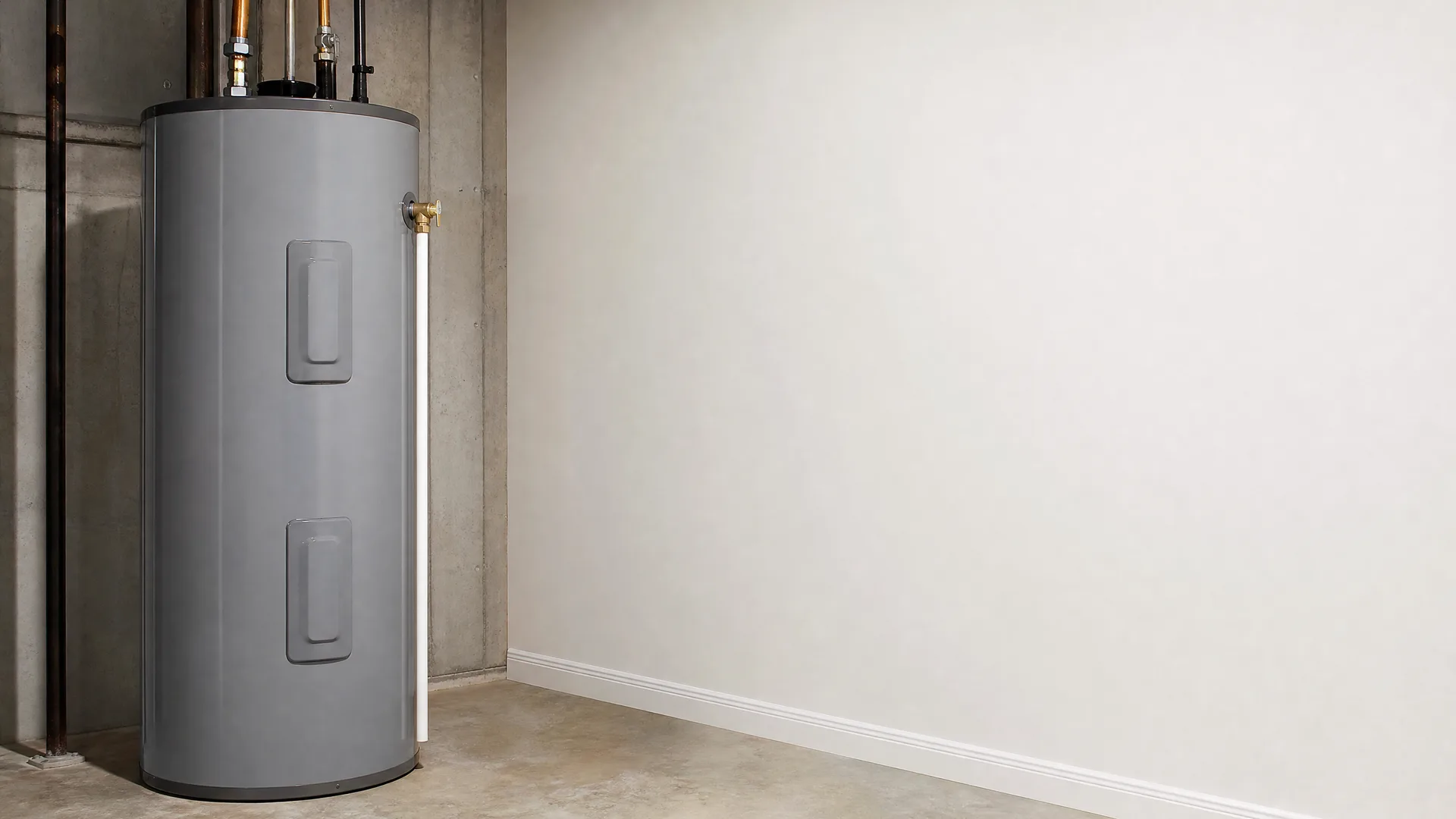
A gray cylindrical gas water heater with a top flue hood, brass fittings, two access panels, a control valve and burner cover, photographed against a plain gray background.
Describe it once

Why do I keep running out of hot water so fast?

Cold showers get old fast, especially with winters here the way they are. You turn up the water heater, run fewer loads, space out the showers, and you still hit cold water before everyone's done. It usually comes down to one of two things: the tank can't keep up with how it's being used, or something inside it isn't working the way it should anymore.

Either the tank is too small for how it's being used, or a part inside it has failed

A gas water heater that runs out fast is usually one of two things. If it has always run short, the tank size doesn't match how much hot water the house actually uses, and that gets worse in winter here since the incoming water is colder and the burner has to work harder to raise it to temperature. If it used to last and now doesn't, something has changed inside the tank. A failing gas valve, a bad thermocouple, or heavy sediment sitting at the bottom of the tank can all cut how much hot water it actually delivers, even though the tank itself hasn't gotten any smaller. A plumber can test which one it is and tell you whether it's a repair or the tank itself needs replacing.

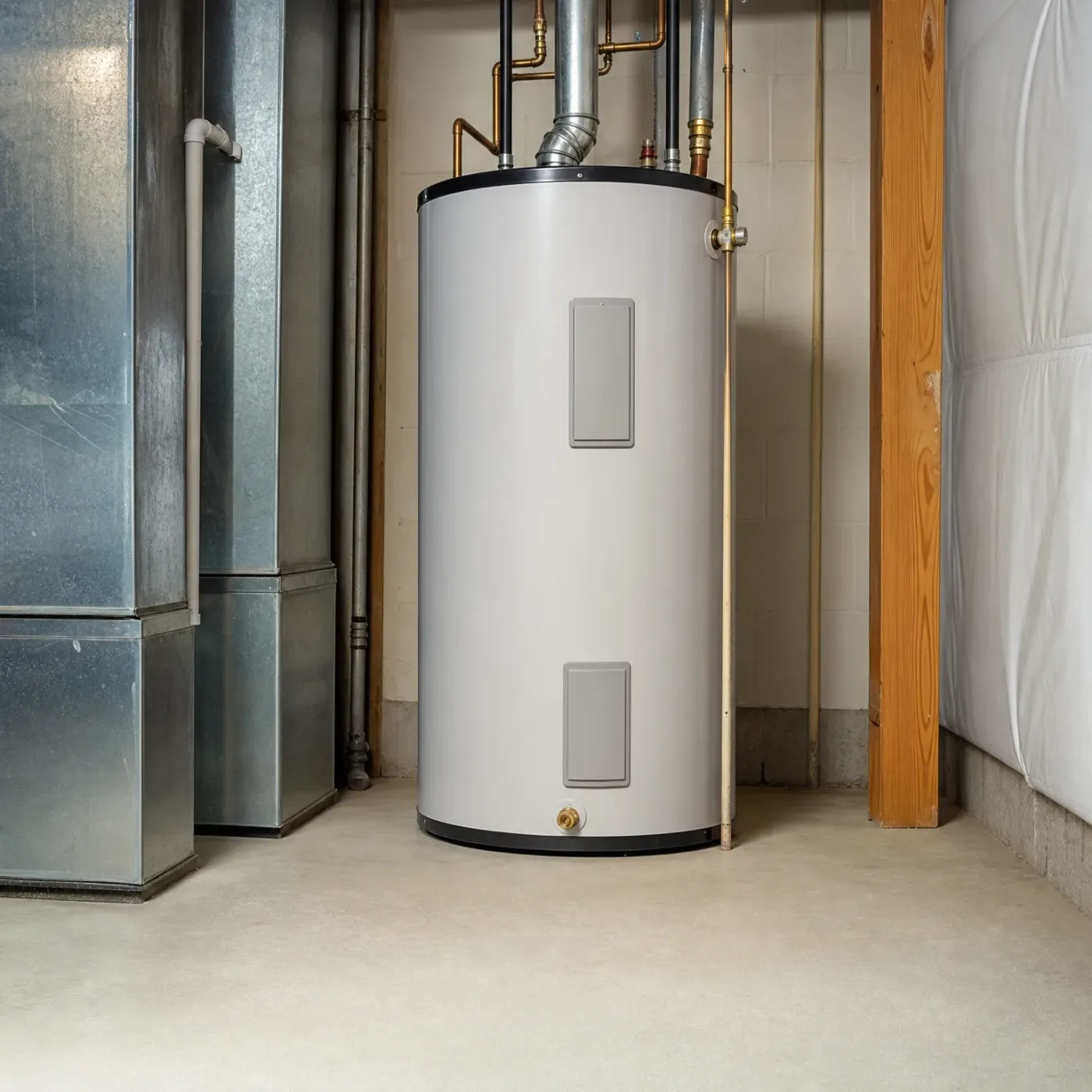
A gray cylindrical electric water heater with two access panels stands in a corner of a room with a concrete floor, connected to overhead pipes and a white drain pipe, beside a plain light-colored wall.

What a failing element feels like

Gas water heaters here use a burner at the bottom of the tank, not an electric element, but the sediment problem is the same. Well water and city water both carry minerals, and over years they settle to the bottom of the tank. That layer sits between the burner and the water, so less heat actually gets through. The tank still fires the same as always. It just can't bring a full tank up to temperature before the burner shuts off, which is why the hot water runs out faster than it used to.
A tall cylindrical water heater with copper and metal pipes at its top stands against a plain beige interior wall on a concrete floor, beside ductwork and a raised concrete step.

Why the shower runs cold sooner

A 40 or 50 gallon tank was sized for a certain number of showers back to back, and that number doesn't change as the house changes. If someone added a bathroom, or the household just has more people running water at once, the same tank is working against more demand with no more capacity. That shows up fastest in winter, when incoming water off the main is already cold and the burner has to work harder just to hit the same setpoint.

Flush It or Find the Real Problem

Sediment Flush

  • Clears out the layer of minerals sitting on the bottom of the tank that's eating into your hot water supply.
  • Gets the burner heating the water directly again instead of heating through a layer of buildup first.
  • Worth doing first if the tank is a few years old and this is the first time you've run short.
  • Doesn't fix a bad thermocouple, a failing gas valve, or a burner that isn't sizing the flame right.
  • A local plumber who flushes tanks all winter in North Dakota can tell from the water how bad the buildup is.

Full Diagnostic

  • Checks the burner, the thermocouple, the gas valve, and the dip tube, not just the sediment.
  • Needed if you've already flushed the tank and you're still running out of hot water early.
  • Finds a cracked dip tube, which lets cold water mix straight into the hot water instead of sinking to the bottom to be heated.
  • Catches a burner that's not reaching full size, which means the water never gets fully up to temperature.
  • One licensed plumber working your actual tank beats guessing between a flush and a part replacement on your own.
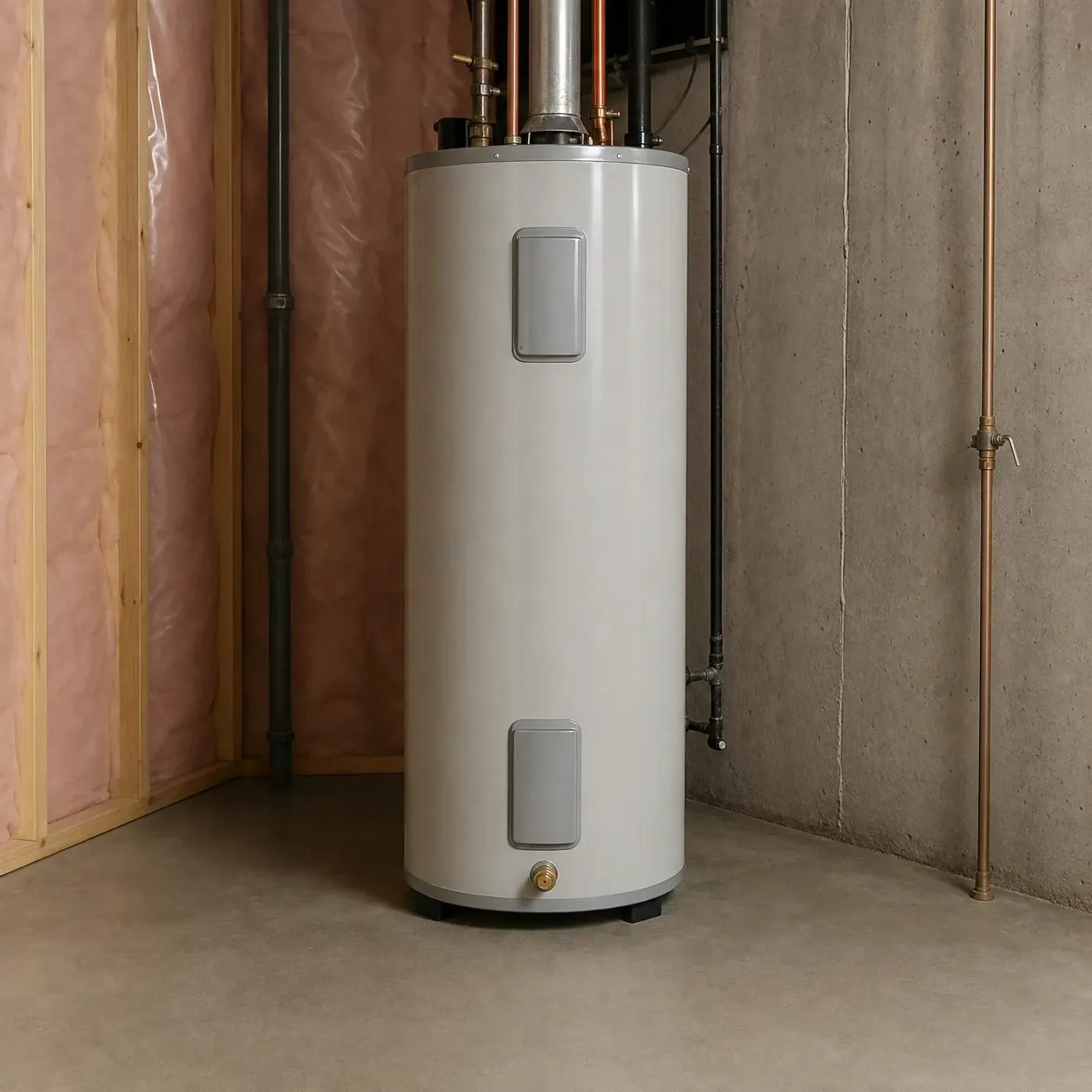
A white cylindrical water heater with two access panels and a brass drain valve stands on a concrete floor in a basement corner, beside a pink-insulated stud wall and a concrete wall with copper and black pipes.

Tank heating properly

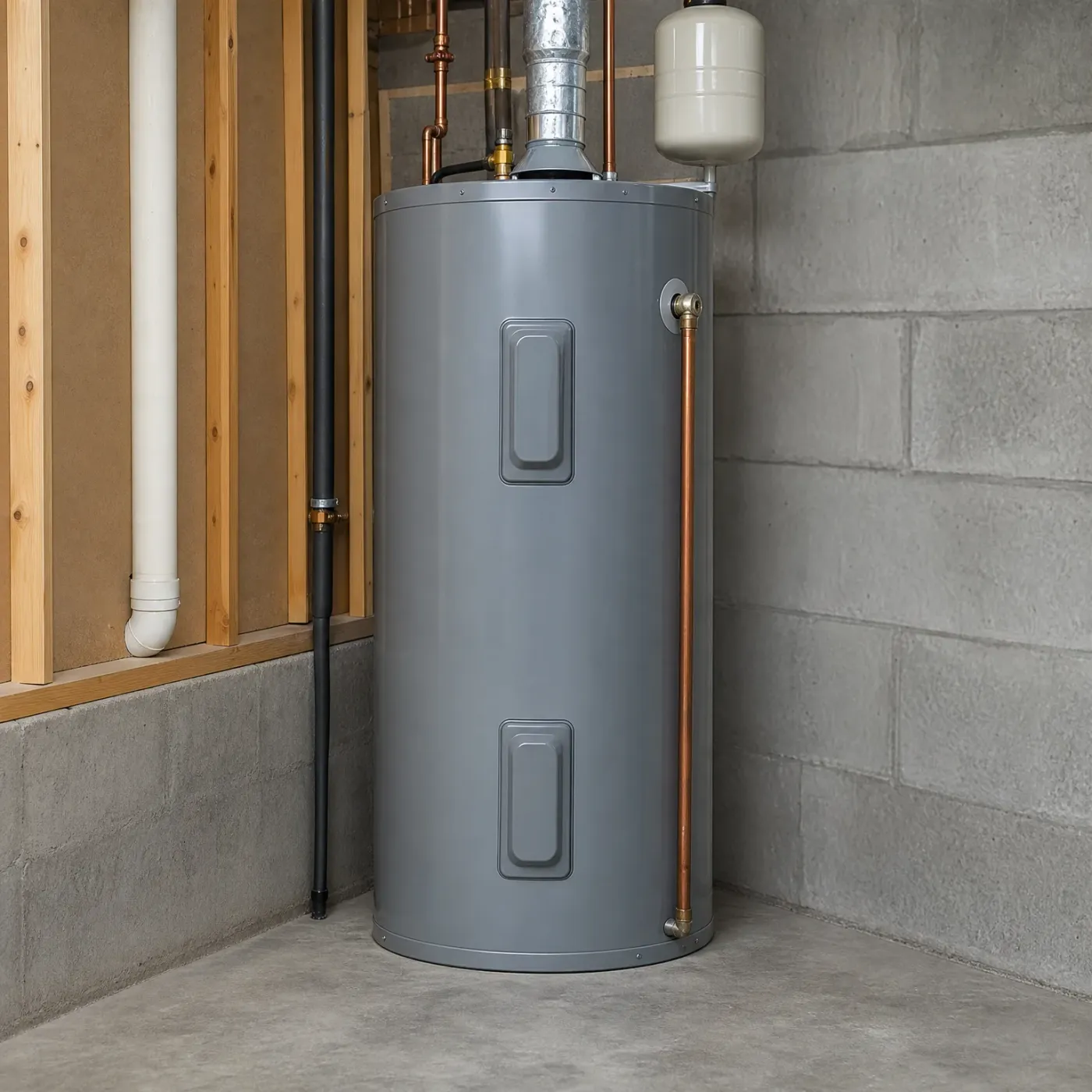
This is what a water heater should look like: clean connections, a dry floor, no rust creeping up the tank. One with a sound element or burner heats the full tank, so what you set the thermostat to is what you actually get out of the tap.

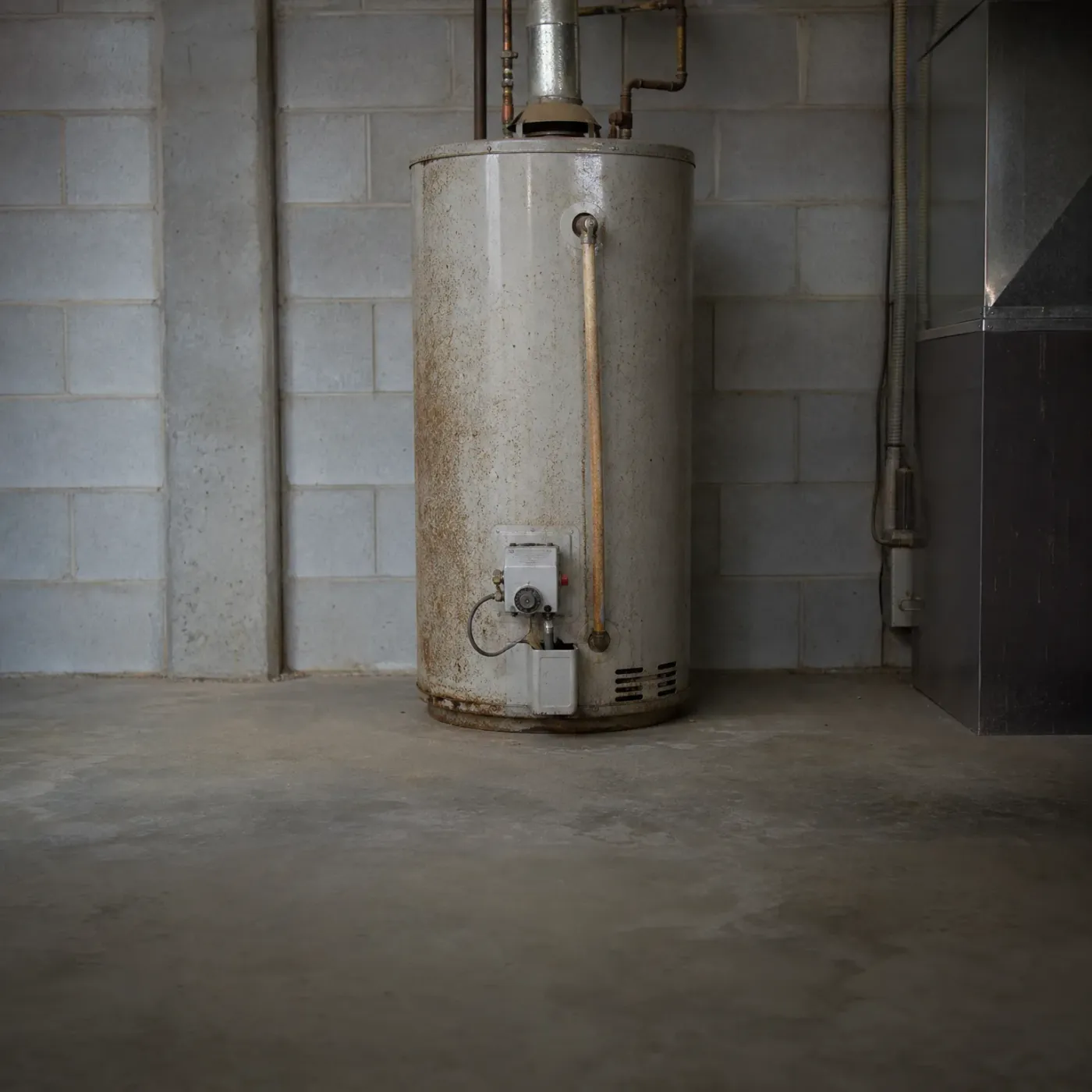
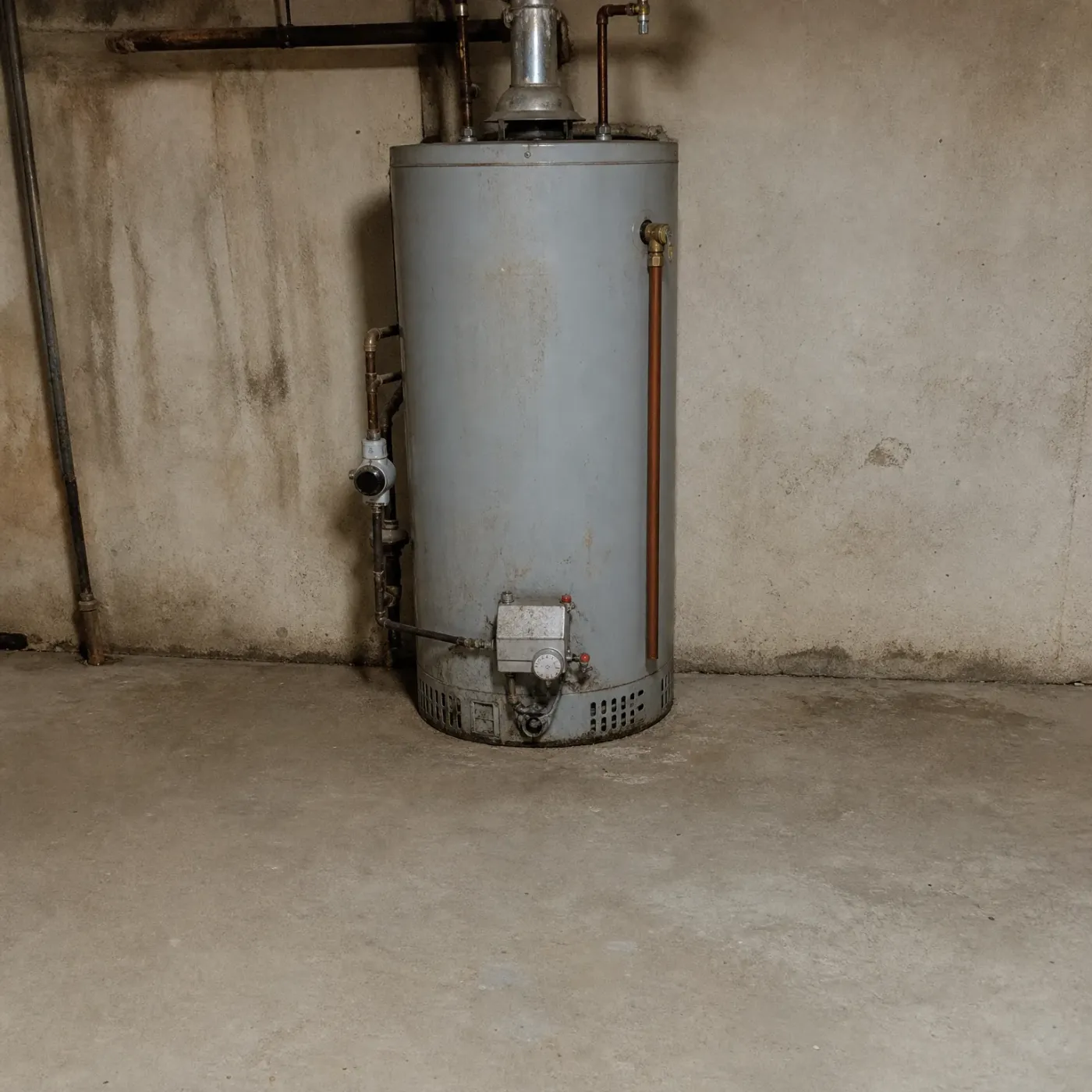
A rusted gas water heater with a flue pipe stands against a concrete block wall on a bare concrete floor, next to a dark metal duct or furnace cabinet at right.

Tank past its life

Rust like this on the tank itself, not just the fittings, means the steel is failing from the inside. A unit in this shape is losing capacity before it quits altogether, and that's often behind hot water that runs out faster than it used to.
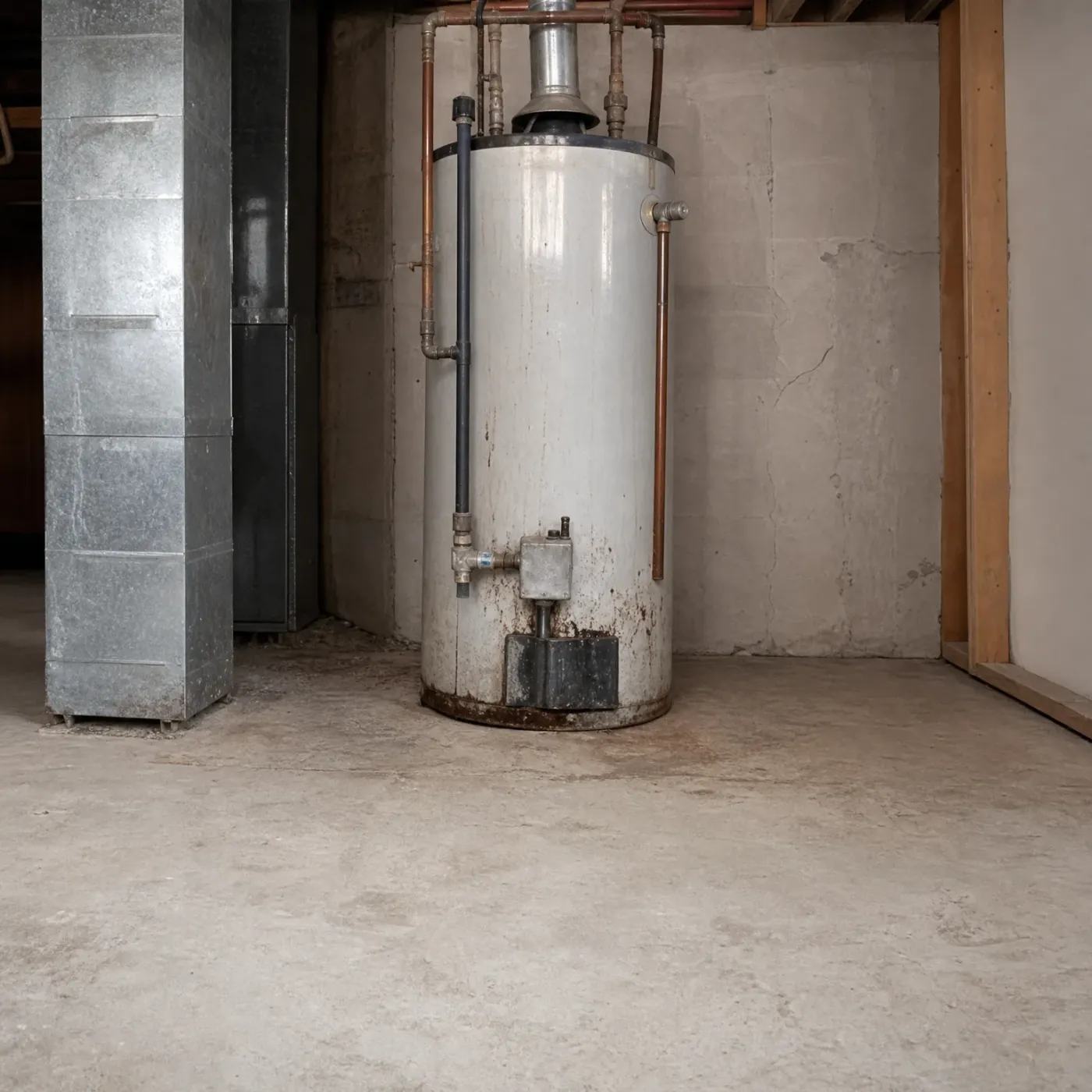
An old rusting cylindrical gas water heater with copper and steel pipes and a flue stands against a concrete basement wall beside metal ductwork on a bare concrete floor.
Before you get your water heater repair
A gray cylindrical water heater with copper piping and an expansion tank stands in a basement corner beside a concrete block wall and exposed wood framing.
After you get your water heater repair

Skip calling around

Only one pro gets your request, so you hear from one company.

Sending the form costs nothing.

How your gas tank actually heats water

  • Gas water heaters pull cold water into the bottom of the tank while the burner heats from below, so the hottest water sits on top near the outlet.
  • A thermocouple or flame sensor keeps the pilot or burner running, and a weak one can shut the burner down without you noticing right away.
  • The dip tube feeds incoming cold water to the bottom of the tank, and a cracked one lets cold water mix in near the top where the outlet draws from.
  • The thermostat reads the water temperature near the bottom third of the tank, not at the top, so a sediment layer there throws off the reading.
  • Recovery time, how long the burner takes to reheat a full tank after it's drained, depends on burner size and how much sediment sits between the burner and the water.
  • Gas burners heat faster than electric elements, so a gas tank running short on hot water usually points to buildup or a part failing rather than a slow burner.

Cold water comes into the tank through the dip tube, which runs it down to the bottom where the burner can heat it. The burner sits underneath the tank, and as it fires, the heat rises up through the water, so the top of the tank is where the hottest water collects, right near the outlet that feeds your fixtures. That's why a tank can seem fine for the first several minutes of a shower and then turn cold fast, rather than gradually losing heat.

The thermostat that controls the burner is mounted low on the tank, reading the temperature of the water down near the bottom third, not what's coming out the top. If sediment has built up down there, the thermostat is reading through that layer, and it can call for heat less often than it should, or shut off before the water above it is actually hot.

A cracked dip tube causes a different problem. Instead of cold water going straight to the bottom, it leaks out partway down the tube and mixes into water that's already heated, cooling it off right before it reaches the outlet. And if the thermocouple or flame sensor is weak, the burner can shut down mid cycle without warning, which cuts your recovery time short no matter how clean the tank is underneath.

A white cylindrical water heater with two access panels stands on a concrete floor in a basement corner, beside galvanized ductwork, copper and metal pipes, a wooden post, and a concrete block wall.
Clean connections at the top, a dry floor underneath, no rust working its way up the side.
An older gray cylindrical gas water heater with copper and steel piping and a flue, standing on a concrete floor against a stained concrete wall.
A flue vent that's rusted through or a gas control unit that's corroding means the tank is on its way out, not just low on hot water.
A man with grey hair and stubble in a dark sweater sits on a grey sofa indoors, looking off to the side, with a potted plant and a sunlit window behind him.
A man with gray hair, a beard and glasses, wearing a dark green sweater, sits on a gray sofa in a sunlit living room with a potted plant, table lamp and wooden sideboard behind him.
A middle-aged man with graying hair and a short beard sits on a blue sofa in a living room, looking toward a window, with a bookshelf, lamp and framed picture in the background.
A man with graying curly hair and a dark green sweater sits on a gray sofa in a sunlit living room, looking off to the side, with a framed picture, shelving, an armchair and a window with sheer curtains behind him.

What are you noticing around the water heater itself

Look at the tank itself, not just the shower. A low rumbling or popping sound when the burner's running means sediment is shifting around at the bottom. The recovery time between showers stretches out longer than it used to. Some households notice the water looks slightly rusty or smells off when it first runs hot. Check the floor around the base of the tank for any dampness, and look along the top connections and up the side for rust starting to form. Left alone, a tank working harder than it should wears out faster, and a small rust spot or a loose fitting can turn into a leak that damages the floor or whatever's stored nearby.

A woman with shoulder-length brown hair wearing a beige knit cardigan sits in a gray upholstered armchair near a window, looking off to the side with a slight smile, with bookshelves blurred in the background.
A woman and a sleeping child wrapped together in a cream knitted blanket on a couch, with a potted plant, framed photo and lit lamp in the background.

41.3% of homes statewide heat with gas

Most homes around you run on gas, and yours probably does too. Gas burners heat the tank faster than an electric element can, so running out fast usually isn't the fuel. It's more likely sediment on the bottom of the tank or a burner that isn't getting a full flame.

ACS 2020-2024 5-year B25040

Running out of hot water fast almost always comes down to sediment on the bottom of the tank or a burner that isn't firing the way it should, and both are things a licensed plumber can check in one visit. You don't need to call around to find someone who knows gas water heaters. A local plumber who works on these tanks all year, through North Dakota winters when the hot water gets used hardest, has seen this exact problem plenty of times and knows what to check first. One contractor means one visit, one person looking at your tank, not a string of calls to sort through. They'll flush the tank if that's what it needs, check the burner and the thermocouple, and tell you straight if the tank itself is on its way out. Either way, you'll know what's actually wrong instead of guessing at thermostat settings and shower schedules.

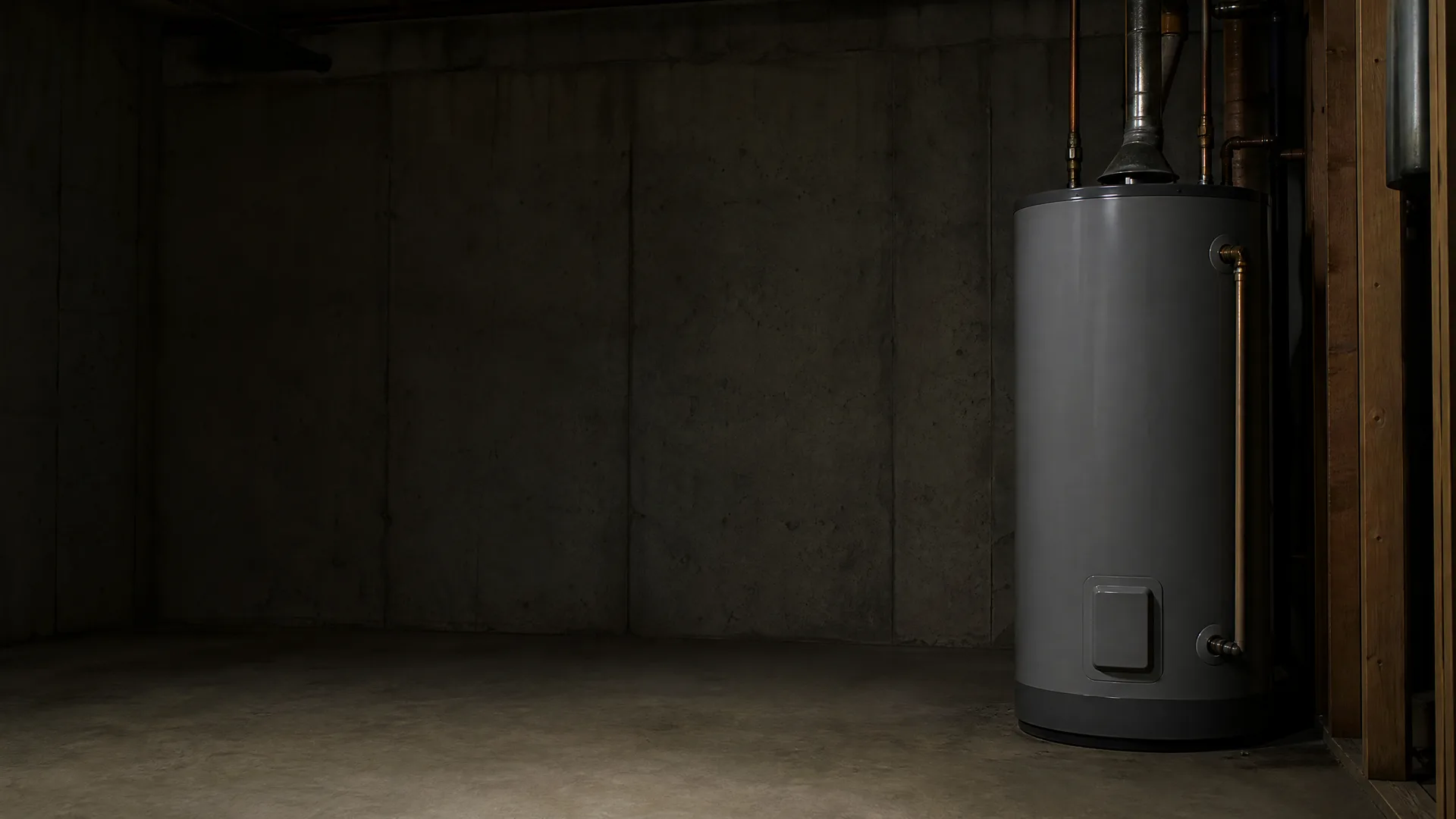
A gray cylindrical water heater with copper pipes and a metal flue stands against a concrete wall in a dim basement with a bare concrete floor.

Describe it once

Your request stays with one local pro.

Step 1 of 3: Equipment