

Working the way it should
A gas water heater like this one heats steadily and holds that heat until the tap calls for it. The burner fires, runs its cycle, and shuts off. Water coming out of the tap stays hot from the first minute to the last.
One request and the search for a pro is handled.
Let a pro reach outYou turn on the tap and the water gets warm but never hot, or it starts hot and fades fast. With a house full of people counting on showers and dishes getting done, lukewarm water is a daily problem, not an occasional annoyance. It usually comes down to one part of the water heater not doing its job anymore, and which part depends on whether you've got gas or electric.
Most water heaters in North Dakota run on gas, and lukewarm water from a gas unit usually means the burner isn't putting out full heat, or the thermostat controlling it has drifted low. On an electric unit, one of the two heating elements can fail while the other keeps working, which gives you some warm water but never a full hot tank. Sediment built up at the bottom of the tank also steals heat before it reaches your taps. Any of these gets worse under heavy use, so a houseful of people running showers back to back will notice it faster than someone living alone. The fix depends on which part has failed, and that's a job for a licensed tech to diagnose rather than guess at.
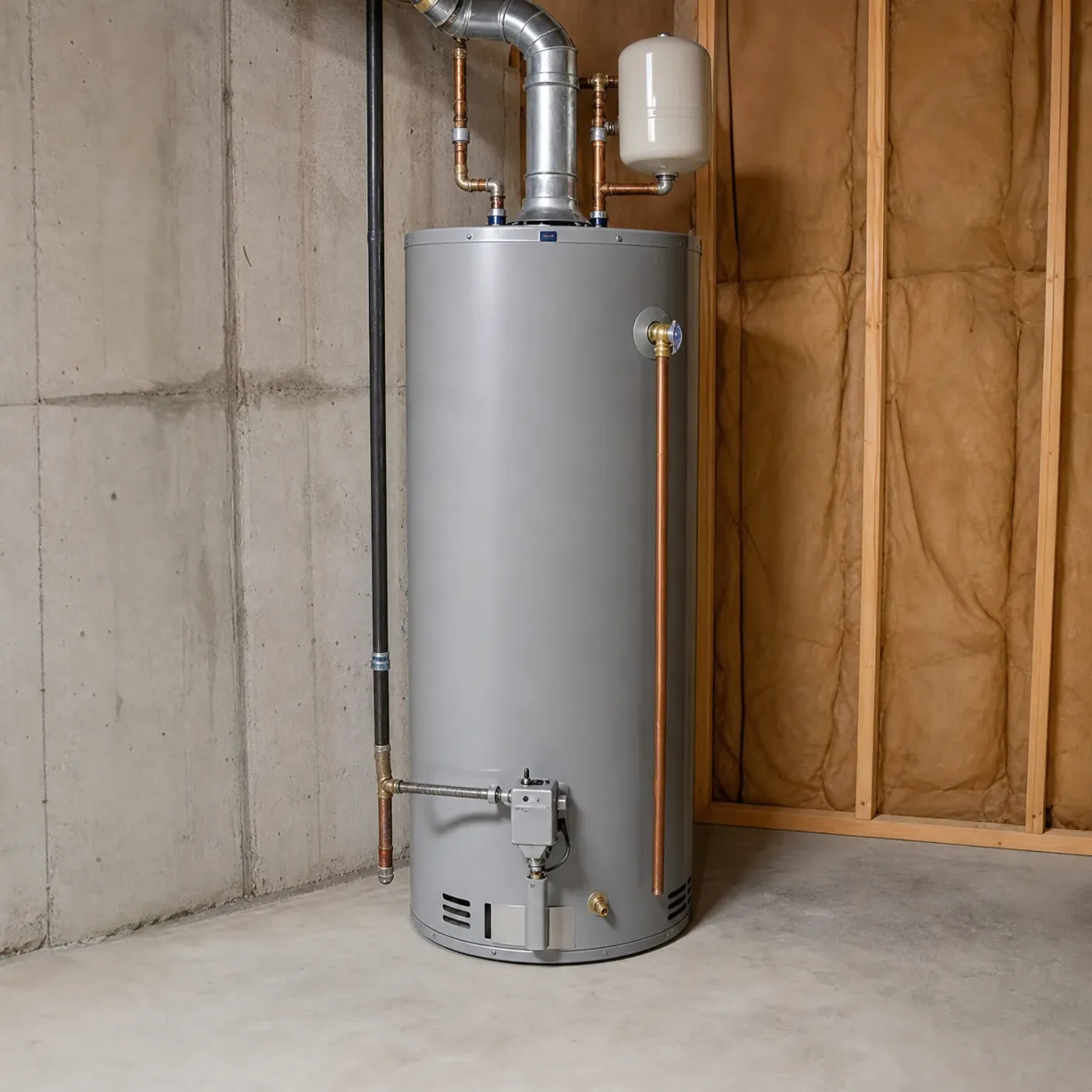
A gas water heater like this one heats steadily and holds that heat until the tap calls for it. The burner fires, runs its cycle, and shuts off. Water coming out of the tap stays hot from the first minute to the last.
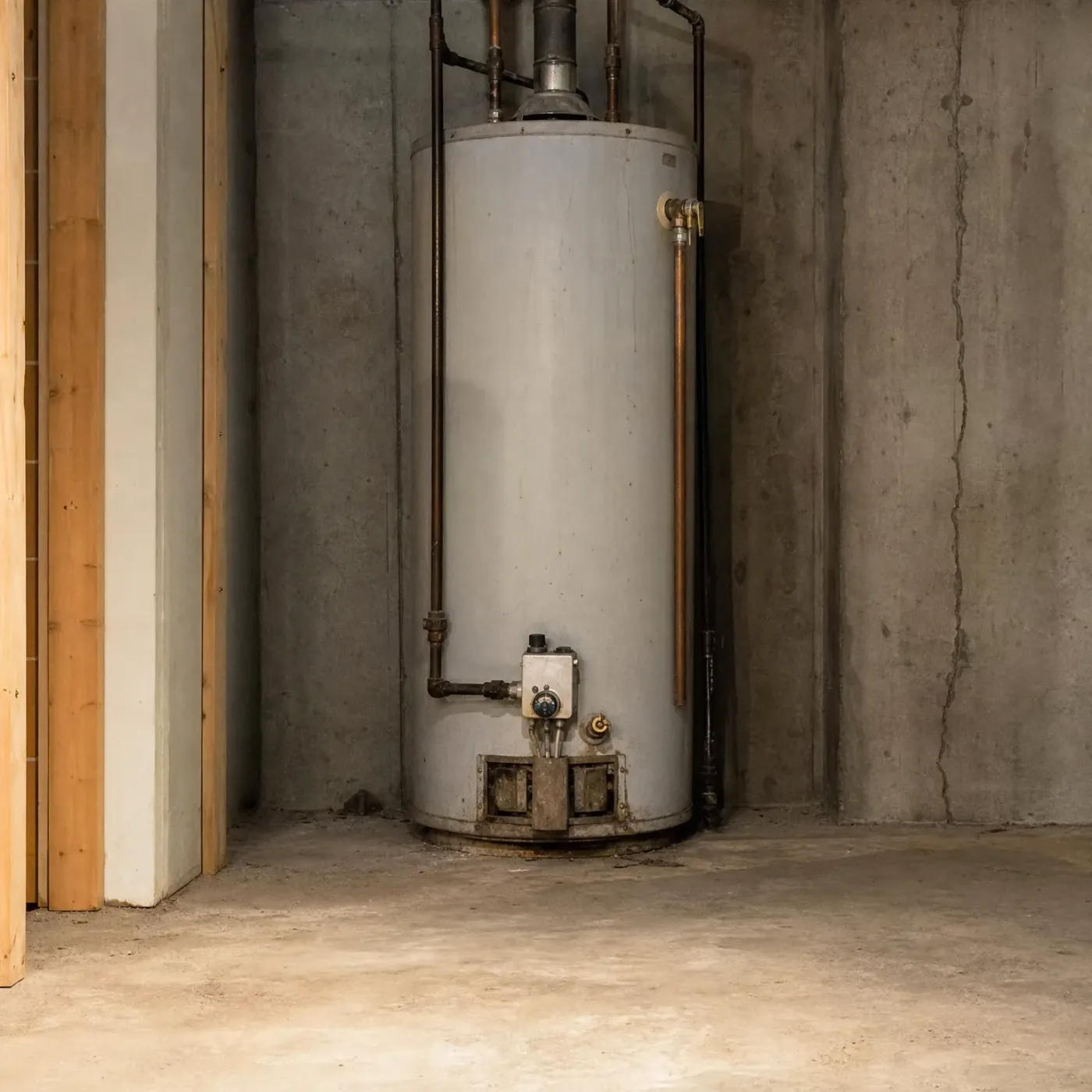
A dial at the base of the tank controls gas to the burner, and when it's worn or set wrong, the burner can't keep up with demand. An older tank like this one has also had more time for sediment to build up on the bottom, which gets between the burner and the water and cuts into how much heat actually reaches the tap.




A burner that cuts out partway through a tank cycle usually means a failing thermocouple or gas valve. It gets worse before it gets better.
North Dakota water running through a gas tank for years builds a layer on the bottom that blocks the burner from heating the water above it.
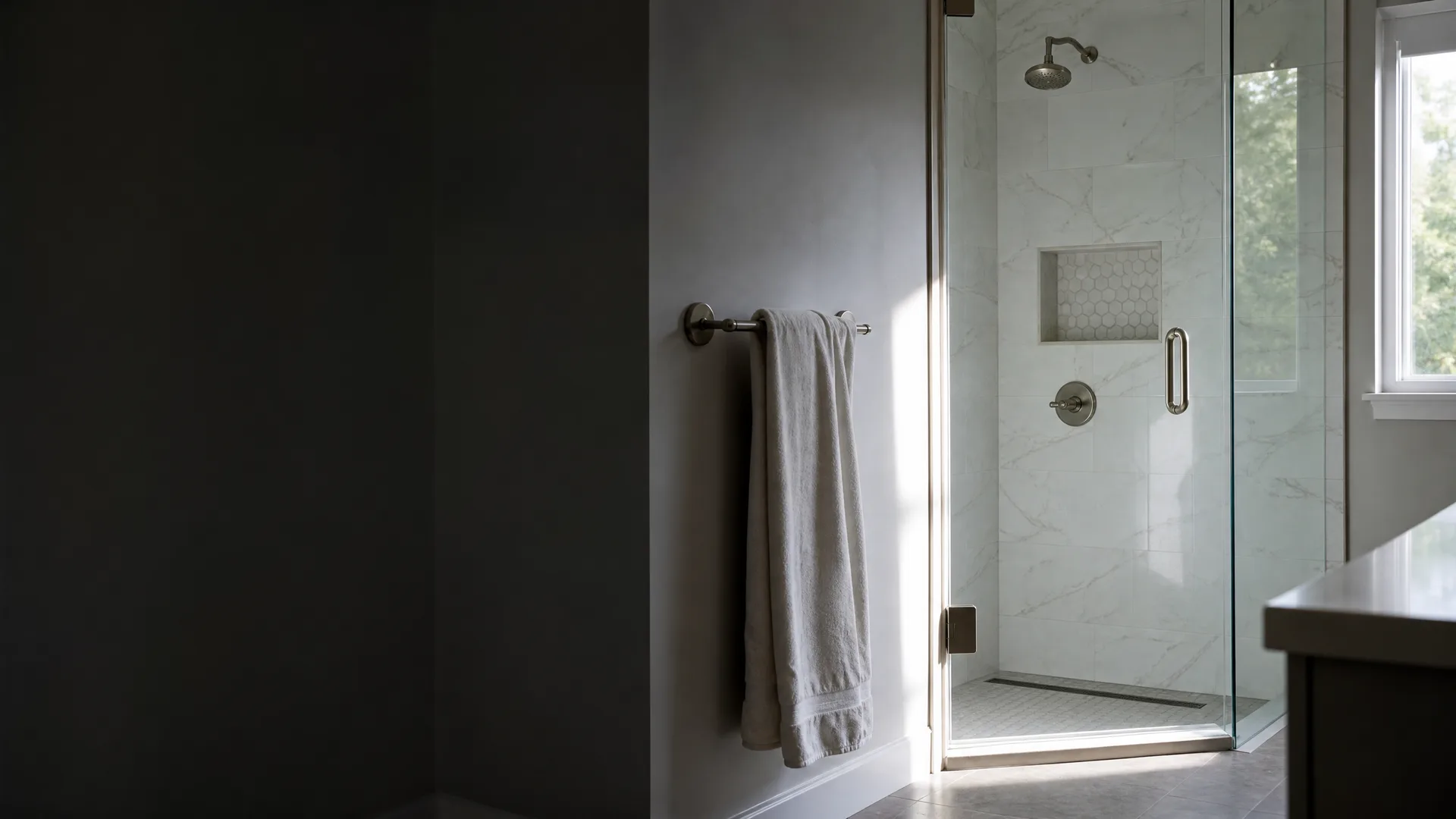
You're up before the rest of the house, the way most weekday mornings go. The bathroom's cold enough that you want the shower running hot before you step in, so you start it and head to get a towel. When you come back there's no steam on the mirror. You test it with your hand and it's just warm. You wait, thinking the gas valve needs another minute, but it doesn't change. The towel's still folded on the rail, not pulled down yet, because you haven't gotten in. Outside it's still dark, the kind of North Dakota morning where the house itself holds the only warmth you're going to get, and now even that's not working right.
A failing thermocouple, a cracked dip tube, a tank packed with sediment all show up the same way: water that won't get past warm. Guessing which one it is and buying the wrong part is how a lukewarm shower turns into a weekend without hot water at all. Gas is how most homes here heat water, and a gas tank has its own way of failing that a plumber used to electric units won't catch as fast. You want someone who works on gas water heaters around North Dakota through the winter and knows which part usually goes first when a tank starts fading like yours. Sending the request puts that in front of one local contractor, not a handful of them calling you back at once. You stop running tests on your own schedule and start waiting on someone who already knows what to check first.
Fixing it yourself means draining the tank, maybe pulling the burner assembly, maybe ordering a thermocouple that turns out to be the wrong part. A day lost for a guess.
A local contractor who services gas water heaters all year already knows what fails first in tanks running on North Dakota's water. One call, one visit, the right part the first time.
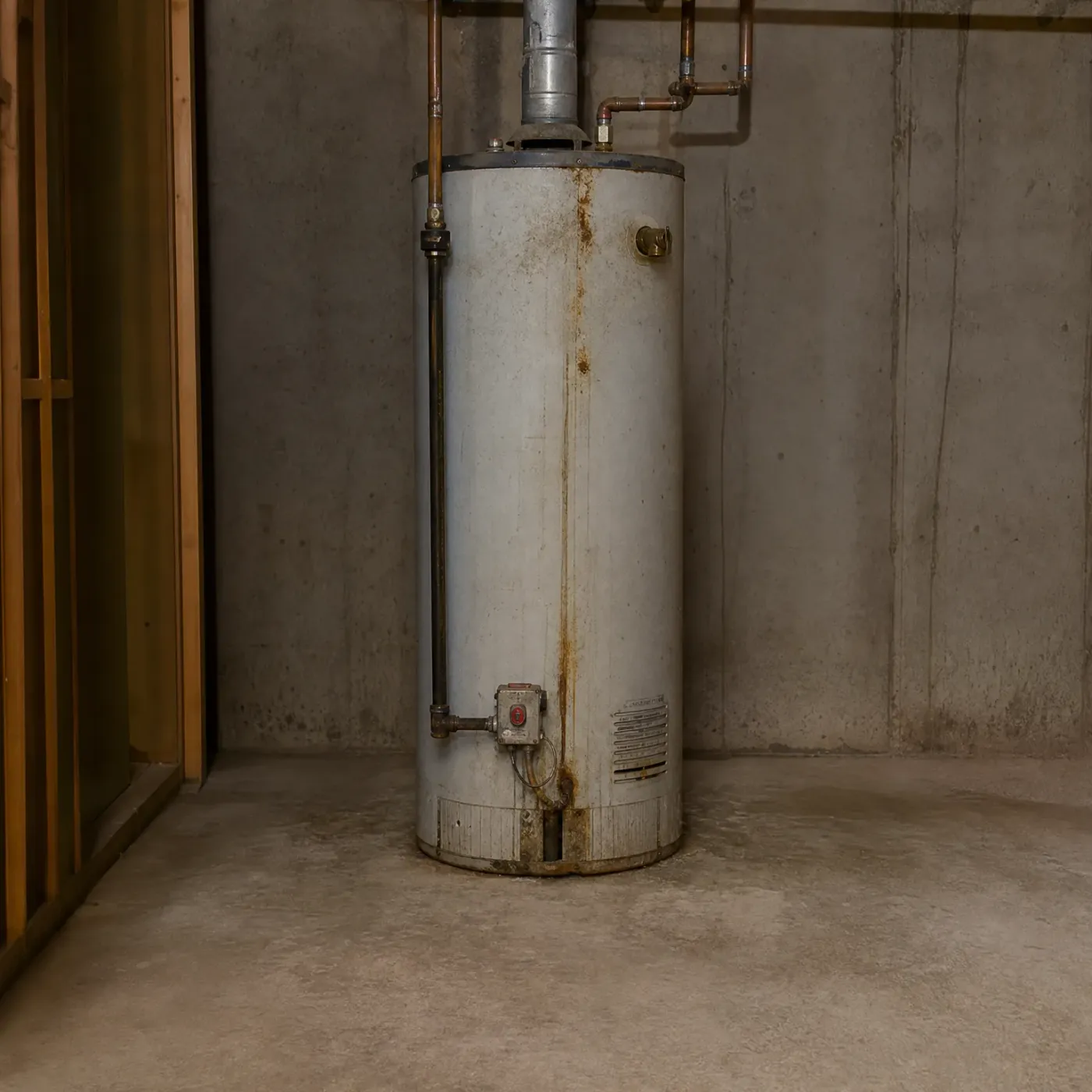
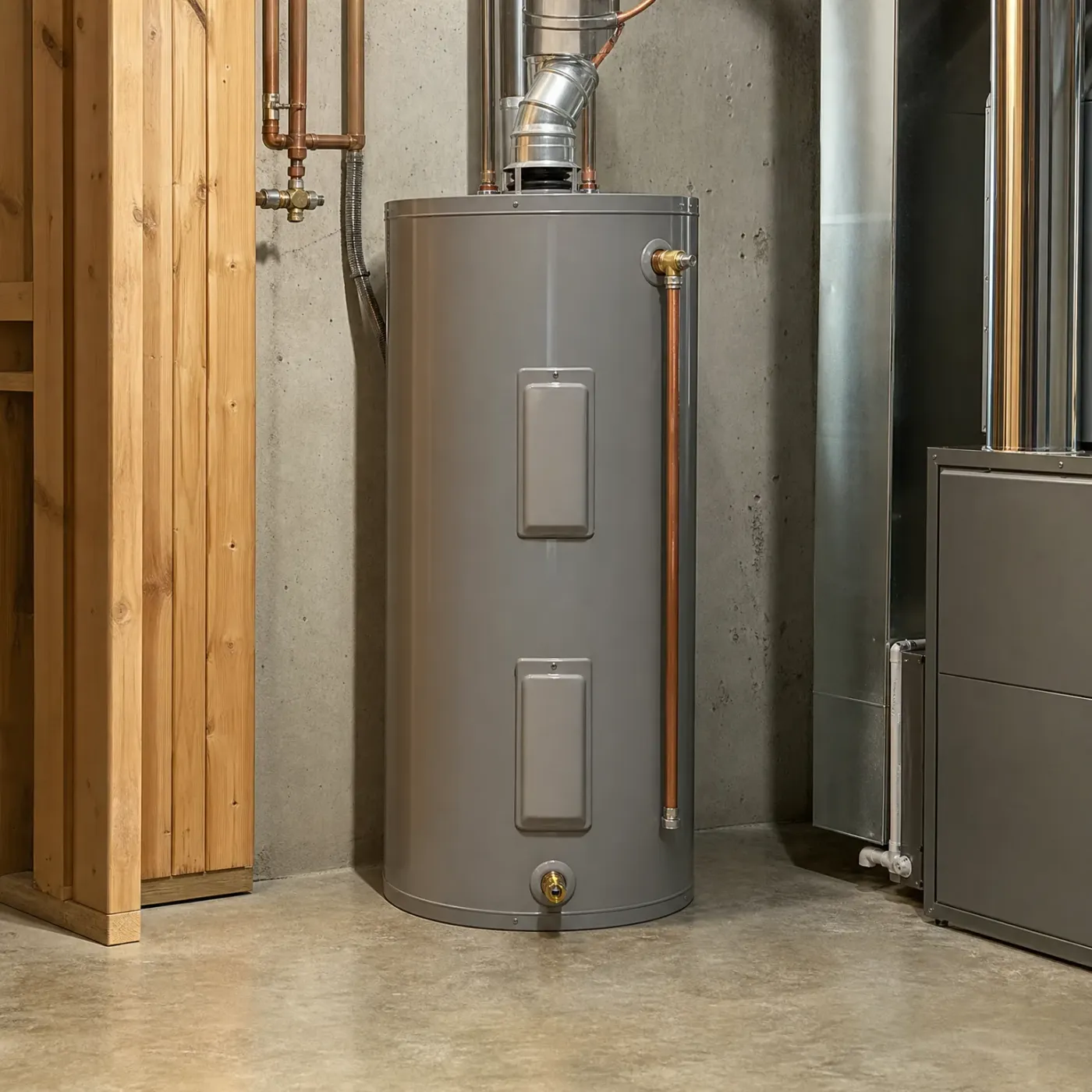
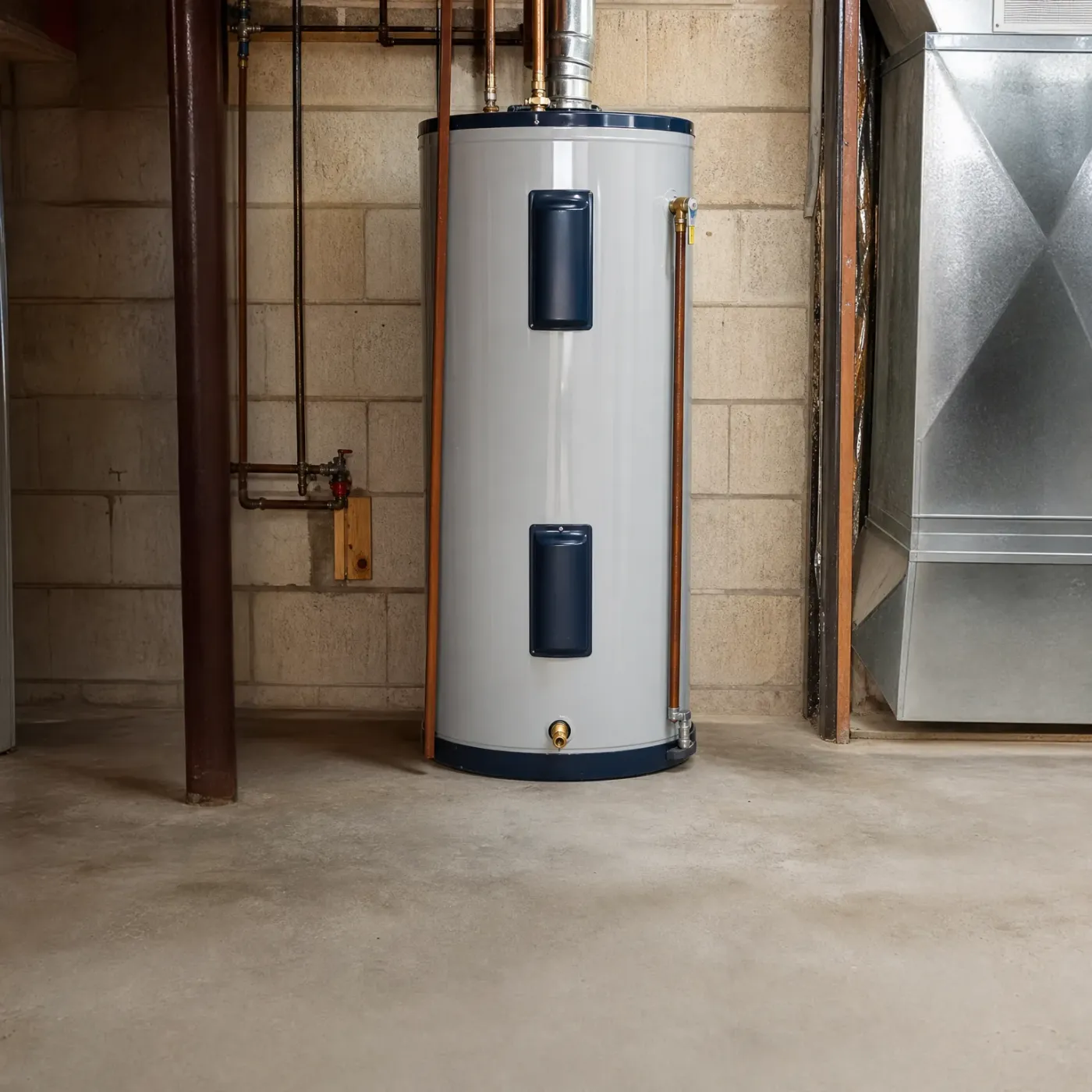
A water heater like this one, clean connections, no rust on the tank, holds its heat and delivers it on demand. The burner or element cycles on, brings the tank back up to temperature, and shuts off. Hot water at the tap stays hot until you're done with it.
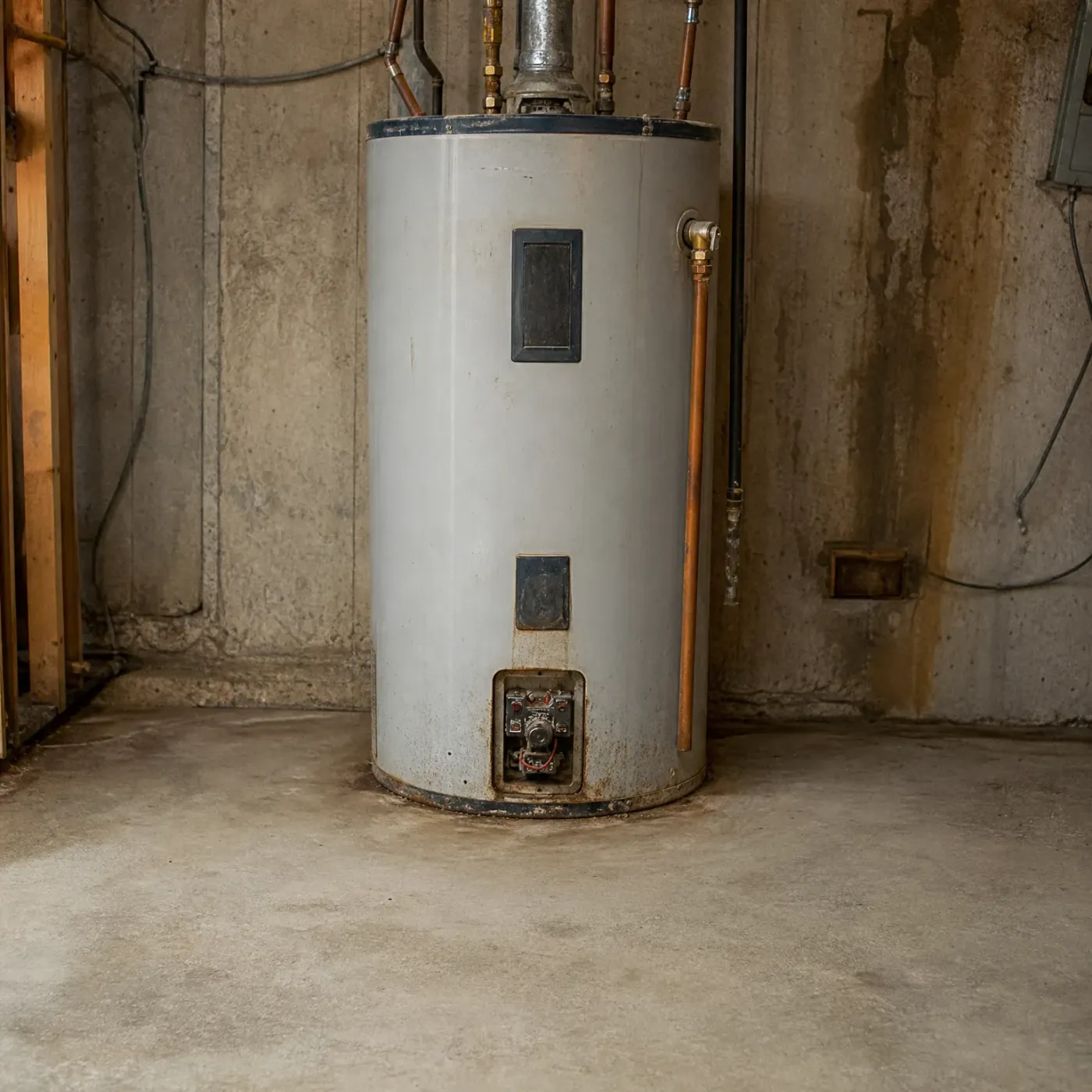
Rust on the jacket and around the access panels means the tank's been fighting corrosion for a while. Once rust reaches the surface, it's usually further along inside too. A tank in this shape is more likely to be the reason your water won't get past warm.
Most houses in North Dakota run their water heater off the same gas line that feeds the furnace. The burner underneath the tank works the same way all year, so a bad thermocouple or a dirty burner shows up as cold water in July the same as it does in January.
ACS 2020-2024 5-year B25040
Warm water that won't turn hot comes down to a short list of parts: the thermocouple, the dip tube, or sediment sitting on the tank bottom. None of those fix themselves. A thermocouple that's failing gets worse each time the burner cycles. Sediment packs in tighter the longer a tank sits unflushed. Waiting doesn't buy you anything except more cold mornings.
A gas water heater working the way it should brings the whole tank up to temperature and keeps it there, no matter how many people in the house still need a shower. That's the standard to check your own tank against, and it's what a contractor is restoring when the repair is done right.
Someone who services gas tanks here all winter and all summer has likely already run into the part that's giving you trouble. Gas water heaters in North Dakota work off the same line as the furnace, year-round, so the failures repeat. That experience is what you're getting matched with, one contractor, not a handful of bids from companies guessing over the phone before they've seen the tank.
Most of the time this ends with the tank opened up, not hauled out to the curb. A burner cleaned, a thermocouple swapped, a dip tube replaced. Once someone who works on these units regularly takes a look, the fix tends to be smaller than it feels at six in the morning with no hot water.
Only one pro gets your request, so you hear from one company.