 Hand it off
Why your water heater makes popping noises in North Dakota
Send the request today and stop worrying about who to call.
That popping or rumbling from your water heater is sediment. Most homes on gas water heaters here build up a layer of mineral sediment on the bottom of the tank over time, and the water trapped under it boils and pops as the burner fires. It's not dangerous in the moment, but it means the tank is working harder than it should, and it's a sign worth paying attention to.
You don't have to figure out what's going on inside the tank yourself. A plumber can drain and flush it, check the burner and the anode rod, and tell you whether the noise is routine buildup or something further along, like a tank that's starting to fail.
Finding that plumber is usually the part that eats your evening. Looking up who works on water heaters around North Dakota, calling a few, explaining the popping noise again to each one, then sitting with quotes trying to compare them when none of them inspected the same thing. That's the part this page skips.
Send the form and that search is done. You're not the one calling around anymore, not the one repeating yourself to three different answering services. A licensed plumber gets your information and the job of finding help is off your plate.
Power here is cheap and most homes heat with gas, so a water heater that's working harder than it needs to because of sediment buildup is burning gas it doesn't have to. Left alone long enough, that buildup can also wear at the tank itself.
The popping will tell you something is building up in there. What to do about it, and whether it's a quick flush or more, is worth having someone look at directly rather than guessing from the sound alone.
The popping gets louder as the sediment layer gets thicker, because there's more water getting trapped and boiling underneath it each time the burner kicks on. Most municipal water here carries enough minerals that this builds up over years without anyone noticing, until one evening the tank starts sounding like it's full of gravel. Left alone, that layer makes the burner work harder to heat the water above it, and it can scorch the bottom of the tank from underneath, which shortens the tank's life. The noise itself won't hurt you. What it's telling you is that the tank needs to be drained and flushed, and if the sediment has sat there for years, a flush alone may not clear it. A plumber can check how bad the buildup is and whether the tank is still sound underneath it.
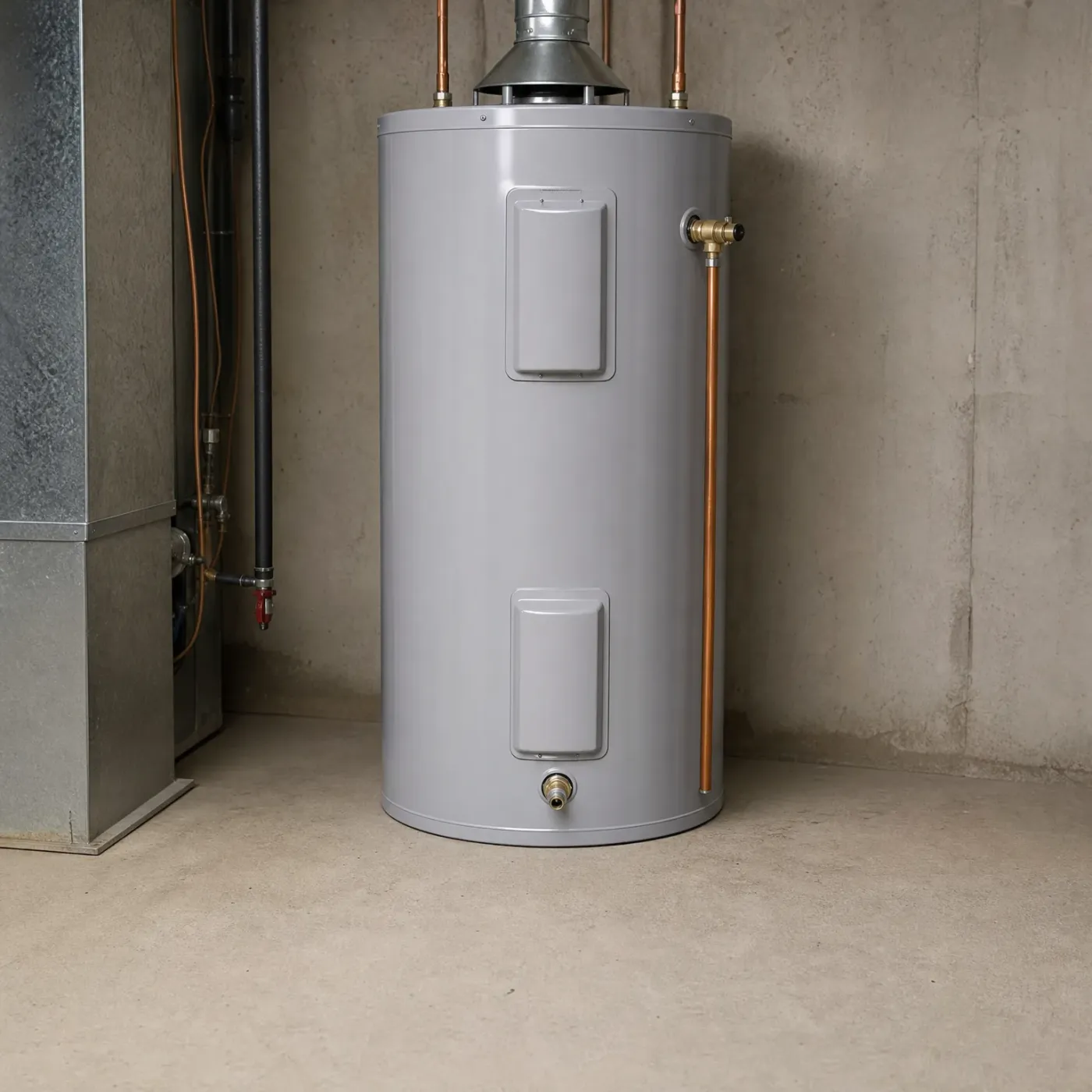
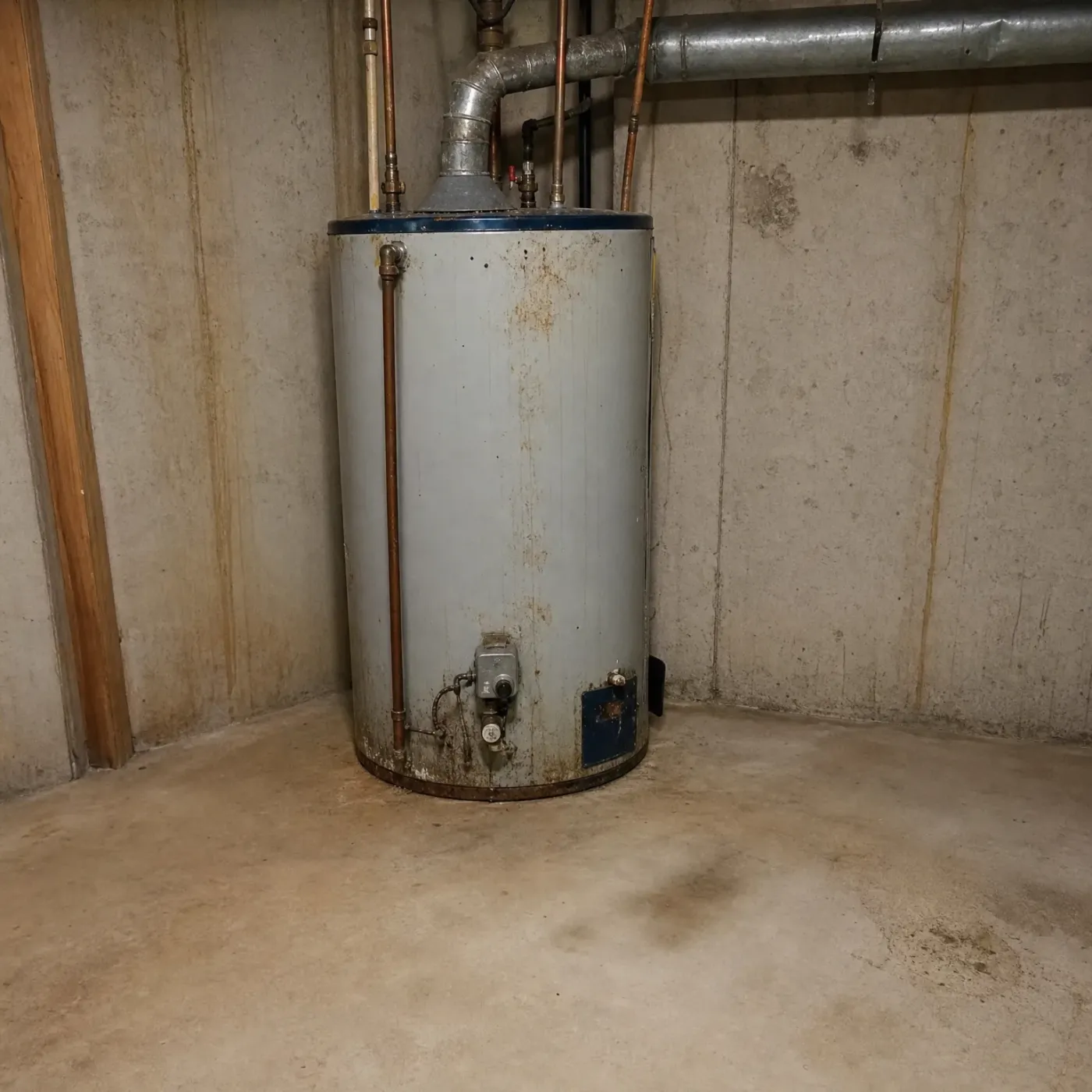
The burner on a gas water heater sits underneath the tank, not beside it. When sediment collects on the bottom, the flame has to heat through that layer before the water above it ever warms up. Water gets trapped in the small gaps between the sediment and the steel, and it heats faster than it can rise and escape. That water turns to steam, and the pockets burst or collapse as the burner cycles on and off to hold the set temperature. That's the popping. It comes in bursts because the burner itself fires in bursts, not as one continuous flame. None of this means the tank is cracking or about to fail. It does mean the burner is working harder than it used to, since the sediment is sitting between the flame and the water it's supposed to be heating. The layer builds from the bottom up over time, so the sound usually starts faint and gets more noticeable the longer it goes unaddressed.
What's Actually Happening Inside the Tank
- The burner sits under the tank, and the heat has to pass through that sediment layer before it reaches the water above it.
- Water trapped in the gaps between the sediment and the steel heats faster than it can escape, so it turns to steam in small pockets.
- Each pocket collapses or bursts as the burner cycles, and that's the pop you're hearing, not the tank itself cracking.
- A gas burner fires in short cycles to hold the set temperature, so the popping comes in bursts rather than one steady sound.
- Sediment insulates the steel from the flame, so the burner has to run longer to get the same amount of hot water out.
- The layer builds from the bottom up, so the popping usually starts quiet and shows up more as the months go on.




Hand off the water heater problem
The popping will keep happening every time the burner fires until that sediment is flushed out or the tank is replaced, and leaving it just means more mineral buildup sitting on the bottom of the tank, working against the burner. A gas water heater forcing heat through a layer of sediment is working harder than it needs to, and that shows up on your gas bill even with rates here as low as they are. Figuring out whether a tank just needs a flush or is far enough along that replacement makes more sense means someone looking at the rust, the age, and the tank itself in person. That's not something to sort out by calling around to a handful of plumbers, describing the same popping noise each time, and waiting on quotes to compare. Send the request once and let a licensed contractor who works on water heaters in North Dakota take it from there, so you're not the one tracking down who's available and who isn't.
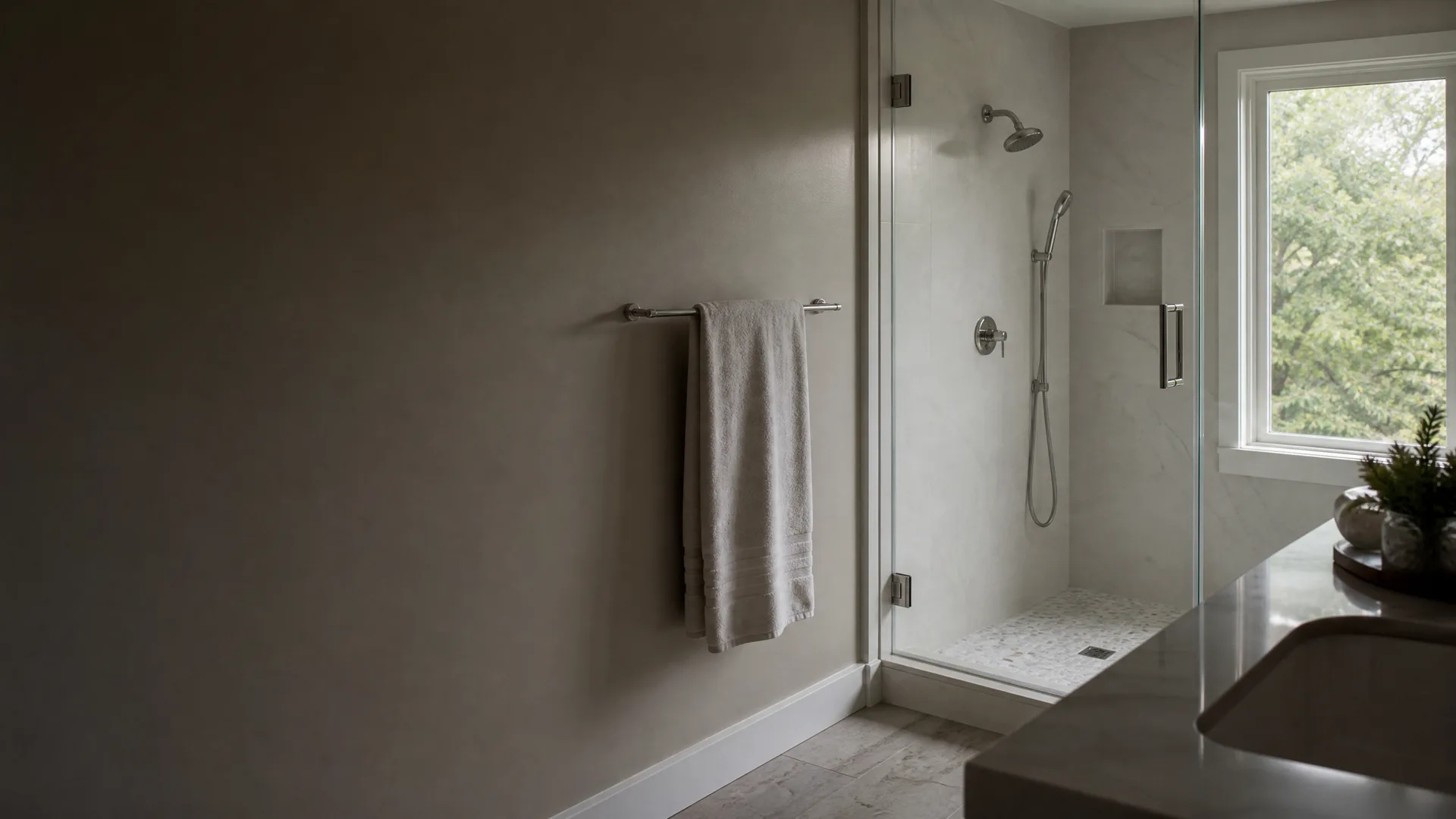
The shower's been running two minutes and there's still no steam on the mirror. You came in early, before work, towel already off the rail, and now you're standing there waiting for the water to turn over from cool to warm. Downstairs the water heater pops twice, then a third time, loud enough to hear through the floor. It's been doing that for a few weeks now, a little louder each time. You test the water again. Still not hot. Outside it's just starting to get light, the kind of flat gray morning North Dakota gets more of than not, and you're going to be late if this takes much longer.
41.3% of homes statewide heat with gas
Most houses in North Dakota run gas to the water heater, same as the furnace. That burner cycles on and off all day to keep the tank hot, and every cycle is another chance for trapped water under the sediment to pop.
ACS 2020-2024 5-year B25040
What the popping tells you
- Popping from a gas water heater means sediment has built up on the bottom of the tank.
- The noise gets louder over time as the layer thickens and traps more water under it.
- A clean-looking tank can still pop, so the sound alone doesn't tell you the tank is failing.
- Rust reaching the floor or the base is a different problem, and a sign the tank is near the end.
- The popping stops only when the sediment is flushed out or the tank itself is replaced.
- Every burner cycle on a gas tank is another chance for trapped water to boil and pop.
Sediment is the reason for the noise. Gas water heaters here fire the burner underneath the tank, and over years the minerals in municipal water settle into a layer on the bottom. Water gets trapped in that layer, turns to steam when the burner heats it, and pops its way out. The sound itself doesn't tell you much beyond that it's happening. A tank with no rust and clear access panels can pop just as loud as one that's older, because the sediment builds up regardless of what the outside looks like. What changes the picture is rust, especially if it's reached the floor around the tank or the base itself. That's not sediment anymore. That's the tank breaking down, and it points toward replacement rather than a flush. Left alone, the sediment layer only grows. More minerals settle, more water gets trapped, and the burner keeps cycling on and off all day to hold the tank at temperature, which means more chances for that trapped water to boil and pop. The noise doesn't go away on its own and it doesn't get quieter. It stops when the sediment is flushed out of the tank, clearing the space the water's been getting trapped in, or when the tank itself is replaced if it's gotten past that point. Either way, the noise is telling you something real about the tank, not just making sound.


Water Heater Repair
Send one request and you're done looking
Explain the job once and skip repeating it on every call.
