Tell us about the job
Takes about a minute. No obligation.
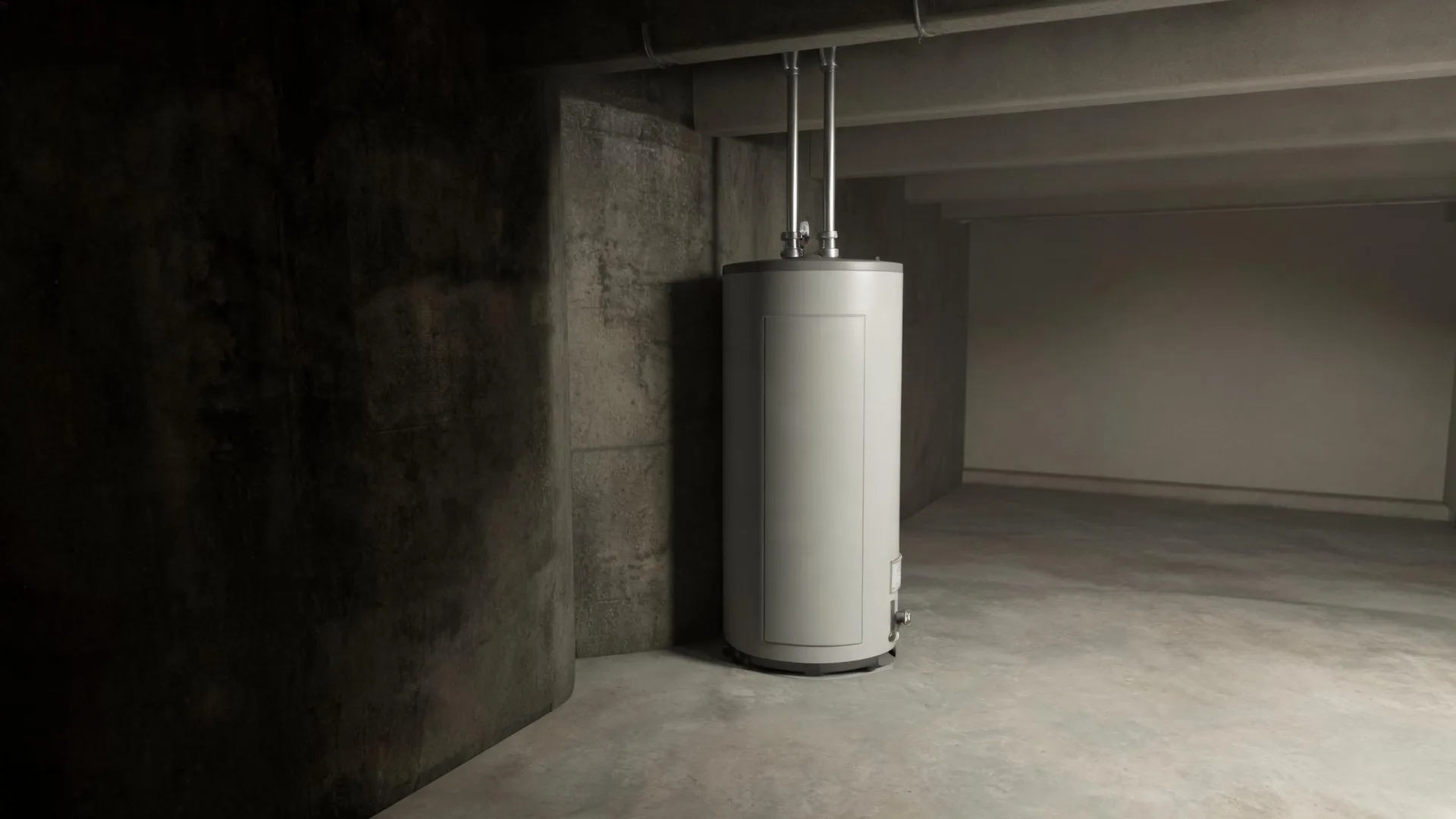
Replacing a water heater here starts with the fuel already in the house. Bottled, tank or LP gas heats more occupied homes in Oliver County, North Dakota than any other fuel, at 62.6% (2020-2024 ACS 5-year). With LP gas running the majority of homes, the venting path and combustion air arrangement are fixed constraints a contractor works around, and a unit that fits one configuration may not suit another. Flue sizing, draft hood clearance, and the location of the gas supply line all shape which models a licensed installer can set in place.
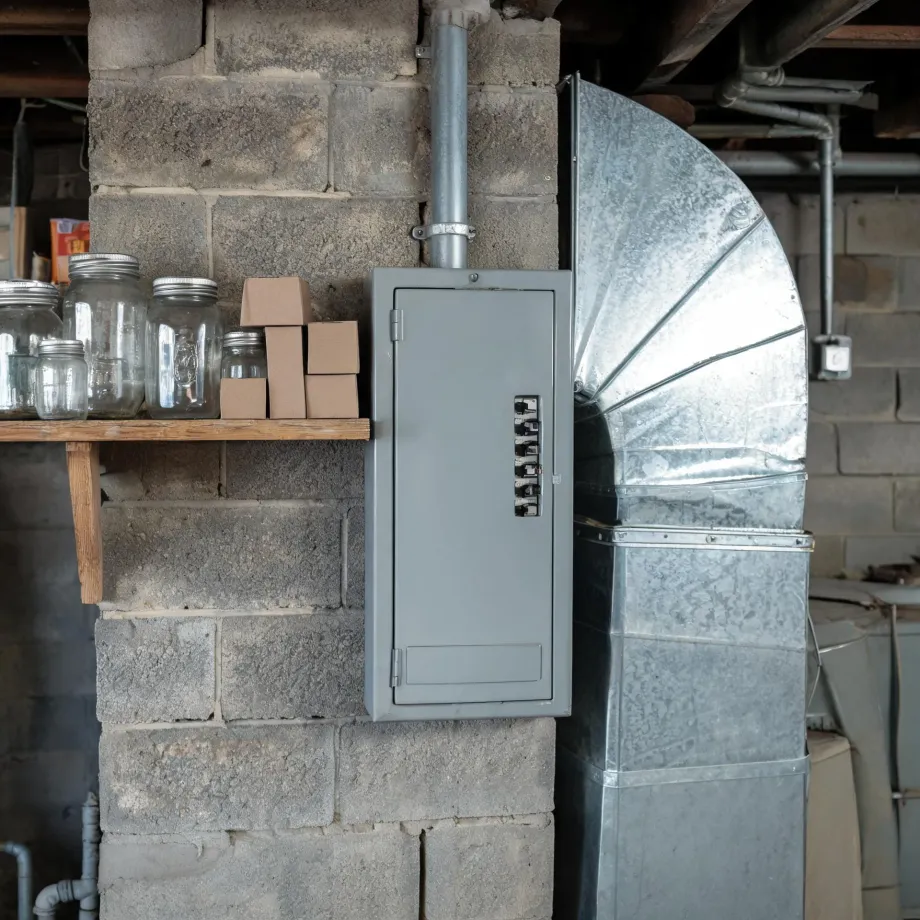
Ductwork laid down for an original system carries the decisions made by whoever built the house, and in stock this old those decisions were made for equipment that no longer exists. Half the homes in Oliver County, North Dakota were built in 1976 or earlier (2020-2024 ACS 5-year). A contractor sizing and placing a new water heater here has to work out what the existing runs will and will not carry, and where the electrical service stands relative to what a new unit draws. Those are the two questions that shape the job before anyone touches the equipment itself.
What a Water Heater Installation Covers
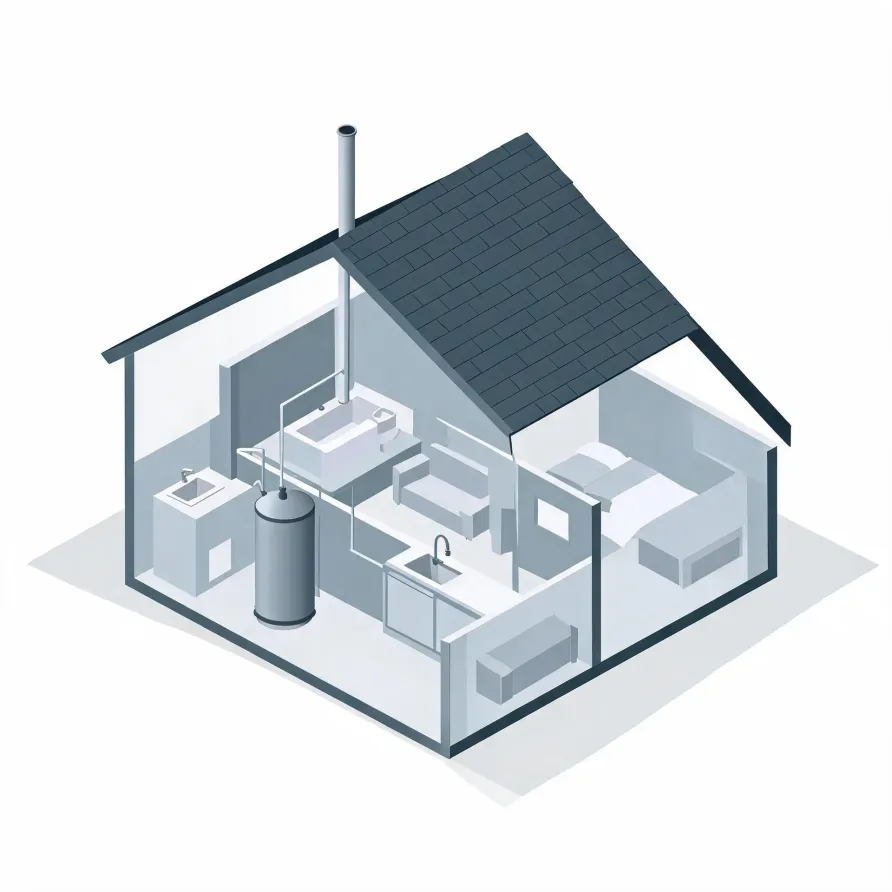
The tank or tankless unit is the centerpiece of the system. A storage-tank water heater sits in a utility room, basement, or closet and holds a reservoir of heated water ready for use. A tankless unit mounts to a wall and heats water only as it flows through.
Connecting to the unit are the cold-water supply line coming in and the hot-water distribution line going out. A pressure relief valve mounts directly on the unit as a safety device, and the flue or venting pipe runs from the unit to an exterior wall or roofline to carry exhaust gases out of the house.
The drawing shows a representative layout, and a licensed contractor determines what applies to this particular house.
Find a contractor in Oliver CountyOliver County, in figures
99 severe weather events were recorded in Oliver County, North Dakota between 2015 and 2024.
NOAA National Centers for Environmental Information, Storm Events Database, bulk CSV export, events 2015-01-01 through 2024-12-31.Half the homes in Oliver County, North Dakota were built in 1976 or earlier (2020-2024 ACS 5-year).
U.S. Census Bureau, 2020-2024 American Community Survey 5-Year EstimatesOliver County, North Dakota holds 893 housing units (2020-2024 ACS 5-year).
U.S. Census Bureau, 2020-2024 American Community Survey 5-Year EstimatesOwners occupy 95.2% of the occupied homes in Oliver County, North Dakota (2020-2024 ACS 5-year).
U.S. Census Bureau, 2020-2024 American Community Survey 5-Year EstimatesSevere Weather Events in Oliver County
North Dakota weather puts real demands on water heating equipment, and those demands vary by location. How hard a system has to work over its lifetime is a local question, and the record here is part of that answer.
99 severe weather events, 2015–2024. Source: NOAA National Centers for Environmental Information, Storm Events Database.