Tell us about the job
Takes about a minute. No obligation.
Bottled, tank or LP gas heats more occupied homes in Oliver County, North Dakota than any other fuel, at 62.6% (2020-2024 ACS 5-year). LP gas burns hotter and demands more from the burner assembly, the thermocouple, and the gas valve than other fuels do. A water heater running on LP cycles those parts hard every day, and when one fails, a contractor checks the thermocouple first because it is the component that takes the most direct heat and goes first. Venting also matters: LP combustion leaves deposits that electric or natural gas systems do not, and a partially blocked flue can look like a thermostat problem until the contractor pulls the vent apart.
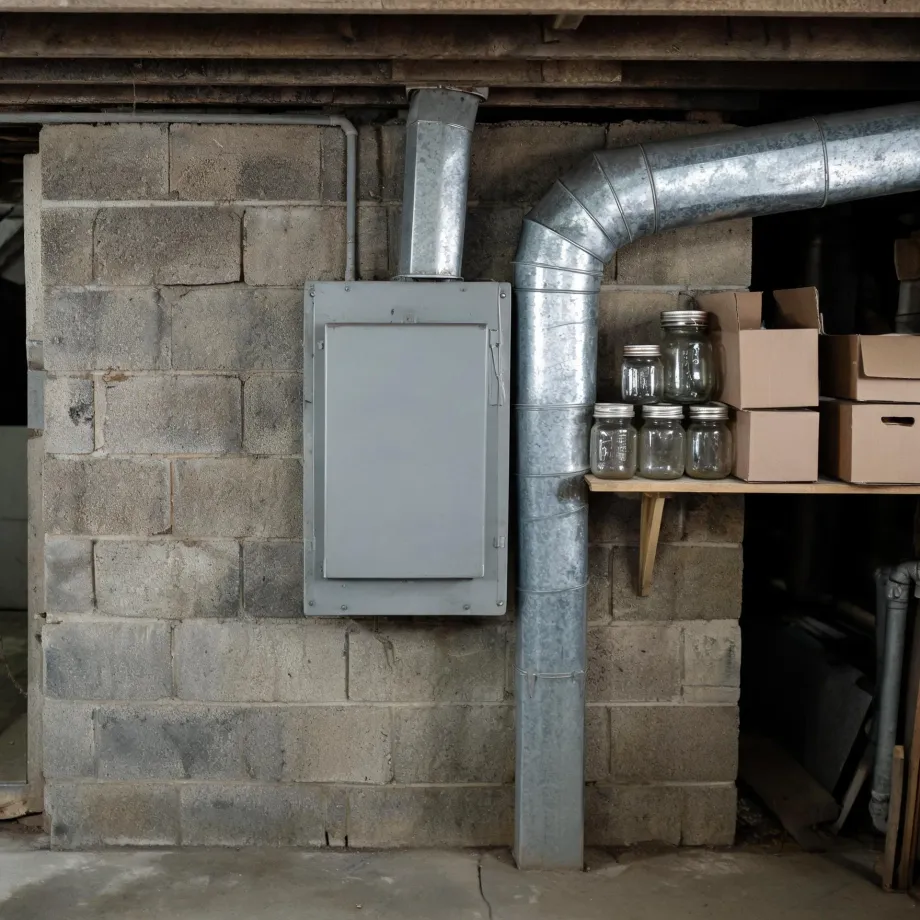
Plumbing that dates back to when the oldest houses here were new can carry mineral deposits into a replacement tank fast enough to shorten its working life. Half the homes in Oliver County, North Dakota were built in 1976 or earlier (2020-2024 ACS 5-year). A contractor opening a water heater in stock like this checks the supply lines and the cold inlet for scale before pricing the repair itself, because a corroded dip tube or a spent anode rod is sometimes the whole job, and sometimes it points to what the pipes have been delivering all along.
The Parts of a Water Heater a Contractor Checks During a Repair
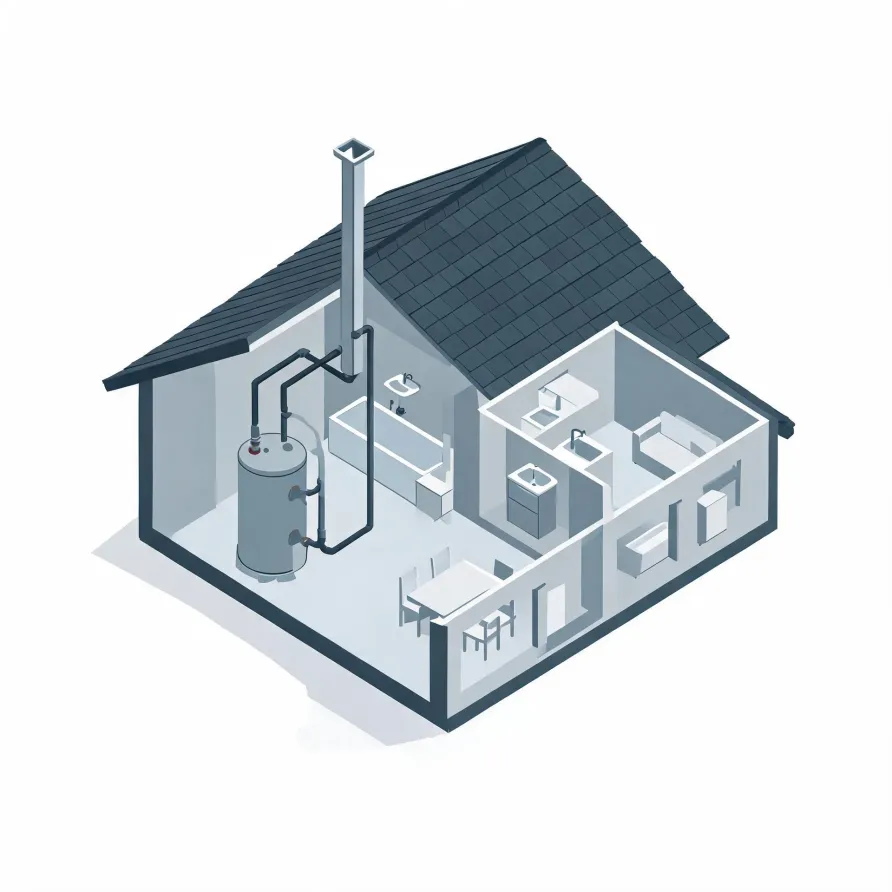
The tank is the core of the system, sitting in a utility room, basement, or closet, and its job is to hold and heat a supply of water ready for use. The burner assembly or heating element sits inside or beneath the tank and is where heat is actually produced. When hot water runs out fast, or water arrives discolored, these are the pieces a contractor looks at first.
The thermostat controls the temperature the tank holds, and a failed one sends water out too hot, too cold, or not at all. The pressure relief valve mounts on the tank's side as a safety device, and the anode rod runs inside the tank to slow corrosion. The dip tube carries cold water in, and its condition tells a contractor a good deal about what else may be wearing.
The drawing shows a typical water heater layout, and a licensed contractor determines which parts apply to the specific unit and setup in your home.
Find a contractor in Oliver CountyOliver County, North Dakota, by the numbers
99 severe weather events were recorded in Oliver County, North Dakota between 2015 and 2024.
NOAA National Centers for Environmental Information, Storm Events Database, bulk CSV export, events 2015-01-01 through 2024-12-31.Half the homes in Oliver County, North Dakota were built in 1976 or earlier (2020-2024 ACS 5-year).
U.S. Census Bureau, 2020-2024 American Community Survey 5-Year EstimatesOliver County, North Dakota holds 893 housing units (2020-2024 ACS 5-year).
U.S. Census Bureau, 2020-2024 American Community Survey 5-Year EstimatesOwners occupy 95.2% of the occupied homes in Oliver County, North Dakota (2020-2024 ACS 5-year).
U.S. Census Bureau, 2020-2024 American Community Survey 5-Year EstimatesSevere Weather Events in Oliver County
North Dakota weather puts real strain on water heaters, forcing equipment to work harder and fail sooner. How much strain depends on what the local record actually shows, which is why the data below is specific to this area.
99 severe weather events, 2015–2024. Source: NOAA National Centers for Environmental Information, Storm Events Database.