Tell us about the job
Takes about a minute. No obligation.
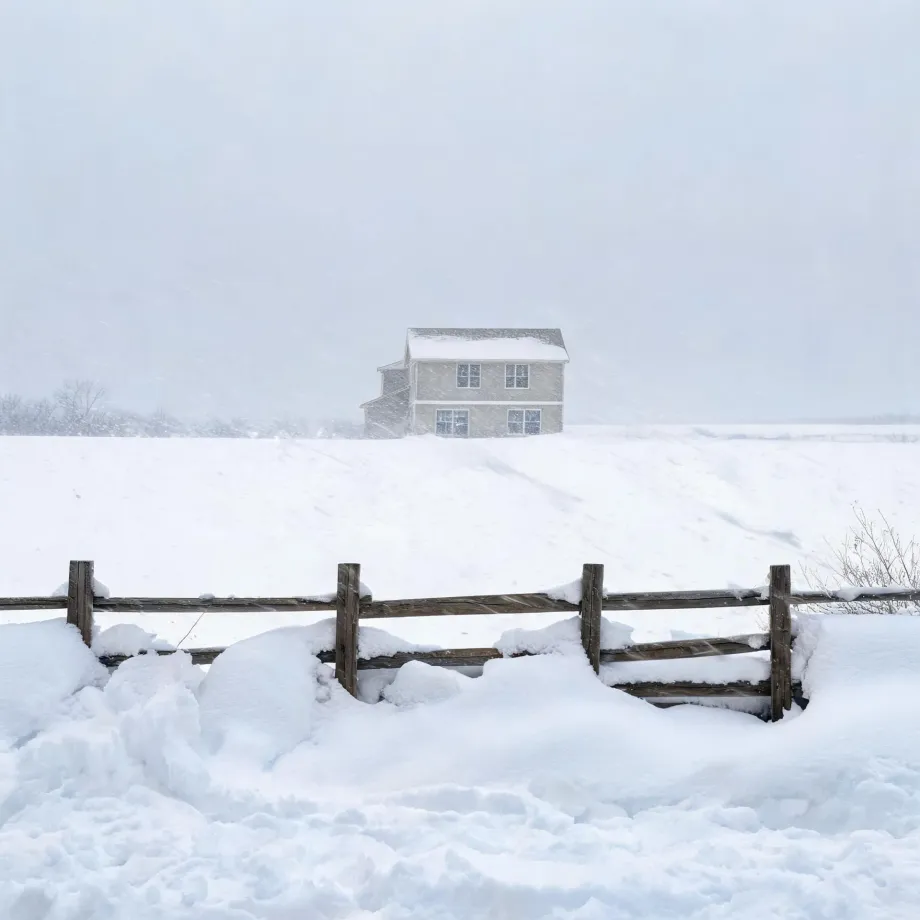
Gas-fired water heaters run every day of the year, and in a county where most homes depend on that fuel, the burner, thermocouple, and ignition components accumulate wear without the off-season that heating or cooling equipment gets. Utility gas heats more occupied homes in Stark County, North Dakota than any other fuel, at 51.4% (2020-2024 ACS 5-year). A contractor diagnosing a failing unit here checks the combustion side first: sediment in the tank, a degraded thermocouple, or a burner orifice that has fouled from years of continuous firing. Those are the parts that give out under sustained daily use, and they are what a quote in this area is built around.
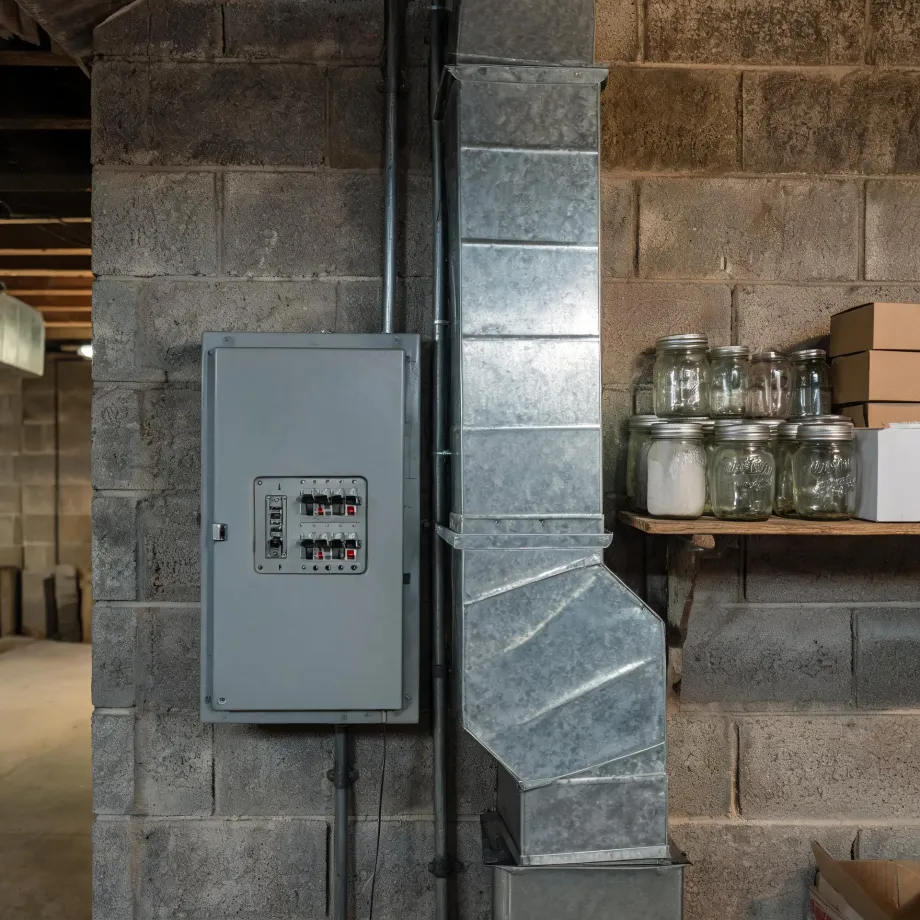
Sediment at the bottom of a tank and a spent anode rod are what a contractor finds when they open a water heater call in much of this county. Half the homes in Stark County, North Dakota were built in 1986 or earlier (2020-2024 ACS 5-year). That much history with hard groundwater loads tanks with mineral deposits that cut heating efficiency and shorten the life of the element or burner, and the surrounding plumbing reflects whatever was standard when the house was first piped. A contractor pulling a corroded anode rod here is also checking whether the shutoffs and supply lines around the unit are still sound enough to service.
The Parts of a Water Heater a Contractor Checks During Repair
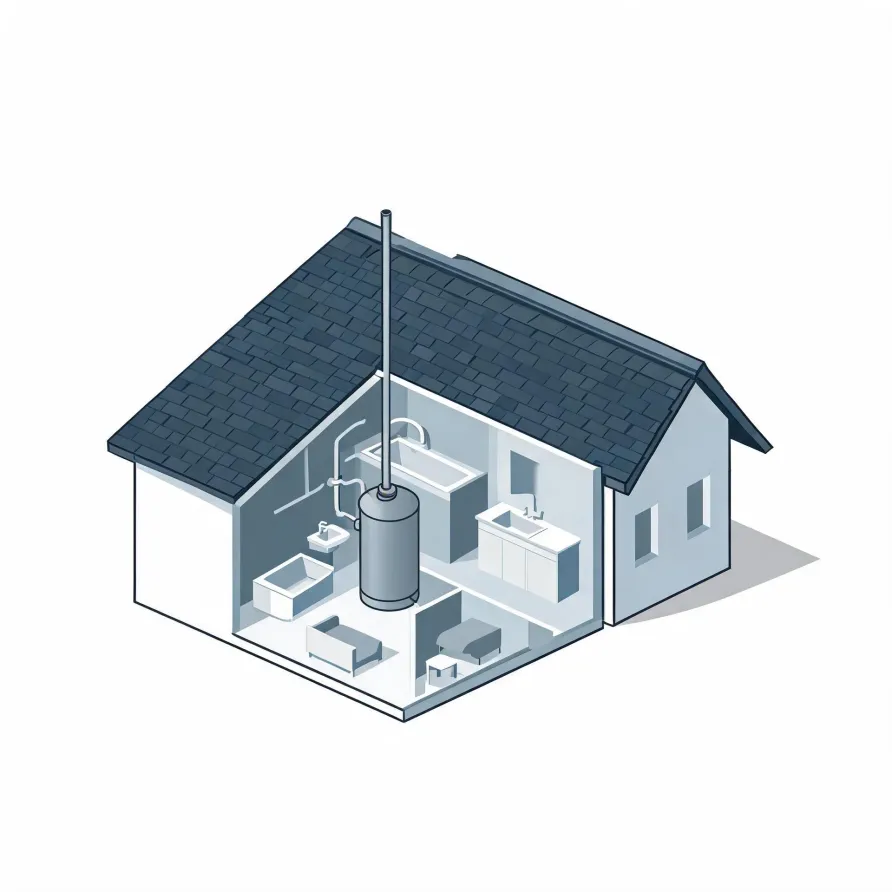
The tank is what most homeowners see, a large insulated cylinder that sits in a utility room, basement, or garage and holds the supply of heated water. The burner assembly or heating element sits at the base or inside the tank and is what actually raises the water temperature. When either one fails, the house gets cold water instead of hot.
The thermostat controls when the heating element or burner fires, and a faulty one is a common reason a tank runs too hot, too cold, or cycles without stopping. The pressure relief valve mounts on the tank's side and is a safety device that opens if pressure inside climbs too high. A contractor also checks the anode rod, which runs down through the interior and slows corrosion of the tank walls.
The drawing shows a typical layout, and a licensed contractor will determine which components apply to the specific unit in your home.
Find a contractor in Stark CountyStark County by the numbers
185 severe weather events were recorded in Stark County, North Dakota between 2015 and 2024.
NOAA National Centers for Environmental Information, Storm Events Database, bulk CSV export, events 2015-01-01 through 2024-12-31.Half the homes in Stark County, North Dakota were built in 1986 or earlier (2020-2024 ACS 5-year).
U.S. Census Bureau, 2020-2024 American Community Survey 5-Year EstimatesStark County, North Dakota holds 15,514 housing units (2020-2024 ACS 5-year).
U.S. Census Bureau, 2020-2024 American Community Survey 5-Year EstimatesOwners occupy 66.8% of the occupied homes in Stark County, North Dakota (2020-2024 ACS 5-year).
U.S. Census Bureau, 2020-2024 American Community Survey 5-Year EstimatesSevere Weather Events in Stark County
Stark County weather puts real stress on water heaters, pushing them hard through temperature swings and demand spikes that wear components faster than mild climates do. How often that stress hits is a local fact, and it shapes how often repair needs come up here.
185 severe weather events, 2015–2024. Source: NOAA National Centers for Environmental Information, Storm Events Database.