Tell us about the job
Takes about a minute. No obligation.
Before a contractor can quote a water heater installation in Mountrail County, the service panel has to be part of the conversation. Electricity heats more occupied homes in Mountrail County, North Dakota than any other fuel, at 43.9% (2020-2024 ACS 5-year). That share of electrically heated homes means many houses are already running heavy electrical loads, and a new electric water heater draws on the same panel. If the panel is undersized or the circuits are fully committed, the heater itself is the smaller problem. A contractor sizes the unit to the household's hot water demand and then confirms the electrical supply can support it.
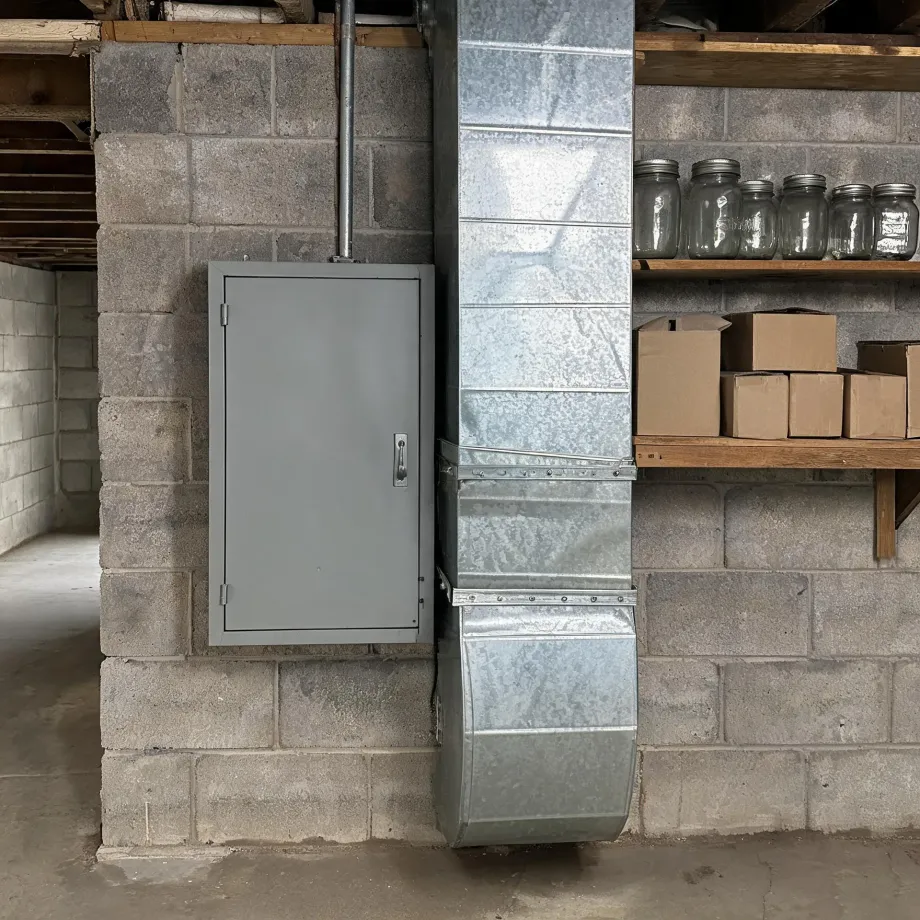
Older electrical panels are the variable a contractor prices a water heater installation around here, and the house itself surfaces that constraint before the equipment does. Half the homes in Mountrail County, North Dakota were built in 1997 or earlier (2020-2024 ACS 5-year). Stock built by that point was wired for loads that current water heaters exceed, and a service panel that was never updated to accommodate them becomes the first thing a contractor opens and reads. The water heater gets quoted after the electrical picture is clear.
What a Water Heater Installation Covers
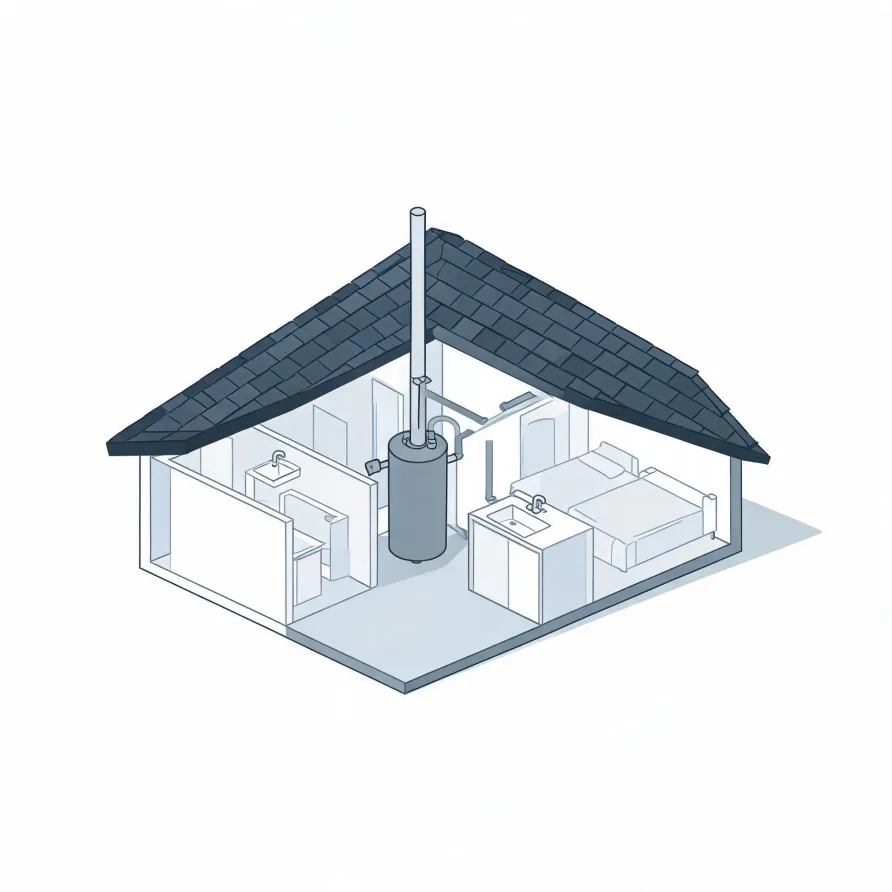
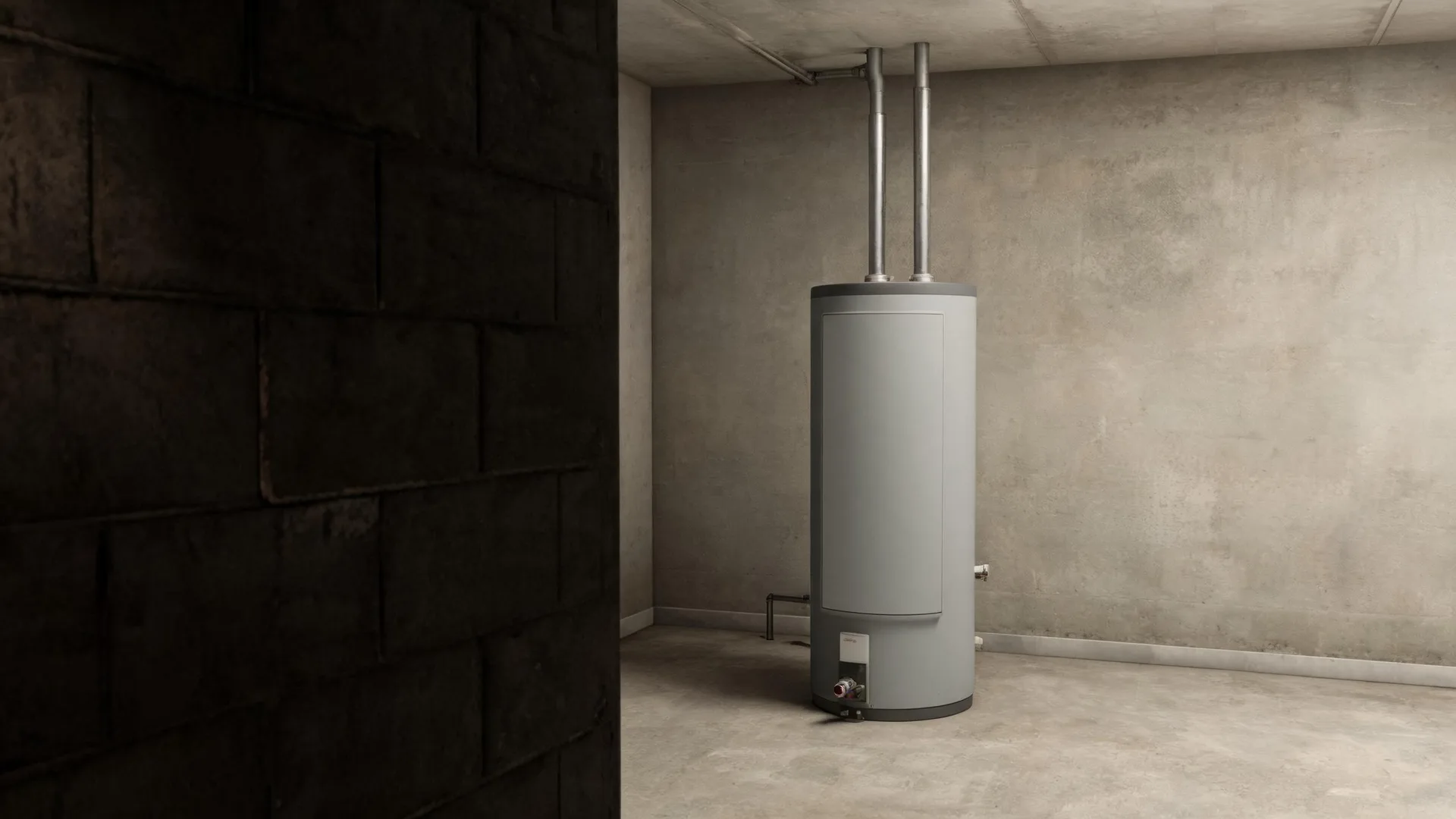
The tank or tankless unit is the piece a homeowner notices first, and it sits in a utility room, basement, or closet depending on the house. That unit holds or heats the water on demand. A pressure relief valve mounts directly to it as a safety device, and a dedicated supply line feeds cold water in while a separate line carries hot water out.
A flue or exhaust vent runs from the unit to an exterior wall or through the roof, giving combustion gases a path out of the house on gas-fired models. An expansion tank often mounts on the cold-water supply line nearby, absorbing pressure that builds as water heats.
The drawing shows a general layout, and a licensed contractor determines exactly what applies to your home.
Find a contractor in Mountrail CountyMountrail County, by the numbers
142 severe weather events were recorded in Mountrail County, North Dakota between 2015 and 2024.
NOAA National Centers for Environmental Information, Storm Events Database, bulk CSV export, events 2015-01-01 through 2024-12-31.Half the homes in Mountrail County, North Dakota were built in 1997 or earlier (2020-2024 ACS 5-year).
U.S. Census Bureau, 2020-2024 American Community Survey 5-Year EstimatesMountrail County, North Dakota holds 5,099 housing units (2020-2024 ACS 5-year).
U.S. Census Bureau, 2020-2024 American Community Survey 5-Year EstimatesOwners occupy 61.5% of the occupied homes in Mountrail County, North Dakota (2020-2024 ACS 5-year).
U.S. Census Bureau, 2020-2024 American Community Survey 5-Year EstimatesSevere Weather Events in Mountrail County
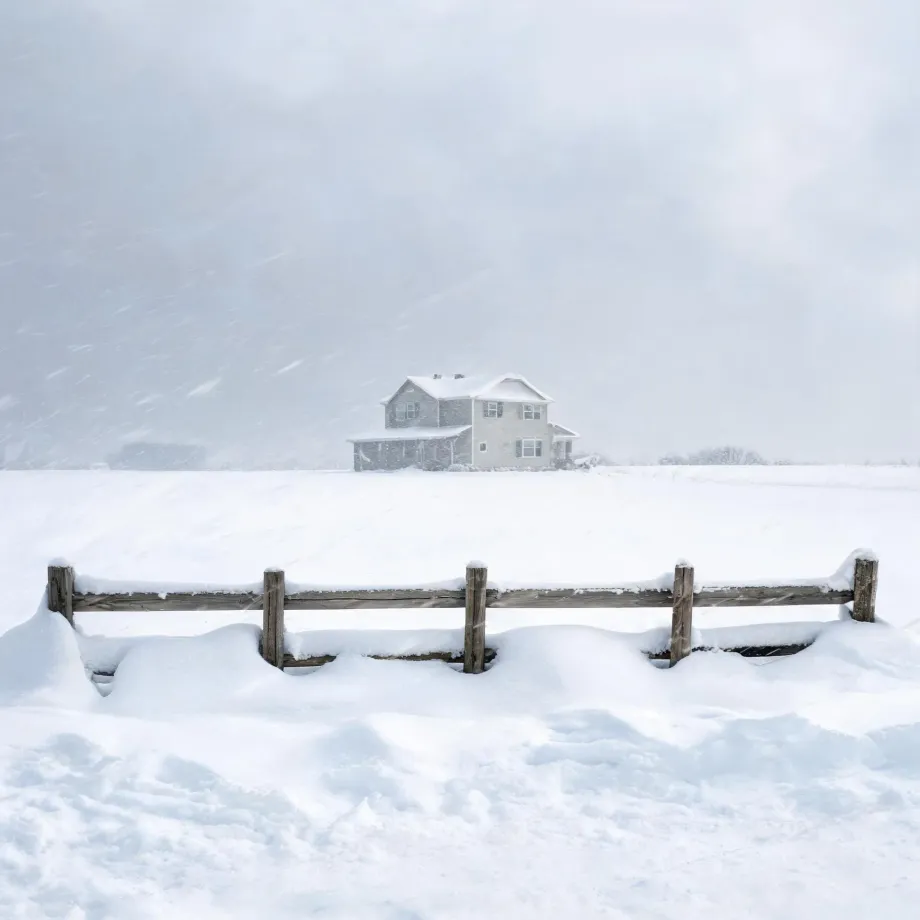
Extreme weather puts sustained demand on water heating equipment, and that demand shapes what a unit needs to handle over its working life. How often conditions turn severe here is a local fact that bears directly on the right installation for this area.
142 severe weather events, 2015–2024. Source: NOAA National Centers for Environmental Information, Storm Events Database.